
Companion Plants
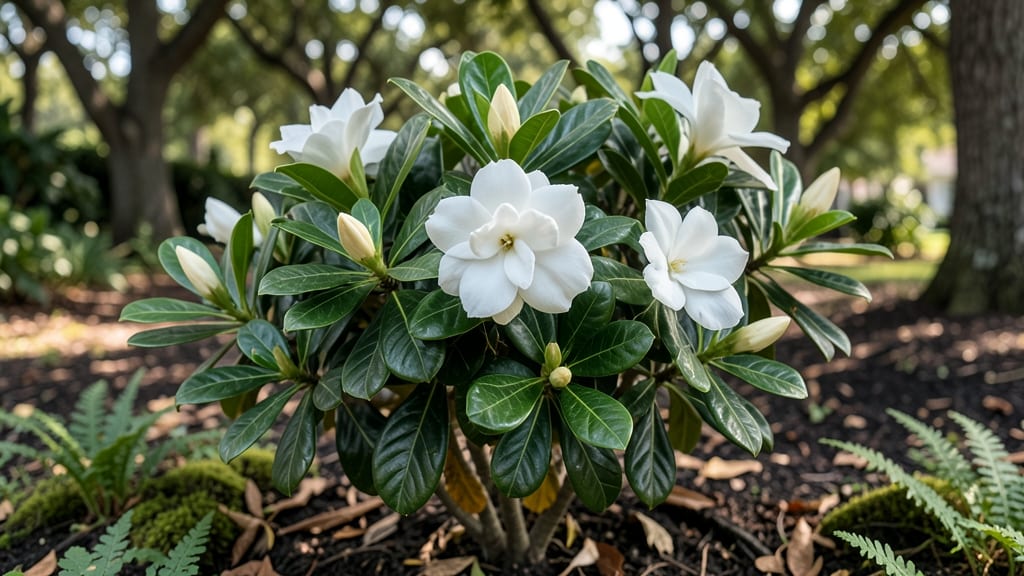
Gardenias smell exceptionally good, producing a rich, sweet, and creamy floral fragrance that many describe as intoxicating and luxurious, especially at dawn or dusk when their scent peaks. Their heavy, jasmine-like aroma makes them a favorite for perfumes and gardens alike, though some may find it overly strong or cloying in confined spaces.
Gardenias earn their reputation as nature's perfume—those creamy, velvety blooms release a scent so potent it can linger in the air for hours. 🌸 The secret lies in their chemical makeup, where compounds like linalool and benzyl acetate create that signature sweetness, often compared to vanilla and honey.
However, their fragrance isn't universally loved; some sensitive noses find it overwhelming, especially in small, enclosed spaces where the aroma can feel heavy. That said, gardenias shine outdoors or in well-ventilated areas, where their natural sweetness becomes a true garden highlight.
What makes their scent particularly magical is how it evolves throughout the day. While they're fragrant all day, their aroma reaches its peak intensity during the cooler hours of dawn and dusk—a phenomenon that makes them a prized addition to evening garden strolls.
This timing isn't just coincidence; gardenias naturally release more scent when temperatures drop and humidity rises, creating that signature "night-blooming jasmine" effect even though they're technically daytime flowers.
💡 In This Article
- The Science Behind Gardenia’s Intoxicating Scent
- How to Maximize Gardenia Fragrance in Your Garden
The science behind gardenia’s intoxicating scent
Gardenias produce their signature fragrance through a complex blend of volatile organic compounds (VOCs), with linalool and benzyl acetate playing starring roles. Linalool, found in over 200 plant species, delivers that sweet, floral note, while benzyl acetate contributes a fruity, jasmine-like depth.
These compounds are released through tiny pores in the flower petals, creating an aroma so rich it can be detected up to 10 feet away under ideal conditions. 🌸 The scent profile also includes trace amounts of geraniol (rose-like) and phenylethyl alcohol (honeyed), which together create that creamy, almost edible quality gardenias are famous for.
Environmental factors dramatically amplify their fragrance. Gardenias thrive in 60-80% humidity, which helps their scent molecules disperse more effectively through the air.
Temperature also matters—their aroma peaks at 65-75°F, which is why dawn and dusk (when temperatures drop) create that signature "night-blooming" effect, even though the flowers open during the day. In contrast, hot afternoons can make their scent mellow, while cold nights (50°F) may reduce fragrance intensity.
This explains why gardenias often smell strongest in coastal climates or humid regions like Florida and Hawaii.
When comparing gardenias to other fragrant flowers, their scent stands out for its heavy, creamy texture. Jasmine, for example, has a lighter, more powdery aroma with higher concentrations of indole, while tuberose offers a more powdery, almost soapy sweetness.
Gardenias' unique blend of compounds creates that signature "luxury" fragrance—so rich it's been used in high-end perfumes like Chanel No. 5 and Estée Lauder's Beautiful. The key difference?
Gardenias' scent lingers longer in the air due to their higher molecular weight compounds, making them ideal for outdoor gardens where their aroma can truly spread.
What most people don't realize is that gardenias' fragrance isn't just about the flowers—their leaves and stems also contain aromatic compounds, though in lower concentrations. This means even pruned gardenias can contribute subtle scent notes to the air.
However, the most fragrant blooms come from mature plants (typically 3-5 years old), as younger plants focus energy on growth rather than scent production. 💫 The science behind this is fascinating: as gardenias age, their metabolic processes shift to prioritize reproduction, which includes producing more fragrant flowers to attract pollinators.
For those who find gardenias' scent overwhelming, the issue often stems from concentration and space. In a small, enclosed room, their fragrance can feel cloying because the scent molecules have nowhere to disperse.
This is why gardenias work best in open gardens, near patios, or in large containers where air circulation prevents scent buildup. The solution? Plant them in well-ventilated areas or pair them with lighter-scented companions like gardenia and lilacs to balance the fragrance profile.
One surprising fact about gardenias' scent is how it evolves over time. Freshly opened blooms have a more citrusy, almost green note, while fully mature flowers develop that classic creamy sweetness.
This progression happens because the plant's metabolic processes change as the flower ages, shifting from producing volatile compounds for pollinator attraction to more stable, long-lasting fragrance molecules. 🌿 Understanding this helps explain why gardenias often smell "better" in the afternoon—after the initial citrusy notes have mellowed into that signature sweetness.