
Flowers
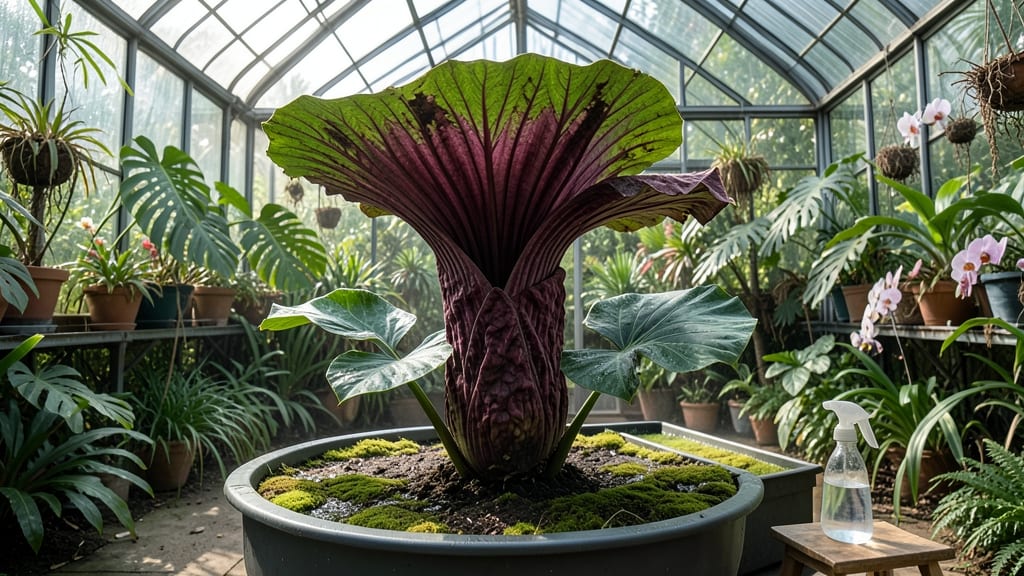
Visiting a corpse flower in botanic gardens means preparing for a fleeting spectacle—these plants bloom unpredictably every 7 to 10 years, with full bloom cycles lasting just 24 to 72 hours. Leading institutions like Longwood Gardens and New York Botanic Garden use advanced sensors and public alerts to notify visitors of exact bloom windows.
These rare blooms are nature's most dramatic events, triggered by a perfect storm of temperature, humidity, and root pressure. 🌿 Unlike annual flowers, corpse flowers (Amorphophallus titanum) conserve energy for years, then suddenly burst into bloom when conditions align.
Gardens monitor soil moisture and ambient warmth 24/7, but even their systems can't predict the exact moment with certainty. The scent—often compared to rotting meat—attracts pollinators during this brief window, making timing everything for visitors hoping to witness this phenomenon.
Once you've secured your visit through a garden's alert system, arrive early to avoid crowds and secure the best vantage points. 📸 Bring a tripod for photography, as the bloom's short duration means no second chances.
Pro tip: Visit during daylight hours when the flower's unique texture and color contrast most dramatically against its surroundings. Many gardens also host educational sessions during bloom events, offering behind-the-scenes insights into the plant's biology and conservation efforts.
💡 In This Article
- Why Corpse Flower Blooms Are So Unpredictable
- How to Plan a Visit for a Corpse Flower Bloom
Why corpse flower blooms are so unpredictable
The corpse flower's irregular blooming schedule is a masterclass in plant energy conservation. This carnivorous giant, Amorphophallus titanum, spends nearly its entire life storing energy in its massive underground corm—a structure that can weigh up to 150 pounds in mature plants.
The bloom only occurs when the corm accumulates enough energy to support the massive 7-foot-tall flower spike, which requires an intense burst of resources. 🌱
Three key factors trigger this rare event: soil temperature must reach 75-85°F, humidity needs to stay above 70%, and the corm must build sufficient root pressure—often taking 7-10 years of growth.
Gardens like Longwood use soil moisture sensors and temperature probes placed 12 inches deep to monitor these conditions 24/7. However, even with perfect data, the bloom can still surprise staff, as the final trigger appears to be an internal biological clock within the corm itself.
The plant's dramatic scent—often described as a mix of rotting meat, gym socks, and ammonia—isn't just for shock value. This cadaveric aroma attracts carrion flies and beetles, its primary pollinators, during the brief 24-72 hour window when the flower is receptive.
The scent is strongest at night when these insects are most active, creating a biological arms race between the plant's energy output and its need to attract pollinators before the bloom wilts.
What makes this even more fascinating is the plant's post-bloom collapse. After pollination, the massive flower wilts within days, and the corm begins a new decade-long energy storage cycle.
This extreme conservation strategy explains why even well-cared-for corpse flowers in botanic gardens can't be forced to bloom—they simply need to reach their own internal threshold, which varies by individual plant and environmental conditions.
Gardens have developed sophisticated alert systems to notify visitors when conditions approach the bloom window. For example, Longwood Gardens sends out text alerts when soil temperatures hit 78°F for three consecutive days—a strong indicator the plant may bloom within weeks.
Yet even these systems can't guarantee timing, as the final trigger remains an internal biological mystery. This unpredictability is what makes each corpse flower bloom a once-in-a-lifetime event for most visitors.
The plant's energy conservation strategy also explains why corpse flowers are so rare in the wild. In their native Sumatra and Borneo habitats, they face additional challenges like monsoon seasons and wildlife predation on the corms.
Botanic gardens provide the controlled environment needed for these plants to reach maturity and eventually bloom, making institutions like New York Botanic Garden and Longwood Gardens the best places to witness this natural phenomenon. 🌿