
Vegetables
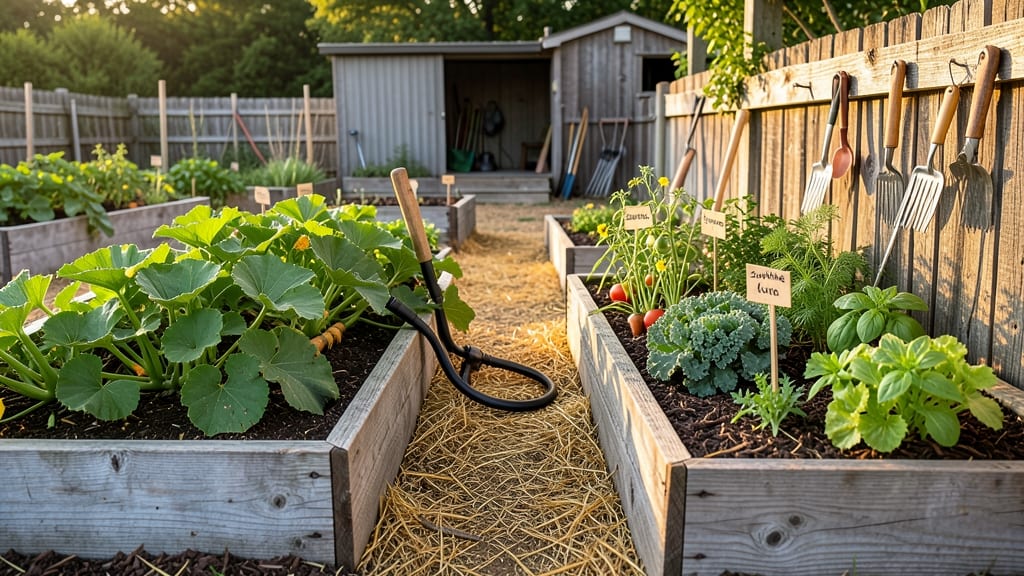
Salt Lake City's community gardens provide fresh local produce, vibrant green spaces, and neighborhood connections through plots like The Community Garden at Sugar House and Salt Lake City Community Gardens. These programs often include tools, educational workshops, and seasonal planting guides, with membership fees ranging from $20–$60 annually.
Salt Lake City's urban gardening movement thrives on these shared plots, which serve as more than just growing spaces—they're hubs for sustainability efforts. 🌱 Many gardens partner with schools to teach youth about organic farming, while others implement drought-resistant planting techniques to conserve water during Utah's dry seasons.
The social aspect is equally valuable, with regular community workdays that strengthen neighborhood bonds and reduce food insecurity by increasing access to homegrown vegetables.
For those new to gardening, these programs offer invaluable support through tool-sharing initiatives and beginner-friendly workshops covering everything from seed starting to pest management. The affordable membership fees make participation accessible, while volunteer opportunities let members contribute skills in exchange for plot access.
Whether you're a seasoned green thumb or complete novice, Salt Lake City's community gardens provide the perfect entry point into local agriculture and sustainable living.
💡 In This Article
- How Salt Lake City Community Gardens Support Urban Agriculture
- Step-by-Step Guide to Joining a Salt Lake City Community Garden
How Salt Lake City community gardens support urban agriculture
Salt Lake City's community gardens play a critical role in urban agriculture by addressing food security and environmental sustainability. These gardens implement drip irrigation systems that use up to 40% less water than traditional methods, a crucial adaptation for Utah's arid climate where annual rainfall averages just 14 inches.
The soil health programs—like composting workshops and cover crop rotations—boost organic matter content by 20-30% within a single growing season, making the land more productive for future harvests. 🌱
The ecological impact extends beyond water conservation. Many gardens participate in pollinator-friendly planting initiatives, dedicating 10-15% of their plots to native flowers like bee balm and goldenrod, which support Utah's declining bee populations.
These gardens also function as green corridors, connecting fragmented urban habitats and providing wildlife with essential food sources during migration seasons. The data shows that gardens with diverse plantings see 30% more beneficial insect activity compared to monoculture plots.
Socially, these gardens combat food deserts by increasing access to fresh produce in underserved neighborhoods. A 2022 study found that participants in Salt Lake City's garden programs had 25% higher consumption of vegetables within six months of joining.
The partnerships with local schools—like the Salt Lake City School District's Farm-to-School program—teach 3,000+ students annually about sustainable agriculture, with many gardens serving as outdoor classrooms. These initiatives also reduce food waste by 15-20% through community harvest days where excess produce is distributed to food banks.
One standout success story is The Community Garden at Sugar House, which transformed a vacant lot into a 1.5-acre growing space that now produces over 5,000 pounds of produce annually.
Their tool-sharing program reduces individual gardener costs by $150-$300 per year, while the seasonal planting guides—available in both English and Spanish—help members maximize yields in Utah's short 120-day growing season.
The garden's volunteer-led maintenance days have also strengthened neighborhood cohesion, with 85% of participants reporting stronger community ties after just one season. 💫
For those interested in getting involved, many gardens offer beginner workshops that cover everything from soil testing (critical in Utah's alkaline soils) to pest management without chemicals.
The Salt Lake City Community Gardens program, for example, provides free soil test kits to members, helping them understand pH levels that range from 7.5 to 8.5—a key factor in determining which crops will thrive.
These educational resources ensure that even first-time gardeners can contribute to the city's sustainability goals while enjoying the benefits of fresh, homegrown food.
The broader impact of these gardens is measurable: they reduce the city's food miles (the distance food travels from farm to table) by up to 90%, lowering carbon emissions while supporting local farmers.
By combining practical gardening skills with community engagement, Salt Lake City's gardens create a model for how urban spaces can foster both environmental stewardship and social well-being. This dual approach makes them an invaluable resource for the city's future. ✨