
How To
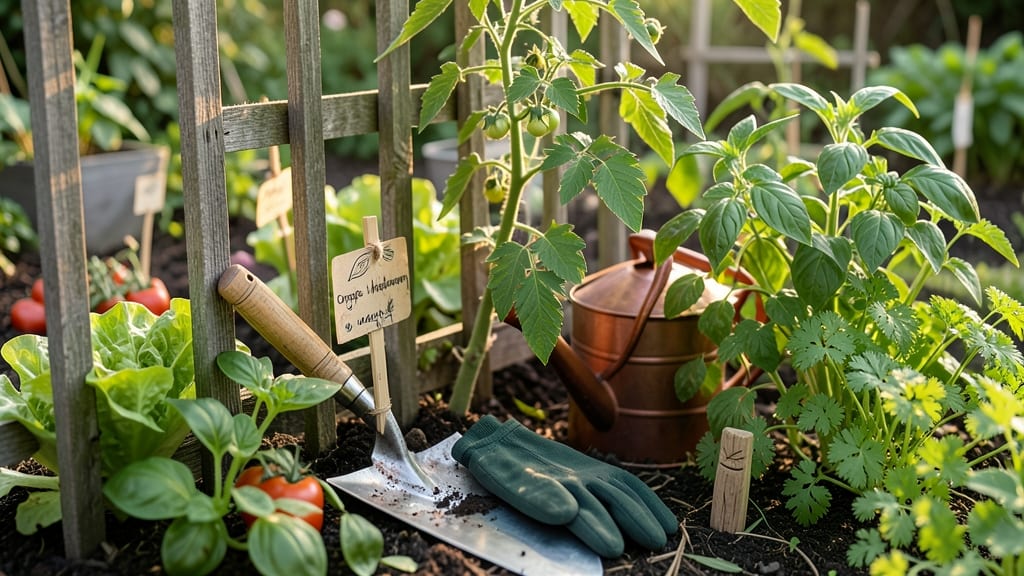
To grow a garden successfully, start by picking a sunny location, enriching the soil with compost, planting easy-to-grow crops like lettuce or marigolds, and keeping the soil consistently moist. Begin with a small plot, consider raised beds for better control, and shield young plants from pests for the best chance at thriving growth.
Garden success hinges on smart planning and simple routines. 🌱 First, test your soil’s pH—most vegetables thrive in slightly acidic to neutral conditions (6.0-7.0)—and amend it with compost if needed. I always recommend starting with hardy annuals like lettuce or marigolds, as they forgive beginner mistakes better than delicate perennials.
The key to fast growth is consistency: water deeply in the morning to avoid fungal issues, and mulch around plants to retain moisture and deter weeds. For pests, a mix of neem oil spray and row covers works wonders without harsh chemicals.
Don’t forget to match your plants to your climate zone—this makes all the difference in how quickly they establish. For example, cool-season crops like spinach grow best when planted in early spring or fall, while heat-loving tomatoes need warmer soil to sprout.
If you’re unsure, local nurseries often provide free soil tests and plant recommendations tailored to your area. The first few weeks are critical, so check your garden daily for signs of stress like yellowing leaves or wilting—these are your cues to adjust watering or sun exposure.
💡 In This Article
- Essential Soil and Plant Selection for Beginner Gardens
- Week-by-Week Garden Maintenance Schedule for Fast Growth
Essential soil and plant selection for beginner gardens
Soil quality is the foundation of any thriving garden—it directly impacts plant health, growth speed, and yield. Healthy soil contains a mix of organic matter (like compost), minerals, and beneficial microbes that help roots absorb water and nutrients.
For beginners, I recommend testing your soil’s pH using a simple kit (available for $10-$15 at garden centers). Most vegetables prefer a slightly acidic to neutral range of 6.0-7.0, while blueberries thrive in 4.5-5.5.
If your soil is too alkaline, adding sulfur or peat moss can lower the pH gradually over 2-3 months. 🌱
Drainage is just as critical as pH—waterlogged soil starves roots of oxygen, leading to rot. To test drainage, dig a 12-inch-deep hole and fill it with water. If it drains within 4-6 hours, your soil is well-suited for most plants.
For heavy clay soil, mix in 2-3 inches of compost or use raised beds filled with a 60/40 mix of topsoil and compost. This improves aeration while retaining moisture, which is especially helpful in hot climates where evaporation is rapid.
Plant selection should align with your climate and sunlight conditions. Begin with "foolproof" annuals like lettuce (which grows in 30-50 days and tolerates partial shade), marigolds (pest-repelling and drought-resistant), or radishes (ready in 25 days). These plants forgive beginner mistakes like inconsistent watering better than finicky varieties.
For your hardiness zone, check the USDA Plant Hardiness Zone Map—most beginner-friendly crops thrive in zones 5-9. For example, zucchini plants mature in 45-55 days but need full sun (6+ hours daily), while kale grows well in cooler zones (3-10) with 4-6 hours of sun.
Sunlight needs vary dramatically between plants, so group them by requirements. Leafy greens like spinach and Swiss chard can handle 3-4 hours of sun, while tomatoes and peppers demand 6-8 hours to produce fruit.
A simple trick: Observe your garden space for 2-3 days to track sunlight patterns—south-facing areas get the most light, while north sides may stay shady. If your space is limited, prioritize vertical growers like pole beans or trellised cucumbers to maximize yield in small areas.
Seasonal timing matters too. Cool-season crops (like peas or broccoli) should be planted 4-6 weeks before your last frost date, while warm-season plants (tomatoes, peppers) go in 2 weeks after frost. Check your local frost dates online or ask at a nursery—they’ll provide exact timing for your region.
For example, in zone 7, tomatoes planted in late May avoid frost damage and produce faster than those sown in April. 🌿
Finally, consider companion planting to naturally deter pests and boost growth. Pairing basil with tomatoes improves flavor and repels mosquitoes, while carrots and onions planted together confuse carrot flies.
This reduces the need for chemical interventions and creates a more resilient garden ecosystem. Start with these pairings, and you’ll see fewer pests and healthier plants from day one.