
Container Gardens
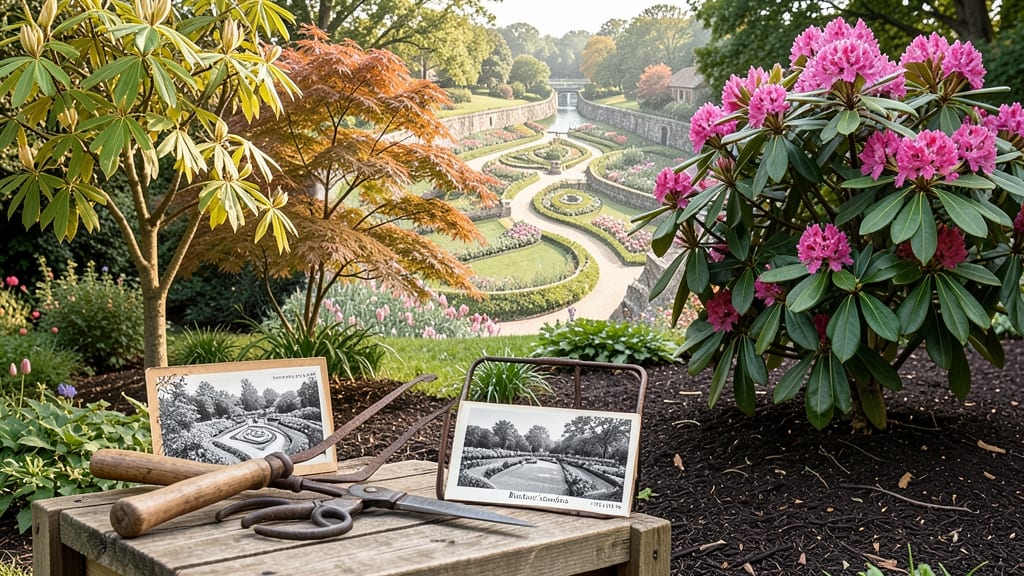
The history of Butchart Gardens traces back to 1904 when a limestone quarry waste pile was creatively repurposed by Jennie Butchart into a breathtaking floral landscape, eventually becoming Canada’s most celebrated botanical garden through decades of innovative horticulture.
What makes Butchart Gardens' story so remarkable is how Jennie Butchart turned an industrial eyesore into a natural masterpiece. 🌿 The limestone waste, initially considered useless, became the foundation for the Sunken Garden—a design so revolutionary it set the standard for modern botanical landscapes.
Over the years, the gardens expanded to include themed areas like the Japanese Garden and Rose Garden, each reflecting Jennie's passion for blending art with nature.
Today, Butchart Gardens attracts over a million visitors annually, thanks to its rich history and ongoing conservation efforts. The transformation from a coal mine byproduct to a global landmark showcases how visionary thinking can turn challenges into beauty.
💡 In This Article
- From Waste to Wonder: The Science Behind Butchart Gardens’ Transformation
- Key Historical Landmarks in Butchart Gardens’ Evolution
From waste to Wonder: the science behind Butchart gardens’ transformation
The limestone waste pile that became Butchart Gardens started as a byproduct of the local coal mining industry. When limestone was quarried for cement production, it left behind a mix of calcium carbonate, clay, and other minerals that were considered useless.
Jennie Butchart recognized this material's potential—its alkaline nature (pH 8-9) could neutralize acidic soils, while its coarse texture improved drainage. 🌱 The key was repurposing what others discarded, creating a foundation that would support vibrant plant life where none had grown before.
Jennie's innovative approach involved layering the limestone waste with organic matter like compost and peat moss to create nutrient-rich soil. This early form of soil enrichment mimicked hydroponic principles by maximizing water retention while preventing compaction.
The Sunken Garden's terraced design, completed in 1904, used these principles to create a self-sustaining ecosystem where water cascaded through layers of limestone, naturally filtering and distributing nutrients to plants below. This system remains one of the most efficient drainage solutions in botanical gardens today.
The transformation wasn't just about soil science—it was about hydrodynamics. The gardens' original design incorporated a network of underground channels that directed water flow, preventing erosion while creating the dramatic waterfalls that became the Sunken Garden's signature feature.
Jennie understood that water management was crucial; the limestone's porosity allowed excess moisture to drain while retaining enough humidity for delicate flowers. This balance explains why the Sunken Garden's rhododendrons and azaleas thrive even in British Columbia's rainy climate.
What makes this transformation even more impressive is how Jennie adapted traditional horticultural techniques to work with industrial waste. For example, she used the limestone's natural alkalinity to grow acid-loving plants by carefully blending it with acidic peat.
The result was a soil medium that could support both acidophilic plants (like blueberries) and calciphiles (like lavender) in the same garden—a feat that required precise pH management. This dual-purpose approach became a hallmark of Butchart Gardens' design philosophy.
Another critical factor was the gardens' microclimate engineering. By strategically placing dense plantings on the north side of structures, Jennie created windbreaks that protected delicate species while maintaining airflow to prevent fungal diseases.
The limestone's thermal mass also helped regulate temperatures, keeping roots cooler in summer and warmer in winter—a natural insulation system that reduced the need for artificial climate control. These engineering principles are why the gardens maintain their beauty year-round, even in Victoria's mild but unpredictable climate.
Jennie's vision extended beyond practical solutions to artistic expression. She selected plants not just for their hardiness but for their seasonal color palettes, creating a living canvas that changed with each month.
The limestone's reflective quality when wet enhanced this effect, turning the gardens into a shimmering spectacle during rainy seasons—a feature that became one of its most celebrated attributes. This blend of science and art is what elevated Butchart Gardens from a clever repurposing project to a world-renowned botanical masterpiece.