
Container Gardens
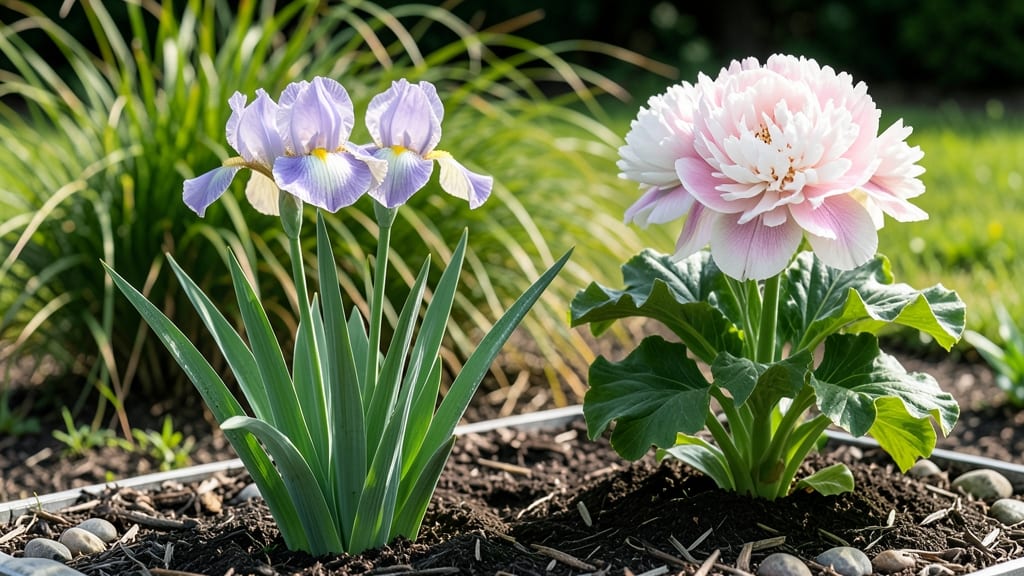
Botanical gardens in Portsmouth NH provide tranquil retreats featuring expertly curated plant displays, seasonal blooms, and historic charm through spaces like the Strawbery Banke Museum Gardens and Prescott Park’s botanical collections. Visitors can enjoy native plant exhibits, themed gardens, and accessible trails throughout the year.
Portsmouth's botanical gardens stand out for their blend of natural beauty and historical significance. 🌿 The Strawbery Banke Museum Gardens transport visitors back in time with heirloom plants and colonial-era landscapes, while Prescott Park's botanical exhibits highlight New England's native flora.
Each season reveals new highlights—spring's azaleas, summer's pollinator gardens, and autumn's vibrant foliage—making every visit feel fresh. These gardens also prioritize accessibility, with paved paths and family-friendly activities that welcome visitors of all ages.
What makes these spaces particularly special is their ability to educate while delighting. Many exhibits focus on sustainable gardening practices and native plant conservation, offering practical tips for home gardeners.
The rose collections at Prescott Park, for instance, showcase over 50 varieties, while Strawbery Banke's herb garden demonstrates traditional medicinal uses. Whether you're seeking inspiration for your own garden or simply a peaceful outdoor experience, Portsmouth's botanical gardens deliver year-round charm.
💡 In This Article
- Exploring Portsmouth’s Best Botanical Gardens by Season
- Hidden Features of Portsmouth’s Botanical Gardens Worth Visiting
Exploring Portsmouth’s best botanical gardens by season
Portsmouth's botanical gardens transform with each season, offering distinct experiences tied to natural cycles. In spring, the focus shifts to early bloomers like daffodils and magnolias, which typically peak between late April and early May.
Strawbery Banke's colonial gardens feature heirloom varieties that bloom 2-3 weeks earlier than modern hybrids, creating a nostalgic atmosphere. The scent of 200+ azalea bushes at Prescott Park—culminating in late May—draws pollinators like hummingbirds and bees, making it a prime time for wildlife observation. 🌸
The summer season (June-August) highlights Portsmouth's commitment to pollinator-friendly gardens, where native plants like bee balm and purple coneflower thrive. Prescott Park's 1-acre pollinator meadow contains 30+ plant species specifically chosen for their nectar production, supporting over 50 butterfly species documented annually.
Visitors can participate in guided "bug hunts" where they use magnifying glasses to identify caterpillars and larvae hidden among the foliage. The garden's drip irrigation system maintains consistent moisture, crucial for these delicate ecosystems.
Autumn brings foliage displays that rival Vermont's famous landscapes, with Strawbery Banke's Japanese maples turning fiery red by early October. The 1.5-mile loop trail winds through 17th-century gardens where smoke bushes and sumac trees create dramatic color contrasts.
What's often overlooked is the harvest festival held in late September, featuring apple pressing demos using historic equipment and herb walks led by horticulturists who explain medicinal properties of plants like echinacea and chamomile. 🍂
Winter reveals the gardens' evergreen collections, particularly at Prescott Park where 40+ conifer varieties maintain year-round interest. The holly collection—with 12 species including rare Chinese inkberry holly—creates striking textures against snow.
Strawbery Banke's winter garden features boxwood topiaries shaped like historic Portsmouth ships, while heated benches provide comfort during December tours that explain how colonial families preserved herbs through winter. The snowdrop festivals in February mark one of the earliest blooms, with 500+ bulbs planted in protected microclimates.
What makes these seasonal changes particularly engaging is how each garden adapts its water management. Prescott Park uses rainwater collection systems to maintain summer blooms during droughts, while Strawbery Banke's swales and berms prevent erosion during heavy spring rains.
Visitors can observe these systems in action during monthly "Garden Science" workshops that explain how soil pH levels (typically 6.0-7.0) affect plant growth. The gardens also rotate 20% of their plantings annually to prevent soil depletion, ensuring vibrant displays year after year.
For those planning visits, timing matters—weekday mornings offer cooler temperatures (ideal for spring blooms) and fewer crowds. Summer evenings (after 6:30 PM) provide gentler sunlight for photography, while winter visits benefit from weekday afternoons when maintenance crews prepare for holiday displays.
Each season's 3-hour guided tours include seasonal tasting stations featuring edible plants like apple varieties in autumn or citrus garnishes in winter.