
Container Gardens
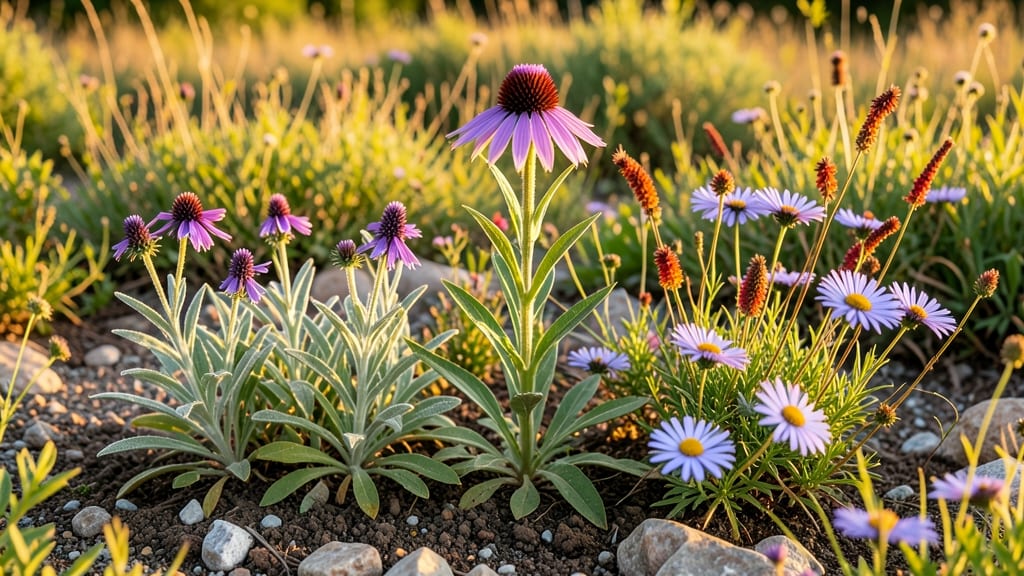
Visiting Ogden’s Botanical Gardens lets you explore stunning plant collections, from rare Utah desert species to themed garden displays, along peaceful walking paths perfect for nature lovers and photographers. The gardens offer seasonal blooms and free admission on select days, with hours that change throughout the year.
Ogden’s Botanical Gardens stand out for their carefully designed plant displays that showcase both native and exotic species. 🌿 The gardens serve as a living classroom, where visitors can learn about Utah’s unique ecosystems while enjoying vibrant seasonal blooms.
Whether you're a plant enthusiast or just looking for a peaceful outdoor escape, the variety of trails and themed sections—like the desert flora collection—make it a must-visit destination. The free admission days are particularly popular, offering an accessible way to experience the beauty of these curated landscapes.
For the best experience, plan your visit during spring for wildflower displays or autumn for striking foliage colors. The gardens also feature photography-friendly spots, making them ideal for capturing stunning nature shots. Don’t forget to check the seasonal hours, as they can vary significantly between summer and winter months.
💡 In This Article
- Exploring Ogden Botanical Gardens’ Unique Plant Collections
- Best Times and Tips for Visiting Ogden Botanical Gardens
Exploring Ogden botanical gardens’ unique plant collections
The gardens' plant collections are carefully curated to reflect Utah's diverse ecosystems, with a strong focus on native species that thrive in the region's unique climate. 🌵 One standout feature is the desert flora section, which showcases over 150 species adapted to survive with minimal water—some requiring less than 0.5 inches of rain annually.
These plants use specialized adaptations like deep root systems (reaching 10-20 feet underground) and waxy coatings to conserve moisture, demonstrating nature's remarkable efficiency in harsh environments.
Seasonal blooms transform the gardens into vibrant canvases, with spring bringing wildflowers like Utah's state flower, the Sego lily, and autumn showcasing fiery maple and aspen foliage.
The microclimates created by the gardens' elevation changes (ranging from 4,200 to 4,800 feet) allow for both desert and alpine species to coexist—something you won't find in most botanical gardens.
This careful climate management creates ideal conditions for rare plants like the Utah agave, which typically requires 60-70°F daytime temperatures and 40-50°F nights to thrive.
Conservation efforts are woven into the gardens' design, with several endangered species being propagated for reintroduction.
The Utah prairie dog habitat demonstrates how plant selection can support local wildlife, while the pollinator garden features over 50 species of native plants that provide nectar for bees and butterflies—critical for Utah's 1,200+ bee species.
These conservation-focused displays make the gardens not just beautiful, but educational about Utah's ecological challenges and solutions.
What makes Ogden's collections particularly fascinating is their combination of scientific rigor and sensory appeal. The aromatic garden features plants like Utah juniper and mountain mint, whose fragrances change with temperature and humidity—something you can experience firsthand as you walk through.
The gardens also incorporate textural contrasts, from the velvety leaves of the Utah serviceberry to the spiky stems of the desert holly, creating an immersive sensory experience that goes beyond visual appeal.
For plant enthusiasts, the gardens offer seasonal plant sales where you can purchase native species to grow at home. These plants are selected for their drought tolerance and ability to thrive in Utah's arid conditions, making them perfect for container gardens or xeriscaping projects.
The knowledgeable staff can help identify plants and share growing tips tailored to your local climate zone.
Themed garden sections provide deeper educational experiences. The medicinal plant garden highlights Utah's historical uses of native flora, while the children's garden features interactive elements that teach young visitors about plant life cycles.
These educational components make the gardens valuable resources for schools and families looking to connect with nature in a meaningful way.