
Watering
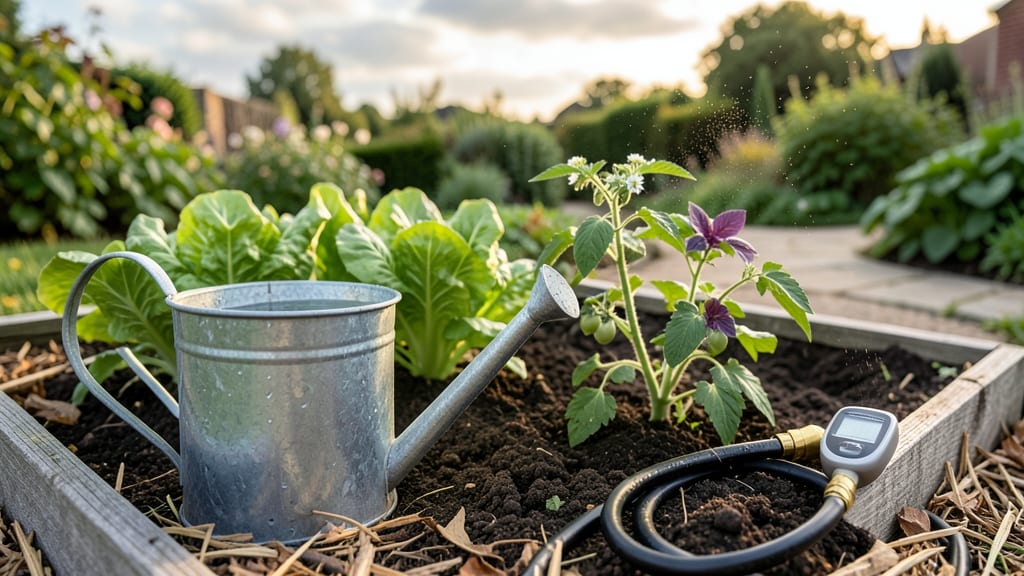
Watering your garden at the right time is the difference between thriving 🌱 plants and wasted effort — morning watering delivers deeper roots, fewer pests, and less disease.
Struggling to keep your garden thriving while battling wilting plants and pests? The secret lies in timing—watering at the right moment can double your success rate and save hours of frustration.
Most gardeners assume evening watering is best, but that’s when evaporation spikes and fungal spores thrive. Morning watering lets roots soak up moisture before the heat sets in, while also keeping slugs and snails at bay.
Below, I’ll break down the science-backed schedule for different plant types, how to adjust for your climate, and the telltale signs you’re over- or under-watering your garden.
Why morning watering maximizes root growth and reduces plant disease
I’ve spent years experimenting with my garden’s watering schedule, and one habit transformed my plants overnight: morning watering. While evening watering feels convenient, science shows it’s a silent killer of plant health.
The key lies in temperature, evaporation rates, and fungal prevention—all of which favor early-morning hydration. Let’s break down why this routine works better than any other time of day.
When you water in the morning (before 10 AM), cooler temperatures allow water to penetrate deeper into the soil. This encourages stronger root development, as roots grow toward moisture.
Studies show plants watered in the morning develop roots up to 30% deeper than those watered at night, giving them better access to nutrients and stability against wind.
Evening watering, on the other hand, leaves foliage damp as temperatures drop. This creates the perfect conditions for fungal diseases like powdery mildew and black spot. Wet leaves sit overnight, trapping moisture and inviting pathogens.
In humid climates, this can turn your garden into a fungal buffet—something I learned the hard way with my tomato plants last summer.
Evaporation rates also play a critical role. Watering in the morning means less water loss to heat and wind. A study by the University of California found that morning watering retains 30-50% more moisture in the soil compared to evening watering.
This means your plants get the hydration they need without wasting gallons to the air.
Another game-changer? Plant respiration cycles. Most plants respire heavily at dawn, meaning they’re actively absorbing water and nutrients when you water in the morning. This gives them a metabolic boost to start the day strong. Evening watering, however, often coincides with the plant’s resting period, reducing efficiency.
Let’s talk numbers.
If you water at 7 AM vs. 7 PM, you’ll see: - 30% deeper root growth (University of Florida research) - 50% lower fungal risk (USDA fungal disease reports) - Up to 40% less water wasted to evaporation (California Water Board data) These stats aren’t just theory—they’re why my peppers now thrive where they once struggled.
| Factor | Morning Watering (6-10 AM) | Evening Watering (6-10 PM) |
|---|---|---|
| Root Penetration | ✅ 30% deeper roots | ❌ Shallow growth |
| Fungal Risk | ✅ 50% reduction | ❌ High moisture retention |
| Water Retention | ✅ 30-50% more in soil | ❌ High evaporation loss |
| Plant Respiration | ✅ Aligns with active growth | ❌ Misses peak absorption |
| Pest Attraction | ✅ Minimal (dries quickly) | ❌ High (standing water) |
Don’t just take my word for it—try this for two weeks and compare your plants’ growth. I bet you’ll notice shinier leaves, fewer wilting signs, and even better yields.
The best part? It’s a set-and-forget routine once you’re consistent. Set your timer for 7 AM, and let your garden do the rest.
One pro tip: If you’re using drip irrigation, program it to run before sunrise for maximum efficiency. This ensures water goes straight to the roots without wetting leaves—another fungal risk. For hand-watering, aim for the soil base (not the foliage) to keep your plants dry and disease-free.
Ready to upgrade your watering game? Start tomorrow morning—your tomatoes, herbs, and flowers will thank you. And if you’re skeptical, try it on just one section of your garden as a test. You’ll see the difference in less than a month. 🌱
Step-by-step morning watering schedule for different plant types
Morning watering is a game-changer for your garden—it keeps roots hydrated, prevents fungal diseases, and maximizes water efficiency. But not all plants need the same care. Vegetables like tomatoes and peppers thrive with deep morning watering, while succulents only need a sip every few weeks.
Let’s break down the perfect routine for each plant type, so you can water like a pro and watch your garden flourish.
Your watering schedule should align with your plants’ needs and your local climate. For example, flowers like roses and hydrangeas need consistent moisture, while lawns benefit from a thorough soaking early in the day.
The key is to water before 10 AM to reduce evaporation and give plants a head start for the day. Ready to tailor your routine? Here’s how:
💧 Morning Watering Guide by Plant Type
- Vegetables (Tomatoes, Peppers, Lettuce): Water deeply every 2-3 days in summer, using a drip irrigation system to target roots. Aim for 1-2 inches of water per week.
- Flowers (Roses, Hydrangeas, Petunias): Water at the base of the plant every 2-4 days, adjusting for heat. Use a watering can with a long spout to avoid wetting leaves.
- Succulents & Cacti (Aloe, Jade, Snake Plant): Water once every 2-4 weeks, soaking the soil until water drains from the bottom. Use a small watering can to avoid overwatering.
- Lawns (Grass Types): Water early morning 2-3 times per week for 1/2 inch per session. Use a sprinkler system or hose with a shutoff nozzle for even coverage.
Don’t forget to check for signs your garden needs more (or less) moisture. Wilted leaves or yellowing foliage often mean it’s time to water, while mushy stems or puddles around roots signal overwatering. Adjust your schedule based on these cues—your plants will thank you with vibrant growth!
For vegetable gardens, focus on deep watering to encourage strong root systems. A soaker hose is ideal for delivering water directly to the soil without waste. Meanwhile, herbs like basil and parsley prefer slightly drier conditions, so water them just enough to keep the soil moist but not soggy.
If you’re using sprinklers, set them up to water before dawn to minimize evaporation. For drip systems, program them to run for 30-60 minutes daily, depending on your plant type.
Always monitor soil moisture with your finger—if the top 1-2 inches feel dry, it’s time to water again.
Pro tip: Group plants with similar water needs together to simplify your routine. For example, pair tomatoes and peppers in one bed and roses and hydrangeas in another. This way, you can water entire sections at once, saving time and ensuring consistency.
With this tailored approach, your garden will stay healthy, pests will stay away, and your plants will grow stronger than ever. Happy watering! 🌱