
Pests
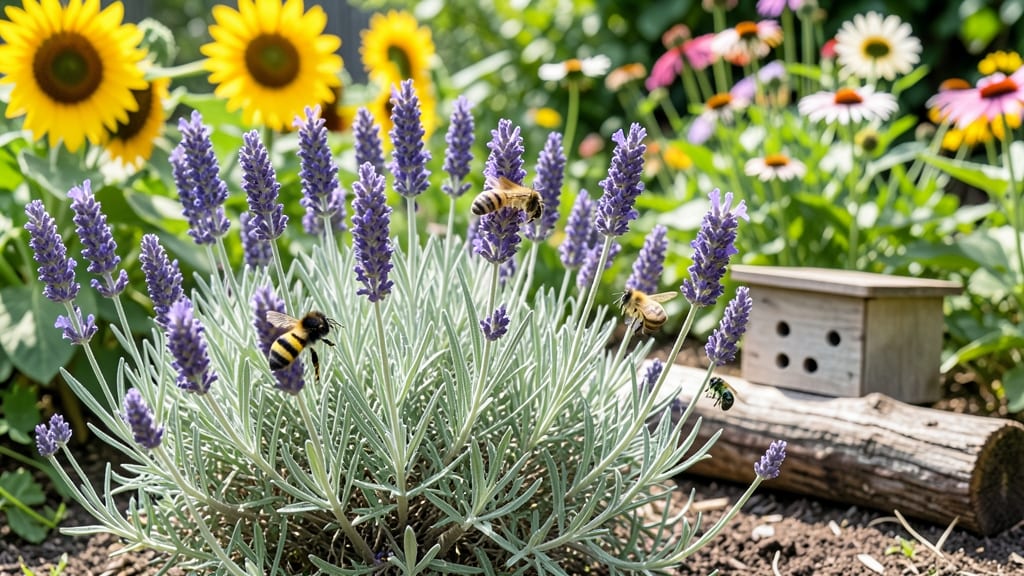
Creating a bee-friendly garden involves planting native flowers like clover and lavender, providing shallow water sources, and avoiding pesticides to support pollinators year-round.
Bees in a garden aren't just beneficial—they're essential for a thriving ecosystem. 🐝 Native plants provide the perfect food source with their pollen and nectar, while water sources like shallow dishes with pebbles give bees a safe place to drink.
I've found that leaving patches of bare soil or adding small log piles creates ideal nesting spots for solitary bees. The key is variety: different blooming seasons ensure bees have food from spring through fall.
What many gardeners overlook is that bees prefer simplicity. 🌼 Avoid hybridized flowers—they often lack the pollen bees need. Instead, focus on plants like coneflowers or bee balm that have evolved alongside local bee species.
Even a small urban garden can become a buzzing hub with just a few strategic plantings and water sources.
💡 In This Article
- Why Native Plants Are Essential for Garden Bees
- DIY Bee-Friendly Garden Setup Guide
Why native plants are essential for garden bees
Native plants have evolved alongside local bee species over thousands of years, creating a perfect nutritional match. 🌿 These plants produce pollen and nectar that contain the precise proteins, lipids, and carbohydrates bees need to thrive.
For example, eastern black swallowtail butterflies rely on milkweed, but bees benefit from goldenrod and asters that bloom later in the season. Non-native plants often lack these essential nutrients because they haven't co-evolved with local pollinators.
The timing of blooms is another critical factor. Native plants typically flower at different times throughout the growing season, ensuring bees have continuous access to food. A well-designed garden might include early spring bloomers like Virginia bluebells, summer favorites like bee balm, and late-season providers like goldenrod.
This staggered blooming pattern prevents food shortages that can occur when relying solely on non-native annuals with single-season blooms.
Bees also benefit from native plants' resistance to local pests and diseases. 🐝 These plants have developed natural defenses against regional insects and fungi, reducing the need for chemical interventions that harm bees.
For instance, purple coneflower is drought-tolerant and resistant to many common garden pests, making it an excellent choice for low-maintenance bee gardens. This resilience creates a more stable environment for pollinators compared to non-native species that often require extra care and protection.
Consider the specific needs of different bee species when selecting plants. Bumblebees, for example, prefer plants with open flowers that provide easy access to nectar, while solitary bees often collect pollen from compact blossoms. Native plants naturally support this diversity because they've developed with all local pollinators in mind.
A garden with just a few native species can attract dozens of different bee varieties, creating a vibrant ecosystem that non-native plants simply can't match.
The scent and color of native flowers also play crucial roles in attracting bees.
Many native plants produce strong, sweet fragrances that bees can detect from great distances, while their colors (particularly blues, purples, and yellows) are visible in ultraviolet light—the spectrum bees use to navigate. 🌸 Non-native plants often lack these visual and olfactory cues, making them less appealing to foraging bees.
This is why a garden filled with native wildflowers becomes a buzzing hub of activity while similar-looking non-native plants might remain ignored.
For gardeners looking to maximize bee activity, focus on creating "bee highways" with native plants that connect different areas of your garden. These corridors allow bees to move efficiently between food sources while also providing safe passage through urban or suburban landscapes.
Even small patches of native plants can make a significant difference in supporting local bee populations, proving that every garden—regardless of size—can become an important habitat for these vital pollinators.