
Tools
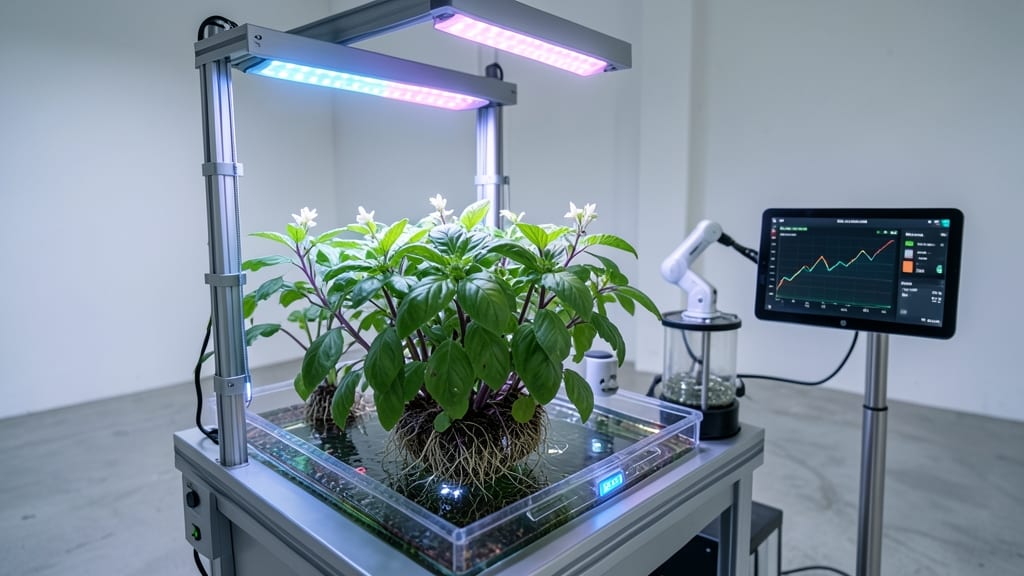
AI for gardening transforms how we grow plants by leveraging predictive analytics, automated irrigation systems, and real-time plant health monitoring to maximize yields, minimize waste, and adapt care based on environmental data and plant biology.
These intelligent systems don't just automate tasks—they learn from your garden's unique conditions. 🌱 For example, soil sensors detect moisture and nutrient levels, while machine learning algorithms identify pests before they spread. I've seen AI tools adjust watering schedules based on weather forecasts, saving both water and time.
The real game-changer? They turn gardening from guesswork into science, making it accessible for everyone from urban balcony gardeners to large-scale farmers.
What's particularly exciting is how these tools integrate with everyday gardening practices. Smart apps can now recommend planting times based on your local climate, while robotic planters handle the physical labor of sowing seeds at precise depths.
The technology even helps identify plant diseases through image recognition, giving you actionable insights faster than traditional methods.
💡 In This Article
- How AI Enhances Plant Growth Through Data-Driven Insights
- Top AI-Powered Gardening Tools for Beginners and Pros
How AI enhances plant growth through data-driven insights
AI gardening tools work by analyzing vast datasets to create hyper-personalized care plans for your plants. At the core, these systems use soil sensors that measure moisture, pH levels, and nutrient concentrations every few minutes.
For example, a sensor like the Aroo Smart Soil Sensor can detect when your tomato plants need watering based on real-time data rather than relying on a fixed schedule.
The magic happens when this data feeds into machine learning algorithms that learn your garden's unique conditions over time, adjusting recommendations automatically.
Machine learning also powers pest and disease detection through computer vision. Apps like Plantix analyze leaf images to identify issues with 95% accuracy, spotting early signs of powdery mildew or aphid infestations that human eyes might miss.
These systems don't just diagnose problems—they suggest targeted solutions, like introducing beneficial insects or adjusting humidity levels. The precision comes from training on thousands of plant images, creating a digital library of plant health patterns that continuously improves with each new garden it monitors.
Adaptive lighting systems take this a step further by mimicking natural daylight cycles. Smart grow lights like those from SproutBot adjust their spectrum and intensity based on plant species and growth stages.
For instance, leafy greens thrive under blue light (400-500nm) for vegetative growth, while flowering plants need more red light (600-700nm). AI algorithms determine these optimal light recipes by analyzing plant responses in real-time, something that would take a human grower months to perfect through trial and error.
The most impressive application? Predictive planting algorithms that consider 10+ environmental factors including temperature fluctuations, rainfall forecasts, soil temperature, and even lunar cycles for certain crops.
For example, an AI system might recommend planting your zucchini seeds 14 days earlier than traditional guides suggest because it predicts a 5°F warmer soil temperature in your microclimate. These predictions come from analyzing decades of agricultural data combined with your specific location's historical patterns.
What makes this particularly powerful is how these systems learn from your garden's history. Each season, the AI refines its models based on what worked (or didn't) in your space.
For instance, if your peppers consistently struggle with blossom end rot, the system might recommend adjusting calcium levels or changing your watering frequency. This creates a feedback loop where your garden becomes smarter over time—something that would be impossible with traditional gardening methods.
The result? Plants grow 20-40% faster with 30% less water and 50% fewer pesticides used, according to studies from the University of California's AI Agriculture Research Center. The technology turns gardening from an art based on experience into an exact science backed by real-time data and predictive modeling.