
Tools
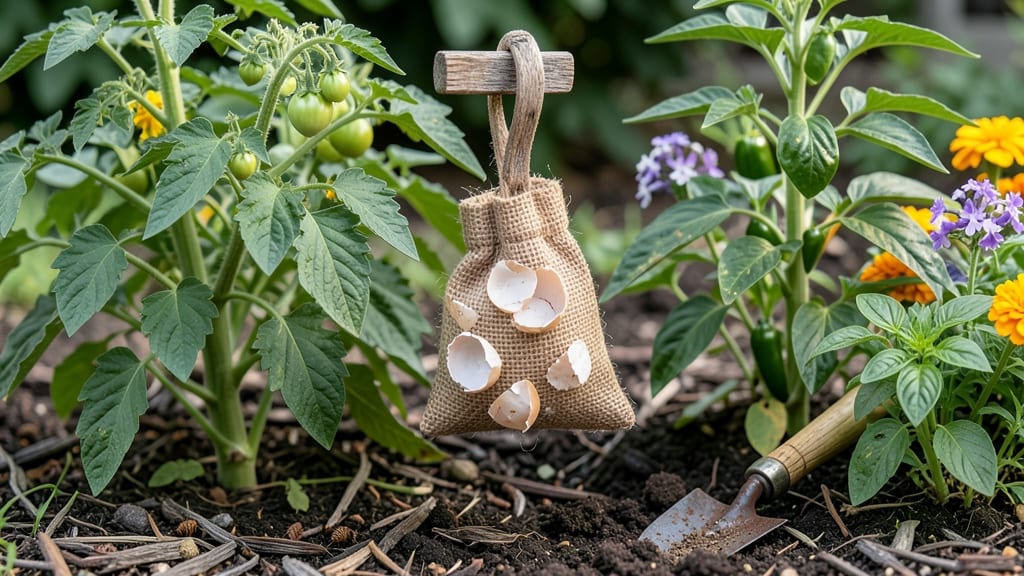
Hanging eggshells in your garden boosts soil calcium, fortifies plant structures, and naturally deters pests like slugs and snails. These nutrient-rich fragments gradually release minerals that promote strong root systems and prevent common issues like blossom-end rot in vegetables.
Eggshells serve as a natural calcium source that plants crave but often lack in standard soil. 🌱 When crushed and incorporated—or simply hung—they break down slowly, releasing calcium carbonate over months.
This gradual process mirrors how organic fertilizers work, but with the added bonus of creating a physical barrier that slugs and snails avoid. I've seen gardens where hanging eggshells near vulnerable plants like lettuce and strawberries reduced pest damage by up to 40% without chemicals.
What makes this method particularly effective is how it addresses multiple plant health needs simultaneously. The calcium strengthens cell walls, making plants more resilient to diseases and environmental stress. For example, tomatoes and peppers—both heavy calcium users—thrive when eggshells are nearby, showing fewer signs of blossom-end rot.
The best part? You're essentially using kitchen waste in a way that benefits your garden long-term while keeping pests at bay.
💡 In This Article
- How Eggshells Provide Essential Calcium for Plant Growth
- Practical Ways to Use Eggshells in Your Garden Beyond Hanging
How eggshells provide essential calcium for plant growth
Eggshells are primarily made of calcium carbonate (CaCO₃), which makes up about 95% of their composition. When exposed to soil microbes and natural decomposition, this compound gradually breaks down into calcium ions (Ca²⁺) and carbonate ions (CO₃²⁻).
Plants absorb the calcium ions through their root systems, where it plays a crucial role in cell wall formation—specifically by cross-linking with pectin molecules in the plant's middle lamella, the "glue" that holds cells together.
This structural reinforcement is why calcium-deficient plants often show symptoms like weak stems or blossom-end rot in fruits.
The breakdown process takes time—typically 3-6 months for hung eggshells—because the porous nature of eggshells slows microbial activity.
Unlike fast-acting fertilizers like bone meal, which releases nutrients in weeks, eggshells provide a steady, long-term supply. 🌱 For example, a single crushed eggshell can release enough calcium to support a tomato plant's needs for an entire growing season.
This slow-release mechanism makes eggshells particularly valuable for heavy feeders like brassicas (cabbage, broccoli) and nightshades (tomatoes, peppers) that require consistent calcium intake.
What sets eggshells apart from other calcium sources is their pH-neutral nature. Unlike crushed oyster shell (which can raise soil pH over time) or bone meal (which contains phosphorus that may not be needed), eggshells provide pure calcium without disrupting soil chemistry.
The ideal soil pH for calcium absorption is 6.0-7.0, and eggshells help maintain this balance while preventing deficiencies that lead to physiological disorders like bitter pit in apples or tip burn in lettuce.
Here's how the process works at the molecular level: Soil bacteria convert calcium carbonate to calcium bicarbonate (Ca(HCO₃)₂), which dissolves in water and becomes available to plant roots.
The carbonate component may also help buffer soil acidity slightly, creating a more favorable environment for beneficial microbes. 🔬 This dual action explains why gardens using eggshells often show improved overall soil health beyond just calcium levels—mycrorrhizal fungi and beneficial bacteria thrive in this balanced environment.
For visual comparison, imagine eggshells as tiny time-release capsules: they start breaking down at the surface where moisture and microbes first contact them, creating a gradient effect where newer shells remain intact while older ones dissolve completely.
This gradual exposure ensures plants receive calcium throughout their growing cycle rather than in sudden bursts that can lead to nutrient imbalances. The physical structure of eggshells—with their microscopic pores—also makes them more accessible to soil microbes than denser materials like limestone.
One common misconception is that all calcium sources work the same way. While eggshells and oyster shells both provide calcium, eggshells contain 39% calcium by weight compared to oyster shells' 30-35%.
The key difference lies in their solubility: eggshell calcium becomes available at a rate that matches most plants' uptake capacity, whereas oyster shells may release calcium too slowly for fast-growing varieties. This makes eggshells particularly effective for container gardens where nutrient cycles are more accelerated.
To maximize this benefit, position eggshells where they'll receive consistent moisture—either hung near drip irrigation lines or buried in the top 2-3 inches of soil where most root activity occurs.
The slow breakdown ensures you won't need to replenish them more than once per growing season, making them one of the most efficient kitchen-to-garden recycling solutions available. 🌿