
Companion Plants
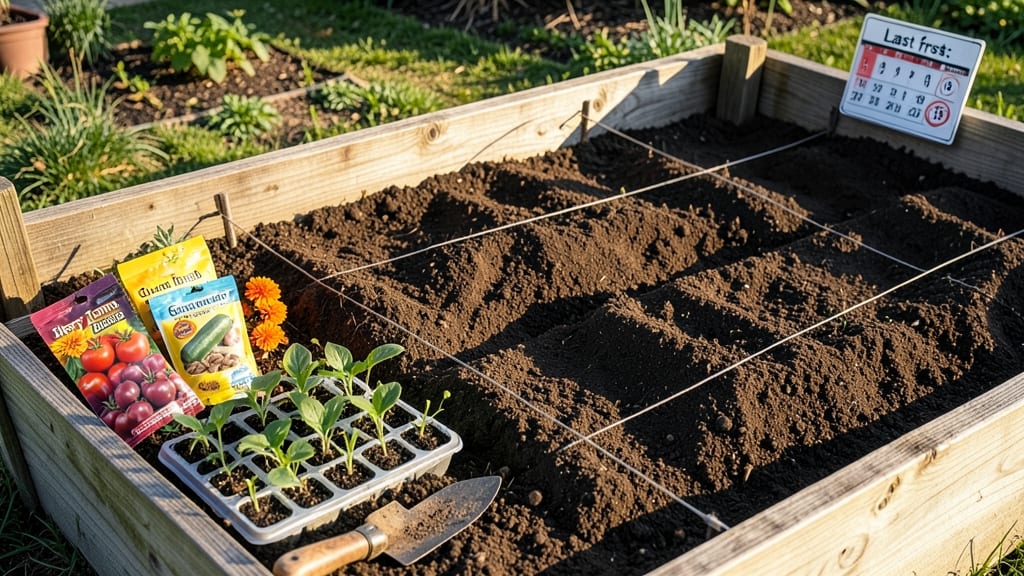
To plant your garden in Illinois, time your cool-season crops like spinach and peas 4-6 weeks before the last spring frost (typically March-April), while warm-season crops like tomatoes and peppers should wait until after the last frost (usually May-June). Your specific Illinois Hardiness Zone (Zone 5 in northern areas or Zone 6 in southern regions) determines exact planting windows.
Timing your garden in Illinois isn't just about dates—it's about understanding how your local climate behaves. 🌱 The USDA Hardiness Zone Map helps narrow it down, but even within the same zone, microclimates (like urban heat islands or sheltered valleys) can shift planting windows by 1-2 weeks.
For example, Zone 5 areas might see their last frost in early May, while Zone 6 could be frost-free by late April. I always recommend checking your local cooperative extension service for hyper-local advice, especially if you're growing heat-sensitive crops like basil or eggplant.
Another key factor is soil temperature—most warm-season crops need soil to reach at least 60°F before planting. A soil thermometer is your best friend here, as surface air temps can be misleading.
For cool-season crops, I've found that starting seeds indoors 6-8 weeks before the last frost date gives them a head start, especially for slower growers like broccoli or cabbage. Container gardens also warm up faster, so they often get a 2-week earlier planting window than in-ground beds.
💡 In This Article
- Illinois Frost Dates by Hardiness Zone: Exact Timing for Planting
- Best Planting Calendar for Illinois Gardens by Crop Type
Illinois frost dates by hardiness Zone: exact timing for planting
Illinois spans two primary USDA Hardiness Zones—Zone 5 in the northern half (including Chicago and areas north) and Zone 6 in the southern half (like St. Louis and areas south).
The difference between these zones translates to roughly 1-2 weeks in frost timing, which can mean the difference between a thriving tomato plant and a frost-bitten seedling.
Zone 5 typically sees its last spring frost between April 15 and May 1, while Zone 6 areas often reach frost-free conditions by April 1 to April 15. This shift matters because warm-season crops like peppers and cucumbers need consistent temperatures above 55°F for optimal growth.
The USDA zone map helps, but the real magic happens when you cross-reference it with local weather data.
For example, Chicago (Zone 5b) has an average last frost date of April 28, but in 2022, it experienced a late frost on May 10—a reminder that averages are just guidelines. 🌿 To get precise timing, check your local cooperative extension service or use tools like the National Oceanic and Atmospheric Administration (NOAA) frost probability maps.
These resources account for microclimates, like urban areas that stay warmer or sheltered valleys that trap cold air longer.
Soil temperature is another critical factor that often gets overlooked. Most warm-season crops won't germinate properly until the soil reaches at least 60°F, which can lag behind air temperatures.
For instance, in Zone 5, air temps might hit 70°F by late April, but soil temps may still hover around 50°F. Using a soil thermometer to monitor these conditions ensures you don't plant too early and risk stunted growth.
Cool-season crops, on the other hand, can tolerate cooler soils and even light frosts, making them ideal for early planting.
One practical tip I've learned is to adjust your planting timeline based on the crop's sensitivity. For example, basil is a tropical plant that won't survive frost at all, so it's best to wait until soil temps are consistently above 65°F—often 2-3 weeks after the last frost date.
In contrast, hardy greens like kale or Swiss chard can handle light frosts and may even taste sweeter after a cold snap. This is why succession planting—staggering your plantings every 2-3 weeks—works so well in Illinois gardens, allowing you to extend harvests and maximize yield.
For gardeners in raised beds or containers, timing can shift even further. These growing environments warm up faster in spring and cool down quicker in fall, giving you an extended 2-4 week window for planting.
For instance, you might successfully plant warm-season crops in containers by mid-April in Zone 5, while in-ground planting would wait until mid-May. This flexibility is especially useful for urban gardeners or those with limited space, as it allows for earlier harvests and longer growing seasons.
Finally, don't forget about the first fall frost, which typically arrives between October 15 and November 15 in Zone 5 and October 1 and October 15 in Zone 6. This date is crucial for planning your fall garden and determining when to harvest or protect sensitive crops.
For example, pumpkins and winter squash need 90-120 days to mature, so you'll want to plant them by mid-July in Zone 5 to ensure they're ready before the first frost. 🍂