
Planting
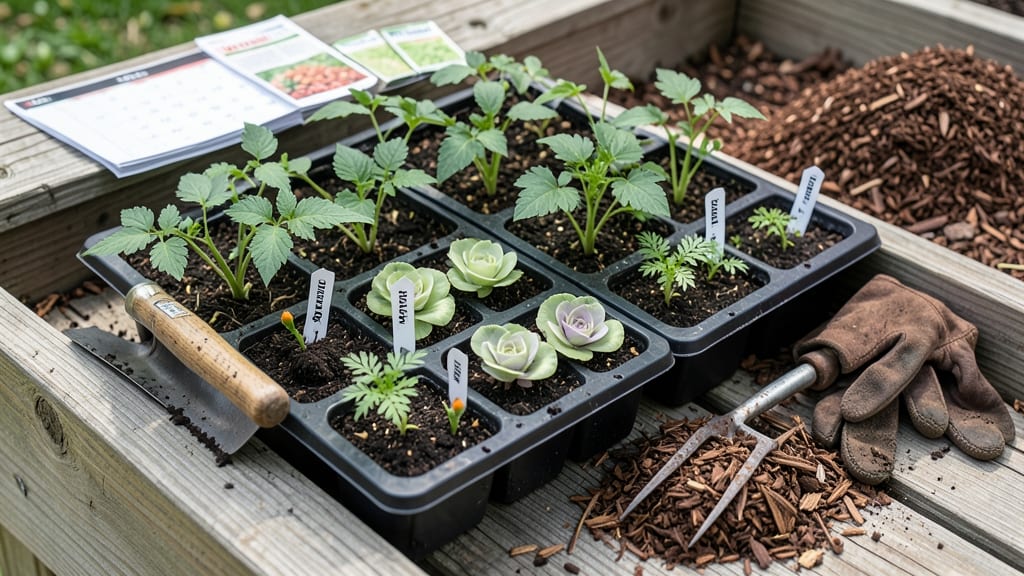
Planting your garden in Pennsylvania at the right time means the difference between a thriving harvest and wasted seeds.
Pennsylvania’s diverse climate—from frost-prone mountains to humid valleys—means planting your garden at the wrong time can spell disaster for your harvest. Get the timing right, and you’ll enjoy bountiful tomatoes, crisp lettuce, and thriving perennials all season long.
With USDA zones ranging from 5b to 7a, knowing when to start seeds indoors, when to transplant, and how to adjust for late frosts is the key to success. Whether you're a beginner or a seasoned gardener, timing is everything.
In this guide, I’ll break down the best planting windows for cool- and warm-season crops, share region-specific tips, and help you make the most of Pennsylvania’s 150-180 frost-free days.
Pennsylvania planting zones: when to start seeds and transplant by region
Pennsylvania spans USDA hardiness zones 4-7, creating unique planting challenges from the cool mountain valleys to the warmer urban areas. Your location determines whether you can plant tomatoes in May or need to wait until June.
Understanding these zones helps you align your planting schedule with nature's rhythm for the best yields.
In Zone 4 (northwest PA), like Erie, expect late last frosts around May 15 and early first frosts by October 1. Meanwhile, Zone 7 (southeastern PA), such as Philadelphia, enjoys last frosts by April 15 and first frosts after October 15.
These differences mean cool-season crops like spinach can start 6 weeks earlier in the south than in the north.
Microclimates further complicate timing. A Pittsburgh backyard might experience 3°F warmer spring temperatures than a rural Allegheny Mountain farm just 20 miles away. Always check local frost records from sources like Penn State Extension before planting.
For cool-season crops, start seeds indoors 4-6 weeks before your last frost date.
In Zone 5 (central PA), this means early March for lettuce and peas. Warm-season crops like peppers and beans need to wait until 2-3 weeks after your last frost—typically mid-May in Zone 4 and early April in Zone 7.
Transplanting also follows zone-specific rules. Seedlings of tomatoes and peppers should harden off in Zone 4 by late May, while Zone 7 gardeners can transplant as early as mid-April. Always monitor soil temperatures—warm-season crops need 60°F+ soil to thrive.
| Zone & Region | Last Frost | First Frost | Cool-Season Start Indoors | Warm-Season Plant Outdoors |
|---|---|---|---|---|
| Zone 4 (Erie, State College) | May 15 | October 1 | Early March | Mid-May |
| Zone 5 (Pittsburgh, Harrisburg) | April 30 | October 10 | Late February | Early May |
| Zone 6 (Lancaster, Reading) | April 15 | October 20 | Mid-February | Late April |
| Zone 7 (Philadelphia, Wilmington) | April 1 | November 1 | January | Early April |
In Zone 4, protect tender seedlings with row covers until mid-June to avoid frost damage. My tomato plants in Erie often need extra shelter until after Memorial Day.
Meanwhile, Zone 7 gardeners can plant squash and cucumbers as early as March 15 under plastic tunnels for a head start.
Fall planting offers a second chance. In Zone 5, sow spinach and kale by August 15 for harvest before winter. In Zone 7, extend the season until September 30. Always calculate mature harvest times—broccoli needs 80 days to reach maturity, so plant accordingly.
Use local weather patterns to fine-tune timing. If your area had an early spring like 2021, you might plant 2 weeks earlier than average. Conversely, a late frost in May could delay warm-season crops by 3 weeks. Always have a backup plan for unexpected cold snaps.
For perennials, timing matters too. Plant asparagus crowns in Zone 4 by early May to establish roots before winter. In Zone 7, you can plant berry bushes as late as June, but they’ll need extra watering to recover before dormancy.
Remember: Soil temperature matters more than air temperature. Use a soil thermometer to confirm 50°F+ for peas and 60°F+ for tomatoes. My Zone 5 garden saw failed pepper plants one year because
Best month-by-month planting schedule for Pennsylvania gardens
Pennsylvania’s frost dates and microclimates create a unique gardening timeline. Whether you’re in Zone 5b or Zone 7a, knowing when to start seeds indoors, direct sow, or transplant is key to a thriving garden.
I’ve broken down the best month-by-month schedule to maximize your harvest, from cool-season crops in spring to warm-season favorites in summer.
Timing isn’t one-size-fits-all—early frosts in the mountains or humid heat in the valleys can shift your planting window. Use these guidelines as a starting point, then adjust based on your local last frost date (typically mid-April in most regions).
For real-time updates, check the Penn State Extension frost date maps.
📅 Month-by-Month Planting Guide for Pennsylvania
- 🌱 March-April: Start cool-season seeds indoors (lettuce, spinach, kale) and hardy perennials (peony, lavender). Transplant spring-blooming bulbs (tulips, daffodils).
- 🌿 April-May: Direct sow peas, radishes, and potatoes after last frost. Transplant broccoli, cabbage, and onions 2-3 weeks before last frost. Start tomatoes, peppers, and basil indoors.
- ☀️ May-June: Plant warm-season crops (tomatoes, cucumbers, beans) 2-3 weeks after last frost. Transplant indoor-started seedlings (peppers, eggplants) when soil is 60°F+.
- 🌻 July-August: Sow fall crops (kale, carrots, beets) for late-season harvests. Succession plant bush beans and summer squash every 2 weeks. Start cool-season flowers (pansies, snapdragons) indoors.
- 🍂 September-October: Plant garlic and onions for next year. Direct sow spinach, arugula, and turnips 6-8 weeks before first frost. Transplant mums and asters for fall color.
- ❄️ November-December: Mulch perennials and shrubs to protect roots. Plant spring-blooming bulbs (crocus, hyacinth) for early spring color. Plan next year’s seed order and garden layout.
For Zone 5b gardeners, like those in the Poconos, wait until after May 15 to plant warm-season crops—late frosts are common. In Zone 7a, such as Philadelphia, you can start tomatoes and peppers indoors in March and transplant by mid-April.
Always use row covers or cold frames to extend early and late seasons.
Don’t overlook succession planting—sow lettuce, radishes, and carrots every 2 weeks from April to July for a continuous harvest. And if you love herbs, plant basil in May and parsley in early spring or fall for year-round freshness.
Adjust for your local microclimate: South-facing beds warm up faster, while shady spots may need cool-season crops planted later.
Pro tip: Use a garden journal to track your planting dates and note any frost surprises. Over time, you’ll refine your schedule to match your unique Pennsylvania climate. Happy planting—your homegrown harvest is just a few seeds away! 🌱