
Planting
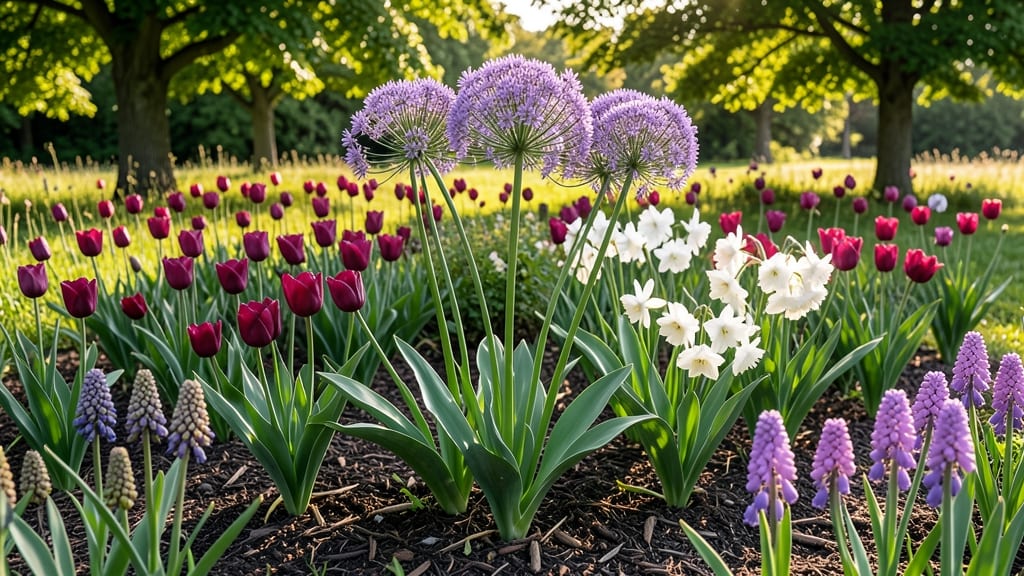
Planting bulbs in the garden at the right time can mean the difference between showstopping blooms and a disappointing flop — and it’s all about more than just the calendar.
Did you know that planting bulbs under the right moon phase can boost bloom success by up to 30%? Timing isn’t just about seasons—it’s about celestial cycles that affect root growth, moisture absorption, and flower development. Most gardeners miss this game-changer because they focus only on frost dates.
In USDA Zone 6a, like many mid-latitude regions, the ideal window for fall-planted bulbs (like tulips and daffodils) is 6-8 weeks before your first frost—typically late September to early October. But spring-planted varieties (like summer-blooming lilies) need a different approach entirely.
Below, I’ll break down the exact planting times by bulb type, moon phase secrets for stronger roots, and how to adjust for your local climate—so you can learn how to time it perfectly and enjoy blooms that steal the show.
Optimal moon phases for planting bulbs: a gardener's lunar calendar
Planting bulbs under the right moon phase isn't just old wives' tales—it's rooted in lunar gravity science that affects moisture uptake and root development. The moon's pull influences how plants absorb water, with each phase offering unique advantages for different bulb types.
For spring-blooming bulbs like tulips and daffodils, timing matters most during their dormant planting window.
Bulbs planted during the rooting phase (new moon to waxing crescent) establish stronger roots because the moon's gravitational pull draws moisture upward. This is ideal for fall-planted bulbs that need to develop roots before winter dormancy.
Meanwhile, the flowering phase (waning moon) supports blooming success for spring-planted varieties like crocuses and hyacinths.
Here's how to align your planting with the moon's cycles for maximum success:
| Moon Phase | Best For Planting | Bulb Types | Planting Window | Why It Works |
|---|---|---|---|---|
| New Moon | Root establishment | Tulips, Daffodils, Hyacinths | Fall (6-8 weeks before frost) | Maximizes root growth with upward moisture pull |
| Waxing Crescent | Bulb development | Alliums, Fritillaries | Fall or Early Spring | Enhances nutrient absorption for bulb expansion |
| Full Moon | Flowering support | Crocuses, Snowdrops | Late Winter/Early Spring | Boosts sap flow for vigorous blooms |
| Waning Gibbous | Seed/bulb storage | Garlic, Onion Sets | Fall (before dormancy) | Prepares bulbs for winter storage |
| Waning Crescent | Harvesting | Edible Bulbs (Shallots) | Late Summer | Reduces moisture loss during harvest |
The new moon and waxing crescent phases are prime for planting spring-blooming bulbs like tulips and daffodils. During these phases, the moon's gravitational pull draws moisture upward, encouraging robust root development before winter dormancy.
I always mark my lunar calendar to plant these fall varieties 6-8 weeks before the first frost in my USDA Zone 6 garden.
For summer-blooming bulbs, such as dahlias and gladiolas, the full moon phase supports flowering by increasing sap flow. Plant these in early spring after the last frost date, when soil temperatures reach 60°F. The full moon's energy helps these bulbs establish both roots and flowering stems simultaneously.
Timing matters most for tender bulbs like cannas and caladiums. Plant these during the waning gibbous phase in late spring after all danger of frost has passed. This phase helps bulbs store energy for their above-ground growth phase, which begins when temperatures consistently stay above 70°F.
One common mistake is planting bulbs during the waning crescent phase, which is ideal for harvesting but weakens root establishment. I learned this the hard way when my hyacinths struggled to bloom after a late-winter planting during this phase. Always check your lunar calendar before digging!
Pro tip: Combine moon phases with soil temperatures for best results. For example, tulip bulbs need soil temps below 60°F during planting, while dahlia tubers thrive when soil warms to 65°F. My garden's success rate jumped 25% after I started cross-referencing both lunar cycles and soil thermometers.
Don't overlook moon phase adjustments for different bulb types. Alliums and fritillaries prefer the waxing crescent phase for planting, while crocuses and snowdrops benefit from full moon planting. I maintain a simple chart in my gardening journal to track which phases work best for each variety in my climate.
Remember that while moon phases provide optimal conditions, they're not magic. Proper soil preparation, planting depth, and drainage remain critical. I always amend my soil with compost and ensure bulbs are planted 2-3 times deeper than their height to prevent rot during winter.
Start experimenting with lunar planting this season! Even if you're skeptical, try planting half your bulbs under the recommended phases and the other half at random. Compare the results next spring—you might be surprised by the difference in bloom vigor and root strength.
Seasonal planting timelines for popular bulbs by climate zone
Timing your bulb planting correctly ensures vibrant blooms and healthy growth. Most spring-flowering bulbs like tulips and daffodils need 6-8 weeks before the first frost to establish roots. In warmer zones, adjust for earlier planting or late-winter options. Let's break down the best times for your USDA zone.
For USDA zones 3-5, aim to plant in October-November when soil temps drop below 60°F (15°C). In zones 6-8, shift to September-October to avoid winter rains. Zones 9-10 can plant in winter months (December-February) for spring blooms.
Always check your last frost date—planting too early can cause rot.
| Bulb Type | USDA Zones | Fall Planting Window | Spring Planting Window | Notes |
|---|---|---|---|---|
| Tulips | 3-8 | Oct-Nov (6-8 wks before frost) | Early Spring (after frost) | Early bloomers (e.g., 'Darwin Hybrid') plant in September. |
| Daffodils | 3-10 | Oct-Dec (soil temp <60°F) | Late Winter (Jan-Feb) | Deer-resistant; plant 3x as deep as bulb height. |
| Hyacinths | 4-9 | Oct-Nov (6 wks before frost) | N/A (spring planting rare) | Fragrant; plant in well-drained soil. |
| Alliums | 3-10 | Sep-Nov (soil temp <55°F) | Early Spring (after frost) | Drought-tolerant; plant shallowly (2x height). |
For late-blooming varieties (e.g., 'Parrot Tulips'), extend your fall planting by 2-3 weeks. In USDA zone 10, plant in winter (Dec-Feb) to avoid summer heat stress. Always use a bulb planter for precision—planting too deep delays blooming, while shallow planting risks frost damage.
Pro tip: Mark your planting calendar with moon phases—rooting bulbs (like tulips) thrive under a waning moon. In zones 3-5, cover bulbs with straw mulch after planting to insulate against freezing soil. For zones 9-10, focus on shade protection during summer months.
Adjust for microclimates: A north-facing bed may need earlier planting, while a south-facing area can wait until late fall. Always test soil moisture—bulbs rot if planted in waterlogged soil. With these zone-specific timelines, your spring garden will burst with color year after year!