
Picking
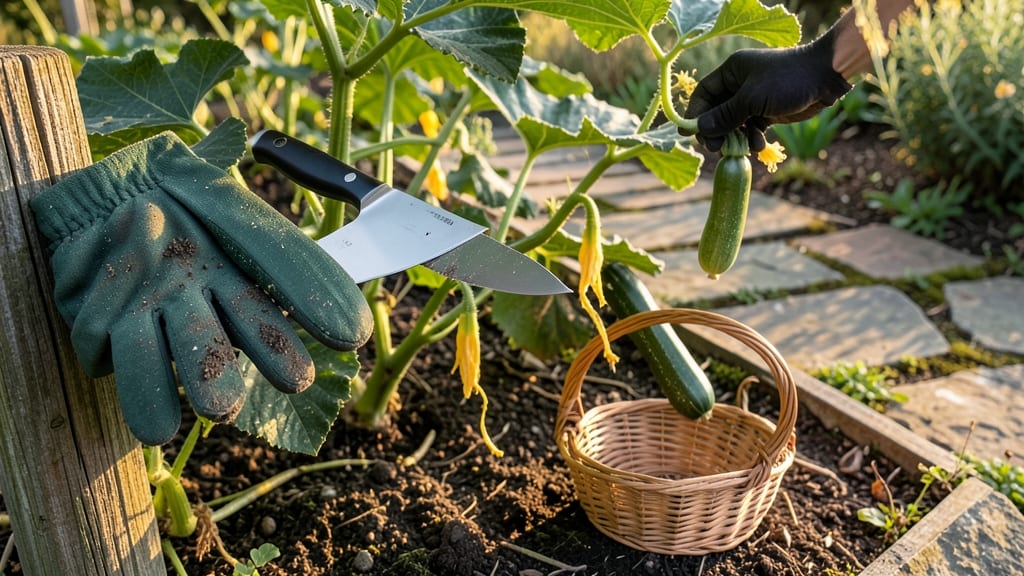
Picking zucchini from your garden at the right time ensures tender, flavorful 🎃 squash before they turn bitter or oversized.
Here’s the problem: one week of missed harvests, and suddenly you’re staring at a foot-long monster zucchini that’s tough, seedy, and barely recognizable as the sweet summer veggie you planted.
The key to avoiding this fate? Knowing the exact moment to pick—when the skin resists pressure, the color deepens, and the stem snaps cleanly.
This isn’t just about size (though 6-8 inches is ideal). It’s about texture, color consistency, and even the time of day you check your plants. A little attention now means weeks of continuous harvests instead of a single overwhelming glut.
Below, I’ll walk you through the three foolproof signs to harvest zucchini, how often to check your plants, and what to do if you’ve already missed the window. No more wasted squash—just perfect, homegrown zucchini every time.
3 Visual signs your zucchini is ready for harvesting
Harvesting zucchini at the right moment transforms your garden into a flavor factory. Miss the window, and you’ll end up with tough, seedy squash that’s more suitable for baking than fresh eating.
The key lies in three simple visual cues that tell you exactly when to grab your pruners and bring those zucchini into the kitchen—size, skin texture, and color consistency.
I’ve learned the hard way that waiting just a few extra days can turn a perfect zucchini into a giant, woody monster. But when you spot these signs, you’ll know your zucchini is at its peak—tender, sweet, and packed with nutrients.
Let’s break down what to look for in your garden.
🌱 Numbered Highlights: When to Pick Zucchini
- 📏 Size Matters: Aim for 6-8 inches long. This is the sweet spot for zucchini—smaller than 6 inches means it’s still growing, while anything over 8 inches becomes tough and seedy.
- 🤏 Skin Test: Gently press your thumbnail into the skin. If it resists slightly (like a ripe avocado), it’s ready. If it leaves a dent, it’s too soft and underripe; if it feels rock-hard, it’s overripe.
- 🟢 Color Uniformity: Look for a deep, glossy green with no yellowing or dull patches. The color should be consistent from stem to blossom end—no uneven shading.
- ✂️ Stem Snap Test: Bend the stem near the blossom end. If it snaps easily, the zucchini is ready. If it bends without snapping, wait a day or two.
- 🌿 Avoid the "Monster" Stage: Zucchini over 10 inches long often develop woody fibers and large seeds. Harvesting early prevents this and encourages your plant to produce more fruit.
One of the biggest mistakes I see gardeners make is waiting too long because they think bigger zucchini means better flavor. Nothing could be further from the truth—overripe zucchini loses its delicate texture and develops a bitter, mealy interior.
The 6-8 inch range is where zucchini shines, whether you’re grilling, spiralizing, or slicing them into fritters.
Pay attention to the blossom end (the end opposite the stem) of your zucchini. When it’s ready, this area should be smooth and firm, not shriveled or soft. This is another tell-tale sign that your zucchini is at its prime.
If you notice the blossom end starting to yellow or wrinkle, it’s a clear signal that the zucchini has passed its peak.
Color is another critical indicator that’s often overlooked. While most zucchini varieties are green, some like ‘Golden Zucchini’ or ‘Yellow Crookneck’ change color as they ripen. For green zucchini, look for a vibrant, even green hue.
If you see pale spots or streaks, it’s a sign the zucchini is either underripe or overripe. Consistency in color means optimal ripeness.
Pro tip: Check your zucchini plants daily during peak harvest season (usually July through August in most climates).
Zucchini grow rapidly, and what looks ready in the morning might be past its prime by evening. Morning harvests are ideal because the zucchini has had a full night to firm up after absorbing water.
If you’re growing bush varieties like ‘Black Beauty’ or ‘Patio Star’, you’ll find they produce zucchini closer to the ground, making them easier to spot.
On the other hand, vining varieties like ‘Straight Eight’ or ‘Defender’ might hide their zucchini among the leaves, so lift the foliage gently to check for hidden gems.
Remember, the goal is to harvest before the plant decides it’s done. Zucchini plants are prolific, and if you let just one or two zucchini grow too large, the plant will shift its energy to seed production instead of growing more fruit.
Stay on top of harvesting, and you’ll enjoy a continuous bounty all season long.
Once you master these three visual signs, harvesting zucchini becomes second nature. Your garden will thank you with healthier plants, and your kitchen will thank you with fresh, delicious zucchini ready for whatever recipe calls for it.
How often to check and pick zucchini for continuous harvest
Zucchini plants grow fast—sometimes too fast! If you let them go unchecked, you’ll end up with a jungle of vines and oversized squash that’s tough and seedy. The key to a steady harvest is regular monitoring and picking at the right time.
I check my zucchini plants every 2-3 days during peak growing season to stay ahead of the game.
Most gardeners make the mistake of waiting too long between checks. By the time you notice a zucchini, it might already be past its prime.
The goal is to pick when they’re 6-8 inches long—this keeps the plant producing more flowers and fruit instead of putting all its energy into one giant squash. Consistency is everything!
⚠️ callout warning
If you miss the 6-8 inch window, your zucchini will quickly become bitter, tough, and seedy. Worse, the plant will stop producing new flowers until you remove the oversized fruit. Check plants every 2-3 days—set a reminder if needed!
Pro Tip: Pick in the morning when temps are cool. This prevents bruising and makes the fruit last longer in storage.
For continuous harvest, aim to pick 2-3 zucchini per plant per week once the plant is established. This encourages the plant to keep flowering and fruiting. If you see yellowing leaves or fewer flowers, you’re likely picking too much—balance is key!
Don’t forget to inspect the stems while you’re checking for size. A ripe zucchini’s stem should snap easily when bent—this means it’s ready to pick. If the stem resists, wait another day or two. This small check saves you from ending up with foot-long monsters!
To maximize production, prune any yellow or diseased leaves while you’re harvesting. This improves airflow and keeps the plant healthy. I also mulch around the base to retain moisture, which helps the plant focus on producing fruit instead of struggling to stay hydrated.
By following this routine, you’ll enjoy tender, flavorful zucchini all season long—no bitter surprises! The more consistent you are, the more your plant will reward you with a bountiful, ongoing harvest. Happy picking! 🌱