
Picking
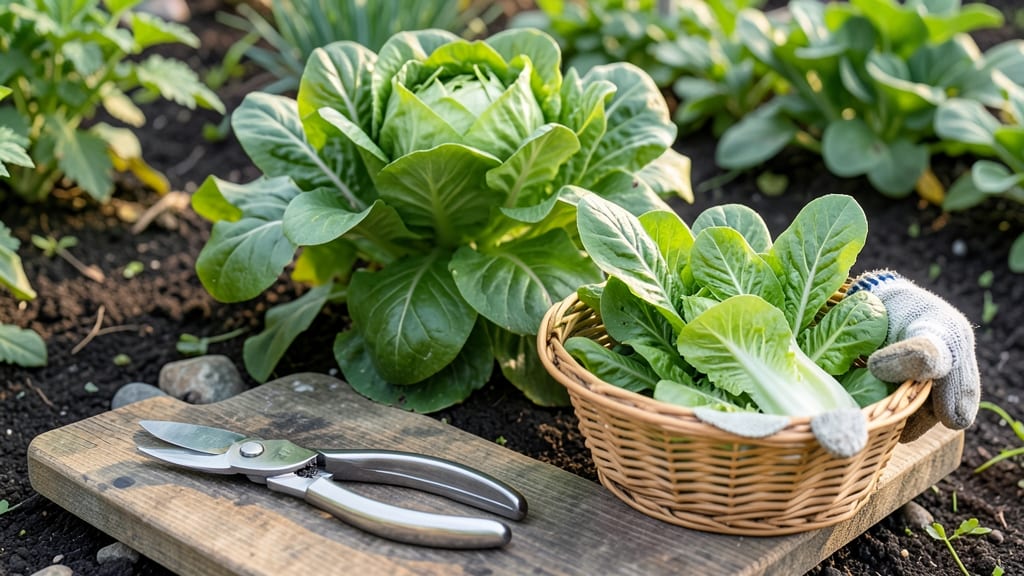
To pick lettuce from your garden at the perfect time means crisp, flavorful leaves instead of bitter disappointment—here’s how to nail it every season.
Harvesting lettuce at the wrong time means bitter leaves or wasted effort—knowing the perfect moment ensures crisp, flavorful greens every time. 🥬 Whether you’re growing loose-leaf varieties or tight heads, timing is everything, especially in USDA Zone 6a where spring and fall harvests are key.
Start by checking leaf size: ideal harvest comes when outer leaves reach 4–6 inches, firm and vibrant. For head lettuce, wait until the head feels solid and dense—cutting too early stunts growth, while waiting too long risks bolting.
Below, I’ll walk you through visual cues, taste tests, and seasonal adjustments to keep your lettuce sweet, crisp, and ready for the table. Avoid common mistakes that turn your greens bitter or tough, and learn how to extend harvests for weeks.
How to determine lettuce maturity by leaf size and growth stage
Knowing exactly when to pick lettuce from your garden means the difference between crisp, sweet greens and bitter, overgrown disappointment. Lettuce maturity varies by variety type, but leaf size, stem thickness, and head formation are your best visual guides.
For loose-leaf varieties, focus on individual leaf development, while head lettuce requires watching for tight, firm clusters. I’ll break down the exact physical cues to harvest at peak flavor.
Start by checking leaf size—this is your first clue. Most lettuce varieties are ready when leaves reach 4 to 6 inches long, though some dwarf varieties mature at just 3 inches. For butterhead or romaine, watch for leaves that form a compact, rounded head.
The outer leaves should feel crisp and firm to the touch, not floppy or rubbery. If you’re growing leaf lettuce, harvest outer leaves first—they’ll be ready before the inner ones.
Stem thickness is another key indicator. A mature lettuce plant will have stems that are thicker than a pencil but not woody. Thin stems mean the plant isn’t ready, while overly thick stems can signal the lettuce is past its prime. For head lettuce varieties, gently squeeze the head—it should feel solid and heavy for its size, not hollow or light. This firmness ensures maximum crunch and flavor.
Color consistency is often overlooked but crucial. Mature lettuce leaves should have a vibrant, even color—no yellowing edges or pale patches. If you notice yellowing leaves or a bitter taste, it’s a sign the plant is bolting (going to seed) or stressed.
Bolted lettuce is still edible but loses its sweetness. For red or purple varieties, the color should deepen as they mature, never fade.
Now, let’s talk about the growth stages that signal harvest time. Most lettuce varieties take 30 to 60 days to mature, depending on the type. Loose-leaf lettuce can be harvested as soon as leaves are 3 to 4 inches long, while head lettuce needs full head formation.
Pay attention to the base of the plant: if the leaves are crowding each other and the center is tight, it’s time to harvest. For cut-and-come-again varieties, you can snip outer leaves every 2 to 3 weeks for continuous harvests.
Environmental factors also play a role in maturity. Lettuce grows best in cool weather (50–75°F). If temperatures rise above 75°F, growth slows, and leaves may become bitter. In hot climates, focus on morning harvests to avoid stressing the plant. Conversely, in spring or fall, lettuce matures faster due to cooler temps. Always adjust your harvest timeline based on your local climate and seasonal conditions.
| Variety Type | Leaf Size Threshold | Head Formation | Stem Thickness | Days to Maturity |
|---|---|---|---|---|
| Loose-Leaf (e.g., Oakleaf, Black Seeded Simpson) | 3–6 inches per leaf | None (harvest individual leaves) | Pencil-thin to slightly thicker | 28–45 days |
| Butterhead (e.g., Bibb, Boston) | 4–6 inches (outer leaves) | Soft, rounded head (8–10 inches wide) | Thicker than pencil, not woody | 45–60 days |
| Romaine (e.g., Paris Island, Cos) | 6–8 inches (long, upright leaves) | Firm, elongated head (10–12 inches tall) | Sturdy, slightly thick | 50–65 days |
| Iceberg (e.g., Crisphead) | N/A (head formation only) | Tight, crisp head (6–8 inches wide) | Thick, solid core | 70–85 days |
| Leaf Lettuce (e.g., Green Leaf, Red Leaf) | 3–5 inches (harvest outer leaves) | None (continuous harvest) | Thin to medium | 30–50 days |
For head lettuce varieties, the harvest window is narrower. Wait until the head is fully formed but still firm to the touch. If you harvest too early, the head won’t be fully developed; too late, and the core may become hollow or bitter.
A good trick is to check the underside of the head—if it’s clean and free of brown spots, it’s ready. For loose-leaf varieties, you can harvest continuously by picking the outermost leaves first, allowing the inner leaves to keep growing.
One common mistake is waiting until lettuce bolts before harvesting. Bolting happens when lettuce sends up a tall flower stalk, usually due to heat stress
The taste test method: when to harvest for maximum flavor
Even when your lettuce leaves look perfect, the only true test of readiness is taste. I’ve learned that bitter lettuce often means harvesting too late, while overly tender leaves signal picking too soon. The taste test method lets you adjust harvest timing based on real flavor, not just appearance.
Start by selecting a mature outer leaf—never the youngest or oldest. For loose-leaf varieties like buttercrunch, this means leaves around 4-6 inches long. Head lettuces should have firm, compact heads where you can pinch a small section from the outer layer.
⚠️ WARNING: Avoid These Harvest Pitfalls ⚠️
⚠️ Overripe Signs: Yellowing stems or hollow cores mean the lettuce is past its prime. These leaves won’t recover crispness.
⚠️ Variety Differences: Romaine stays crisp longer than leaf lettuce. Adjust your taste test frequency accordingly—Romaine can wait 2-3 days longer before flavor declines.
To perform the test, gently pinch a small section from the leaf’s edge. Chew a tiny piece—if it’s crisp with mild sweetness, it’s ready. If it tastes bitter or overly peppery, wait 1-2 days and test again.
For head lettuces, check the inner leaves first since they mature last.
Adjust your harvest timing based on weather patterns. In cool spring mornings (50-65°F), lettuce develops peak flavor faster. During fall harvests, test leaves 2 days earlier than spring—cooler nights slow maturation. Keep a garden journal to track your variety’s ideal harvest window.
For continuous harvests, like with loose-leaf varieties, I recommend the "cut-and-come-again" method. Snip outer leaves when they reach 4-5 inches, leaving the inner growth intact. Re-test the regrowth in 5-7 days—you’ll often find a second flush of flavorful leaves before bolting occurs.
Store freshly harvested lettuce in the crispest drawer of your fridge, wrapped in a damp paper towel. But remember: the best flavor comes straight from the garden. Mastering the taste test method means you’ll never waste another bitter leaf again.