
Picking
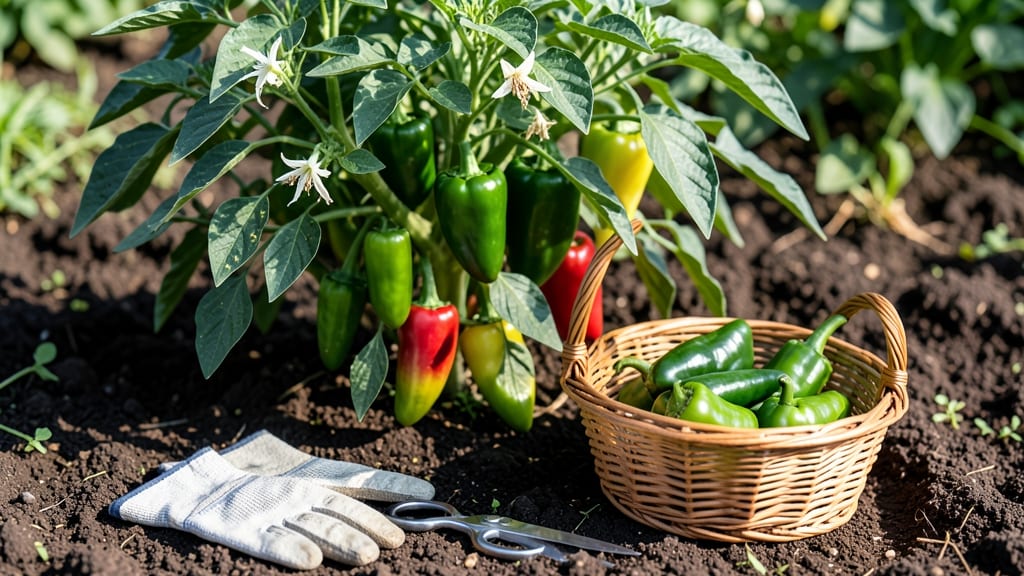
Picking jalapeños from your garden at the right time means the difference between a bold, crunchy pepper and a mealy, bitter one — and most gardeners miss the sweet spot by days.
You’ve nurtured your 🌶️ jalapeños all season, but how do you know when they’re truly ready? It’s not just about color or size — temperature, firmness, and even the way they snap off the plant all play a role.
One wrong move, and you could end up with peppers that lack heat or turn rubbery.
In this guide, I’ll walk you through the exact stages to watch for — from deep green to red — and the 5 key signs that prove your peppers are prime for picking. Whether you love them fiery green or sweet red, you’ll never second-guess harvest time again.
Plus, I’ll share pro tips for storing and using your jalapeños at every ripeness level, so you can enjoy their full potential in everything from salsas to pickled dishes.
Jalapeño color-stage guide: when to harvest for maximum heat & crunch
Harvesting jalapeños at the right color stage transforms your garden into a spice powerhouse. Unlike many peppers, jalapeños offer three distinct ripeness levels—each with unique heat profiles and textures.
I’ve learned the hard way that waiting too long turns crisp peppers mealy, while picking too early means missing out on maximum capsaicin (the compound behind that signature kick). Let’s break down the visual cues and size benchmarks that separate great harvests from good ones.
The green stage is where most home gardeners start—and where mistakes happen. These peppers are 3-5 inches long, firm to the touch, and packed with milder heat (2,500-8,000 SHU). Their skin should be glossy, not waxy, and the stem should separate cleanly when twisted.
If you prefer the classic jalapeño tang, this is your window—but don’t wait until they’re over 5 inches, or bitterness creeps in.
| Stage | Size | Color | Heat Level (SHU) | Texture | Best For |
|---|---|---|---|---|---|
| Green | 3-5 inches | Deep glossy green | 2,500-8,000 | Crisp, firm | Pickling, grilling |
| Light Green | 4-6 inches | Yellow-green tips | 8,000-12,000 | Slightly softer | Salsas, raw dishes |
| Red | 5-7 inches | Bright red | 8,000-15,000 | Mealy, sweeter | Drying, roasting |
The light green stage signals a heat boost—these peppers develop yellow-green tips and grow to 4-6 inches. Their walls thicken slightly, and the capsaicin concentration increases, making them ideal for raw dishes like salsas.
I’ve noticed that light green jalapeños also have a juicier interior, which is perfect if you’re stuffing them. But here’s the catch: they’re more fragile than their green counterparts, so handle them gently to avoid bruising.
When jalapeños turn bright red, they’ve reached their peak sweetness and maximum heat (8,000-15,000 SHU). Their texture shifts from crisp to mealy, which some chefs love for drying or roasting.
However, red jalapeños lose their crunch quickly after harvest, so use them within 3-5 days or preserve them. I once left a batch on the vine too long, and they turned wrinkled and bitter—a lesson in patience (and attention to detail!).
Distinguishing overripe vs. underripe jalapeños is easier than you think. Underripe peppers are pale green, small (under 3 inches), and soft when pressed. They’ll lack flavor and heat. Overripe peppers, on the other hand, develop wrinkled skin, dull color, and a hollow core.
Their heat can also spike unpredictably, sometimes tasting soapy or fermented. Always harvest when the pepper feels firm and glossy, regardless of color.
Environmental factors like temperature and daylight play a huge role in ripening. Jalapeños grown in hotter climates (85°F+) tend to ripen faster and develop brighter reds. In cooler zones, they may stay green longer but still pack maximum heat.
I’ve found that morning harvests yield the freshest peppers because overnight temperatures can cause condensation buildup, speeding up spoilage. Always use clean, sharp pruners to avoid damaging the plant.
Pro tip: If you’re growing jalapeños for pickling, harvest them at the green stage—their firmer texture holds up better during the curing process. For drying or roasting, wait until they’re fully red.
And if you’re unsure? Cut one open: a ripe jalapeño will have a thick, glossy wall and a seedy center that’s neither hollow nor mushy. Trust your senses—they’re your best tools.
Remember, the earlier you harvest, the longer your plant will produce. Jalapeño plants can keep yielding for months, so don’t rush to pick every pepper at once. Instead, harvest selectively**
5 Critical signs your jalapeños are ready (beyond just color)
Harvesting jalapeños at the right time ensures peak flavor and heat, but color alone isn't enough to judge ripeness. Many gardeners pick too early for milder heat or too late for mealy texture, ruining the perfect jalapeño experience.
Understanding sensory cues and environmental factors will help you nail the harvest window every time.
Beyond the obvious color changes from green to red, true ripeness involves a mix of firmness, stem separation, and even wall thickness. These signs work together with temperature and daylight to signal when your peppers are at their best.
Ignoring them can mean sacrificing that perfect balance of crunch and spice you're growing them for.
🌶️ 5 Critical Signs Your Jalapeños Are Ready
- 📏 Size: Peppers reach 3-5 inches long with a thick wall (at least ½ inch). Smaller peppers lack full flavor development.
- 💪 Firmness: Skin resists gentle pressure but isn't rock-hard. Press with your thumbnail—it should dent slightly but not feel mushy.
- 🌡️ Stem Separation: The stem snaps cleanly when bent slightly (not pulled). This indicates the pepper is ready to separate naturally.
- ☀️ Environment: Daytime temps between 70-85°F and 6+ hours of sunlight daily create ideal ripening conditions.
- 🌱 Color Consistency: Deep, uniform color (green or red) without wrinkles or yellow patches—signs of overripeness.
Temperature plays a surprising role in ripeness. Jalapeños ripen best when daytime temperatures stay between 70-85°F. If your garden hits 90°F+ regularly, peppers may ripen unevenly or develop bitter notes. Morning harvests in extreme heat also prevent the peppers from wilting on the vine.
Pay attention to your local daylight hours too—longer days speed up ripening, while shorter autumn days slow it down.
One common mistake is harvesting jalapeños too early for milder heat. Green peppers (picked at 3-4 inches) have about 2,500-5,000 Scoville units, while fully red ones can hit 8,000-10,000 Scoville units.
If you prefer milder heat, harvest when they're deep green and firm, but wait for red color if you want maximum spice. The key is balancing size, firmness, and color based on your flavor preference.
Overripe jalapeños lose their crisp texture and develop a mealy interior, which happens when they stay on the vine too long. Look for wrinkled skin or soft spots—these are red flags.
Also, check the stem attachment: if it's already separating on its own, the pepper is past its prime. Harvesting at the right time ensures you get that perfect crunch and bright flavor that makes homegrown jalapeños worth growing.
Pro tip: Use a sharp pair of pruning shears or scissors to harvest, leaving about ¼ inch of stem attached. This helps preserve the pepper's quality and prevents disease from entering the plant.
Store freshly picked jalapeños in the fridge for up to 1 week or preserve them through pickling or freezing to extend their shelf life and flavor.