
Tools
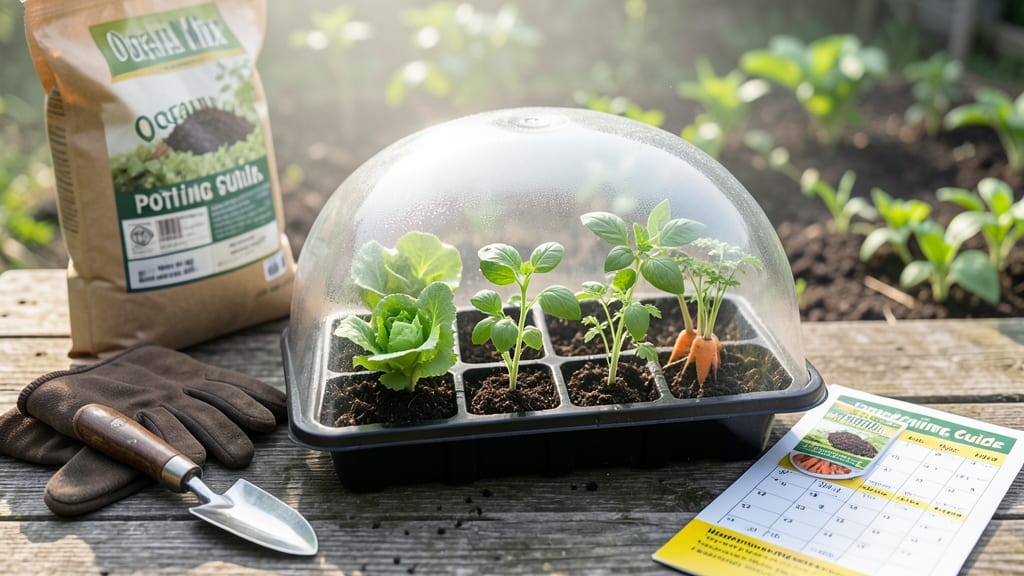
Starting a garden at the right time means planting cool-season crops like lettuce when soil reaches 40–50°F, while warm-season plants such as tomatoes need soil at 60–70°F. Always check your local frost dates and verify soil temperature with a thermometer.
Timing your garden planting isn't just about the calendar—soil temperature is the real game-changer. 🌱 Cool-season vegetables like spinach and kale actually prefer cooler ground, while heat-lovers such as peppers and cucumbers won't germinate until the earth warms up.
I've learned that even a 5°F difference can mean the difference between thriving seedlings and wasted effort. For most gardeners, this translates to planting cool crops in early spring or late summer, while warm-season plants get their start after the last frost date when daytime temperatures consistently stay above 60°F.
Beyond temperature, your region's frost patterns play a huge role. Areas with mild winters can start planting earlier, while colder climates might need to wait until late spring. A soil thermometer is your best friend here—it gives you precise data instead of guessing.
Pro tip: If you're eager to get started, consider using row covers or cold frames to protect tender seedlings from unexpected chills.
💡 In This Article
- Soil Temperature Rules for Different Plant Types
- How to Prepare Your Garden for Seasonal Planting
Soil temperature rules for different plant types
The key to successful planting lies in understanding how soil temperature affects seed germination and root development. Cool-season plants like lettuce, spinach, and peas actually prefer soil temperatures between 40–50°F, where they germinate quickly and grow steadily.
These plants thrive in cooler conditions because their metabolic processes slow down at higher temperatures, leading to bitter flavors or bolting (premature flowering). Warm-season crops, such as tomatoes, peppers, and cucumbers, demand 60–70°F soil to activate their germination enzymes—below this range, seeds often rot in the ground or sprout weakly.
Here's what's happening under the soil: At 40°F, cool-season seeds absorb moisture and swell, triggering enzymes that break down stored nutrients. Meanwhile, warm-season seeds remain dormant until soil reaches 60°F, where microbial activity increases, providing the nutrients needed for strong root development.
The difference is dramatic—tomato seeds may take 10–14 days to germinate at 50°F, while lettuce seeds sprout in just 3–5 days at the same temperature. 🌱 This is why timing matters so much: planting warm-season crops too early can result in leggy, weak seedlings that struggle to survive.
Regional adjustments are crucial because frost dates and seasonal shifts vary widely. In Zone 5, for example, you might plant cool crops in early April when soil hits 45°F, but wait until late May for tomatoes when soil reaches 65°F.
Conversely, in Zone 9, gardeners can start warm-season plants as early as February, thanks to milder winters. Always cross-reference soil temperatures with your local frost data—even a 10°F variation can turn a thriving garden into a failure.
What most gardeners overlook is how soil temperature fluctuates daily. Morning readings can be 10°F cooler than afternoon measurements, especially in sunny climates. For accurate planting times, take readings at 6 inches deep (where most roots grow) and average them over 3–5 days.
A simple soil thermometer costs under $10 and eliminates guesswork. Pro tip: Dark-colored mulch absorbs heat, raising soil temperatures by 2–5°F, which can accelerate germination for warm-season plants.
Even within plant categories, there are exceptions. Carrots, for instance, prefer soil between 55–65°F to prevent forked roots, while radishes tolerate 45°F soil. Herbs like cilantro thrive in 50–60°F but bolt in summer heat, while basil requires 70°F to flourish.
Understanding these nuances lets you fine-tune your planting schedule for maximum yield. For example, in my garden, I plant cilantro in early spring and again in late summer to avoid the 80°F+ temperatures that turn it bitter.
One advanced technique is using a seedling heat mat to raise soil temperature artificially, especially in cooler climates. These mats can increase germination rates by 30–50% for warm-season plants by maintaining 70–75°F soil temps.
Alternatively, black plastic mulch can raise soil temperatures by 5–10°F within days, creating a microclimate perfect for early planting. The trade-off? It also speeds up soil drying, so irrigation becomes critical. 💧
Remember: Soil temperature isn't just about planting—it's about survival. Seedlings planted in 50°F soil may struggle to establish roots, even if air temperatures are ideal. Always prioritize soil warmth over calendar dates, and don't hesitate to use tools like row covers or cold frames to buffer against temperature swings.
With the right approach, you can extend growing seasons and enjoy fresh produce year-round.