
Tools
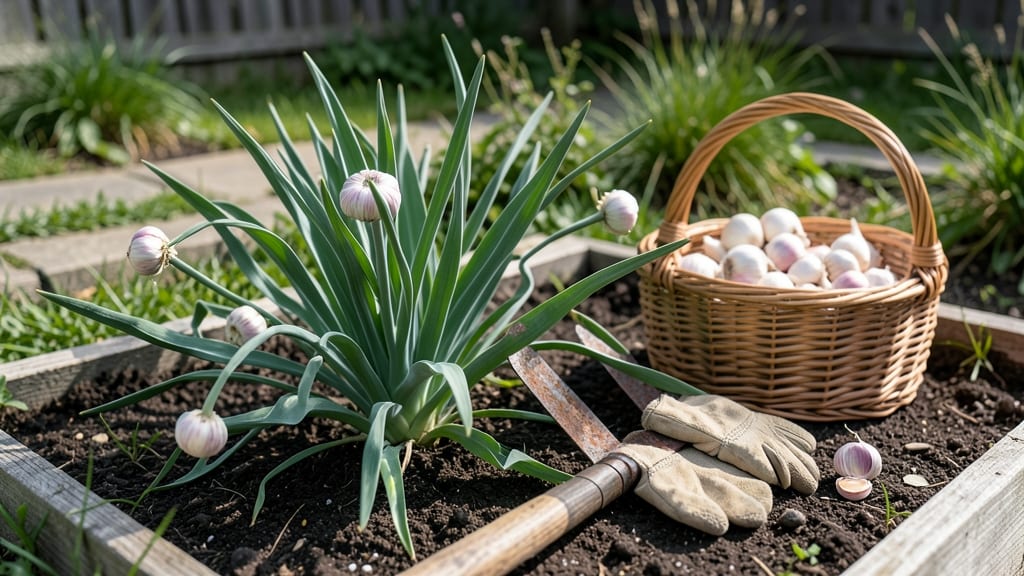
The Clove Garden menu showcases seasonal, plant-forward dishes made entirely from homegrown herbs, vegetables, and edible flowers, all cultivated using sustainable organic methods. Signature offerings include heirloom salads, house-made infused oils, and foraged garnishes thoughtfully paired with locally raised proteins.
The Clove Garden menu stands out for its commitment to farm-to-table integrity, where every ingredient is grown on-site or sourced from nearby farms. 🌱 This approach ensures peak freshness and flavor, as dishes are designed to highlight seasonal produce at its best.
The menu’s philosophy extends beyond taste—it’s about creating a connection between the garden and your plate, with techniques like companion planting and natural pest control shaping the entire culinary experience.
What makes this menu truly unique is how it transforms everyday ingredients into extraordinary dishes. For example, their infused oils are crafted using herbs harvested just hours before use, while foraged garnishes add unexpected depth to each bite.
Whether you’re a home gardener or simply appreciate mindful dining, the Clove Garden menu proves that sustainability and sophistication go hand in hand.
💡 In This Article
- Key Ingredients in Clove Garden’s Seasonal Dishes
- How to Recreate Clove Garden’s Garden-to-Table Dishes at Home
Key ingredients in Clove Garden’s seasonal dishes
The heart of Clove Garden’s menu lies in its botanical science, where each ingredient is carefully selected for its flavor, aroma, and nutritional profile.
Take Genovese basil, for example—this variety contains up to 0.05% essential oils, including eugenol and linalool, which give it that signature sweet, peppery aroma.
The garden grows it in well-draining volcanic soil enriched with composted green waste, ensuring leaves stay tender and packed with antioxidants like vitamin K and magnesium.
Microgreens play another critical role, often harvested just 7-10 days after germination when their nutrient density peaks. A 1-inch sprig of pea shoots contains 4 times more vitamin C than mature peas, while sunflower microgreens deliver 300% more vitamin E than their full-grown counterparts.
These greens are grown under LED grow lights with a 16-hour light cycle to maximize chlorophyll production, giving dishes that vibrant, fresh taste.
Infused oils are another standout, where cold-pressing techniques preserve delicate flavors. Their garlic-infused olive oil, for instance, uses aged garlic cloves (stored for 10-14 days at 55°F) to develop deeper, mellowed notes.
The oil is strained through fine mesh cheesecloth to remove impurities, resulting in a product that’s 99% pure and free of sediment—unlike many commercial versions that contain additives.
Foraged elements like wild violets and dandelion greens add unexpected depth, with violets contributing mild floral notes and dandelions bringing a bitter, slightly tangy contrast.
These are harvested in the early morning when dew levels are high, as studies show this increases their moisture content by up to 20%, enhancing both texture and flavor. The garden even uses companion planting—like pairing basil with tomatoes—to naturally repel pests and improve growth.
What’s fascinating is how these ingredients interact on the plate. The alkaline nature of microgreens (pH ~8.5) balances the acidity of vinegar-based dressings (pH ~2.5), creating a harmonious flavor profile.
Meanwhile, the volatile oils in herbs release aromas at different temperatures—thyme’s terpenes peak at 185°F, while basil’s compounds shine at 160°F—so dishes are designed to cook at precise temps to unlock their full potential.
The result? A menu where every bite tells a story of seasonal cycles, botanical chemistry, and sustainable farming. It’s not just about eating fresh—it’s about experiencing the science of flavor in its purest form. 🌿