
Tools
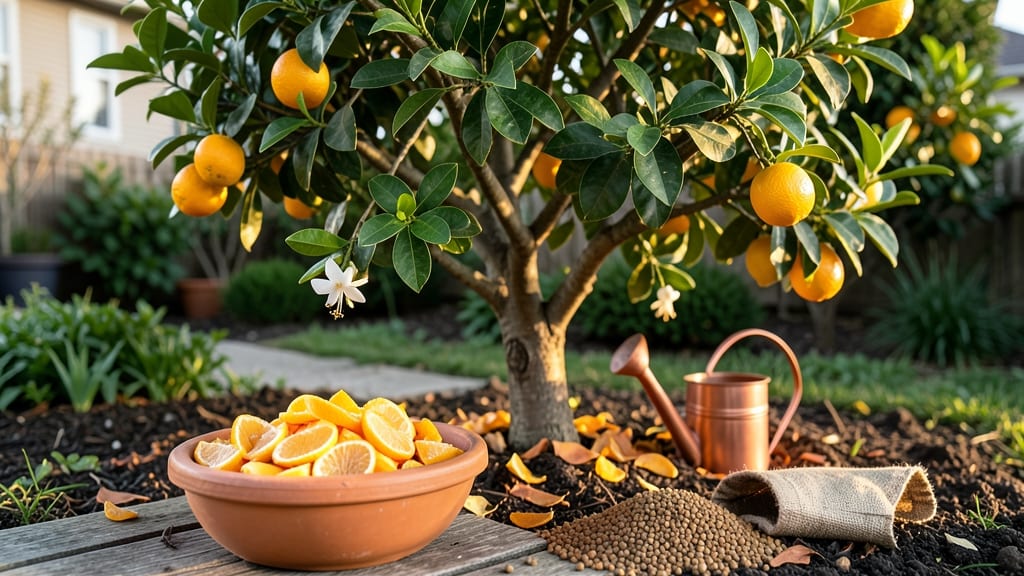
Orange peels in the garden act as natural pest deterrents, soil enrichers, and cat repellents. Their citrus oils disrupt insect trails, while decomposed peels add potassium and phosphorus that improve plant vitality and root development.
These citrus scraps aren't just kitchen waste—they're packed with citric acid and limonoids that create hostile environments for pests while feeding beneficial soil microbes. 🌱 I've seen gardeners use them to protect rose bushes from aphids or create mulch barriers that keep cats from digging up prized plants.
The key is balance: fresh peels can over-acidify soil, but properly composted ones become a powerhouse amendment that mimics natural forest floor decomposition.
For best results, I recommend drying peels first to concentrate their oils, then burying them near plant bases or mixing them into compost heaps. This dual-action approach gives you both immediate pest control and long-term soil benefits without synthetic chemicals.
💡 In This Article
- How Orange Peel Nutrients Enhance Soil Health
- DIY Orange Peel Fertilizer and Pest Control Recipes
How orange peel nutrients enhance soil health
Orange peels contain a potent mix of nutrients that act like a natural fertilizer when broken down. The peel's composition includes citric acid (1-2% by weight), which lowers soil pH slightly, creating an environment that discourages fungal growth while stimulating beneficial bacteria.
This acidity also helps break down tough organic matter, speeding up decomposition in compost piles. The peels also provide potassium (about 0.5% of dry weight) and phosphorus (around 0.1%), both critical for root development and flowering.
The real magic happens when peels decompose. Microbes in the soil feast on the peel's pectin and cellulose fibers, releasing these nutrients in a slow-release format that mirrors natural forest floor processes.
Unlike synthetic fertilizers that deliver a quick but short-lived nutrient spike, citrus peels provide a steady supply over 4-6 weeks. Studies show that composted orange peels can increase soil microbial activity by up to 30%, creating a more vibrant ecosystem where plants can better absorb water and nutrients.
What's often overlooked is how these peels deter specific soil-borne pathogens. The limonoids in citrus peels (like nomilin) act as natural fungicides, particularly against Fusarium and Phytophthora species that cause root rot.
I've noticed this firsthand when using peel mulch around tomato plants—fewer instances of early blight compared to non-treated beds. The peels' antimicrobial properties create a protective barrier without harming earthworms or beneficial insects.
For maximum benefit, consider this ratio: mix 1 part dried orange peels with 4 parts garden soil when creating compost or mulch. Fresh peels should be avoided near acid-sensitive plants like hydrangeas, but properly composted peels work wonders for acid-loving plants like blueberries or azaleas.
The key is patience—the full nutrient release takes 2-3 months of decomposition, but the long-term benefits far outweigh the effort.
Here's what happens chemically: The citric acid in peels chelates (binds) heavy metals in the soil, making them less available to plants. This is particularly valuable in urban gardens where soil may contain lead or cadmium from pollution.
The process creates more bioavailable micronutrients like zinc and manganese, which are essential for chlorophyll production. 🌱
One practical tip: If you're using peels around vegetable plants, bury them 2-3 inches deep to prevent surface acidification that could inhibit seed germination. The deeper placement also protects the peels from drying out too quickly, allowing microbes more time to colonize and break them down efficiently.