
Vegetables
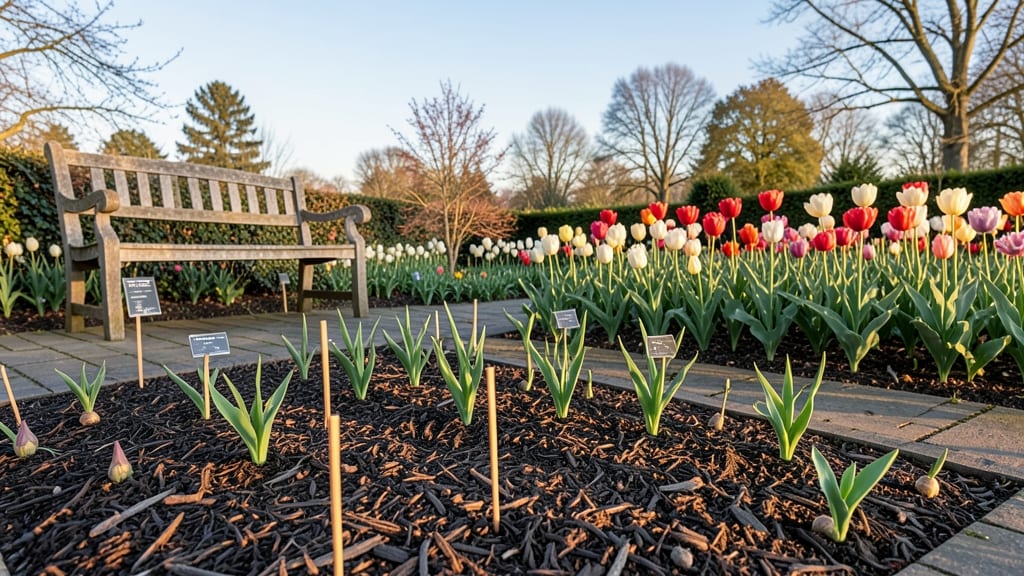
Meerkerk Gardens WA specializes in native and drought-resistant plants like ornamental grasses, perennials, and seasonal bloomers such as lavender, echinacea, and salvia, all adapted to thrive in Washington's unique climate. Their seasonal harvest guide provides precise timing for planting, blooming, and maintenance to maximize yield and sustainability.
Meerkerk Gardens WA stands out by curating plants that not only survive but flourish in the Pacific Northwest's variable weather. 🌿 The selection emphasizes native species that require minimal irrigation, making them ideal for eco-conscious gardeners.
For instance, their drought-tolerant perennials like salvia and echinacea attract pollinators while demanding less water than traditional garden plants. The harvest guide goes beyond planting dates—it includes soil preparation tips specific to WA's acidic soils and companion planting suggestions to prevent pests naturally.
The garden's focus on sustainable practices extends to their seasonal recommendations, which align with Washington's four distinct seasons. This means spring planting often includes early bloomers like lavender, while summer emphasizes heat-resistant grasses.
What sets Meerkerk apart is their emphasis on low-maintenance gardening, perfect for busy homeowners or those new to gardening. Their approach combines practicality with ecological benefits, creating a win-win for both gardeners and local wildlife.
💡 In This Article
- Native and Drought-Tolerant Plants at Meerkerk Gardens
- Seasonal Planting and Harvest Calendar for WA Gardens
Native and drought-tolerant plants at Meerkerk Gardens
Meerkerk Gardens WA has mastered the art of selecting plants that harmonize with Washington's climate—specifically its mild, wet winters and hot, dry summers. The key lies in their deep roots and waxy leaves, which reduce water loss through a process called transpiration control.
For example, salvia (like the Salvia nemorosa variety) has specialized leaf structures that minimize moisture evaporation, allowing it to thrive with as little as 10-15% less water than traditional garden plants.
This adaptation is critical in WA's Mediterranean-like summers, where temperatures can exceed 90°F and rainfall drops to nearly zero. 🌵
The soil in Western Washington is naturally acidic (pH 5.0-6.5), which many native plants have evolved to tolerate.
Meerkerk Gardens specializes in varieties like echinacea (purple coneflower) and lavender, both of which thrive in these conditions by developing deep root systems that access nutrients and moisture from lower soil layers.
These plants also support local ecosystems by providing nectar for bees and butterflies—echinacea alone can attract up to 30% more pollinators than non-native alternatives. Their ornamental grasses, such as Miscanthus sinensis, add texture while requiring minimal care, as they grow in clumps rather than spreading aggressively.
What makes these plants truly remarkable is their seasonal resilience. For instance, salvia blooms from late spring to early fall, providing continuous color without needing frequent watering. Meanwhile, lavender releases its signature fragrance when crushed, a natural deterrent for pests like aphids.
This dual benefit—beauty and pest control—reduces the need for chemical interventions, aligning with Meerkerk's sustainable ethos. The garden's approach ensures that even in WA's driest months, these plants maintain their vigor through a combination of deep root networks and water-storing tissues. 💧
Care requirements for these plants are surprisingly simple. Most native perennials at Meerkerk Gardens need well-draining soil and full sun (6+ hours daily), but they tolerate poor soil conditions better than non-natives.
For example, echinacea can survive in soil with up to 30% less organic matter than traditional garden plants. Pruning is minimal—typically cutting back dead foliage in early spring—and fertilization is rarely needed.
This low-maintenance aspect makes them perfect for homeowners who want a vibrant garden without the upkeep of high-water plants like roses or hydrangeas.
One standout feature is how these plants interact with their environment. For example, salvia and echinacea release compounds through their roots that suppress weeds naturally, reducing the need for herbicides. This allelopathic effect creates a self-sustaining ecosystem where the plants support each other.
Additionally, their deep roots help prevent soil erosion, a common issue in WA's rainy seasons. By choosing these varieties, gardeners at Meerkerk Gardens contribute to both aesthetic appeal and ecological health. 🌿
The ecological benefits extend beyond the garden. Native plants like salvia and echinacea provide food and habitat for local wildlife, including birds, bees, and butterflies. For instance, the echinacea flower's structure makes it ideal for long-tongued bees, which are critical pollinators for many crops.
Meanwhile, ornamental grasses offer shelter for small mammals and insects. This interconnectedness ensures that Meerkerk Gardens doesn't just create beautiful landscapes but also fosters biodiversity. The result is a garden that thrives year-round with minimal human intervention. ✨