
Advice
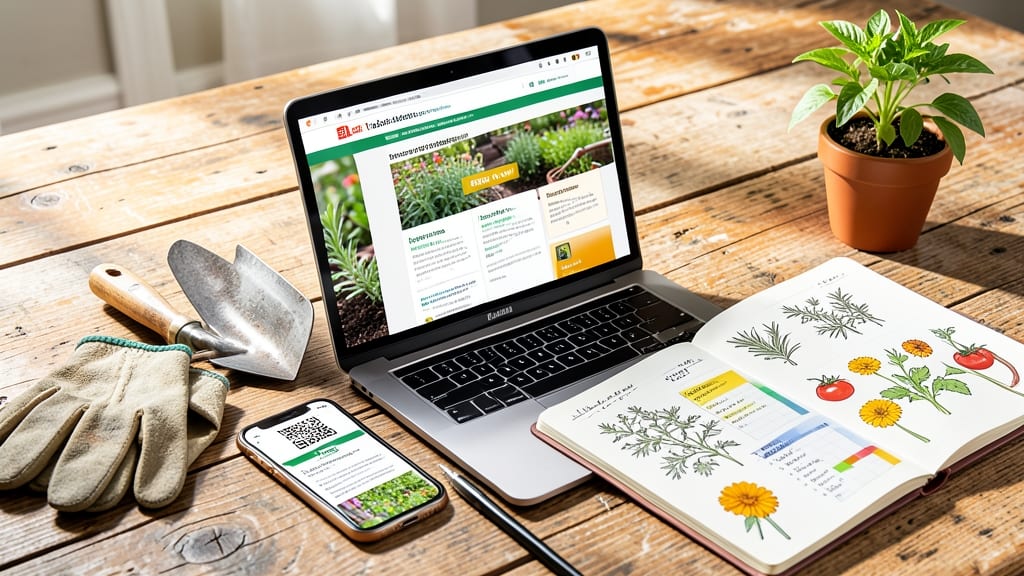
Online free master gardener courses are available through university extension programs and nonprofit organizations, providing certification after completing coursework, passing exams, and fulfilling volunteer service requirements. Prioritize accredited options from land-grant universities or USDA-approved providers to guarantee quality.
These programs typically combine self-paced online modules with hands-on learning requirements, ensuring you gain both theoretical knowledge and practical skills. 🌱 Many accredited courses require 30-50 hours of volunteer service in community gardening or education projects, which helps solidify your understanding while giving back.
The beauty of these online options is they maintain the same rigorous standards as in-person programs, often with added flexibility for busy learners.
One standout benefit is the access to regional gardening expertise—many programs partner with local agricultural extensions to tailor content for your climate and soil conditions. For example, a course from Penn State will focus on Mid-Atlantic gardening challenges, while Texas A&M's program addresses Southwest-specific needs.
This localized approach makes the certification particularly valuable for home gardeners and landscapers.
💡 In This Article
- How Free Online Master Gardener Programs Work
- Top Legitimate Free Online Gardening Certification Options
How free online Master Gardener programs work
The foundation of these programs lies in university extension services—branches of land-grant universities that deliver research-based gardening education to the public. These extensions, like those from Penn State or University of California, partner with nonprofit organizations to create accessible online courses while maintaining academic rigor.
The programs typically follow a three-phase structure: coursework, exams, and volunteer service, mirroring traditional Master Gardener programs but with digital flexibility.
Coursework often consists of 8-12 modules covering botany, soil science, pest management, and sustainable gardening practices. For example, Cornell's online modules include interactive quizzes and case studies that require 40-60 hours to complete.
What sets these apart is the integration of regional data—like USDA Plant Hardiness Zone maps—so you learn climate-specific solutions. The exams, usually proctored online, test both factual knowledge and practical application, such as diagnosing plant diseases from photos.
Volunteer hours, typically 30-50 hours, are where theory meets community impact. These might involve leading workshops at local schools, maintaining community gardens, or assisting at farmers' markets. This hands-on requirement ensures you develop real-world skills while giving back—a core principle of the Master Gardener movement.
The volunteer component also creates networking opportunities with local agricultural experts, which can be invaluable for aspiring gardeners or landscapers.
What most people don't realize is how these programs leverage technology to maintain quality control. Many use learning management systems (like Moodle) that track your progress in real-time, ensuring you grasp complex topics before moving forward.
For instance, soil science modules might include virtual lab simulations where you analyze soil samples digitally. This tech integration makes the programs accessible to anyone with an internet connection, regardless of their location.
One key advantage of online programs is their ability to update content quickly. Traditional in-person courses might take years to revise materials, but digital platforms can incorporate the latest research—like new organic pest control methods or climate-adaptive planting techniques—within months. This ensures you're learning the most current, science-backed practices available.
However, there's a critical distinction between these free programs and for-profit online gardening courses. Accredited Master Gardener programs require affiliation with a land-grant university or USDA-approved organization, guaranteeing that your certification holds weight with employers and gardening communities.
The volunteer requirement also sets them apart—it's not just about passing an exam, but demonstrating your commitment to gardening education and community service.
For those wondering about the time commitment, most participants complete the coursework in 3-6 months, balancing studies with their existing schedules. The self-paced nature means you can focus more during growing seasons or take breaks during winter months.
This flexibility, combined with the free cost, makes these programs an exceptional value for anyone serious about gardening.