
How To
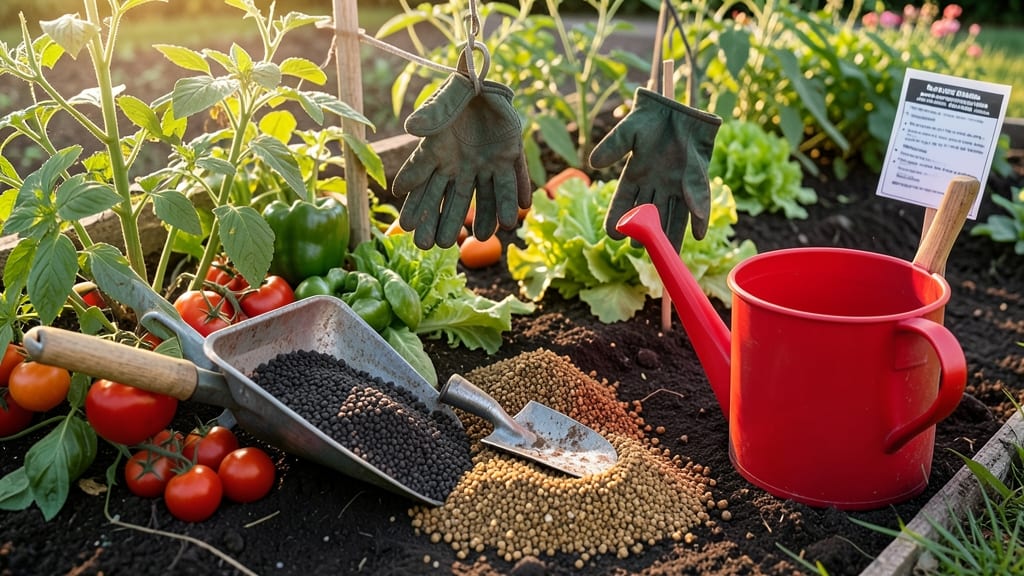
To fertilize your vegetable garden properly means feeding plants every 4 to 6 weeks during the growing season—timing that keeps roots healthy and yields bountiful.
Wondering why your 🥬 garden isn’t thriving? The answer might be in your fertilization schedule—overdoing it can burn roots, while underdoing it starves plants. Here’s the science-backed guide to fertilizing your garden just right for maximum yield without waste.
Most vegetables need a balanced approach, but heavy feeders like tomatoes and peppers demand more frequent care, while lettuce and carrots prefer a lighter touch. The key is matching your schedule to the crop’s needs and the season’s demands.
Below, I break down the exact timing for spring, summer, and fall, plus how to spot when your plants are begging for nutrients—or when you’ve given them too much.

Seasonal fertilization schedule for vegetable gardens by crop type
Fertilizing your vegetable garden isn’t a one-size-fits-all task—different crops need specific nutrients at key growth stages. Leafy greens, fruiting plants, root vegetables, and herbs all respond best to tailored fertilization schedules.
For example, lettuce and spinach thrive with nitrogen-rich feedings, while tomatoes and peppers demand potassium for fruit development. Understanding these needs ensures you’re not wasting fertilizer or starving your plants.
Seasonal timing is critical—spring kickstarts growth, summer sustains production, and fall preps plants for dormancy. Organic fertilizers like compost or fish emulsion release nutrients slowly, while synthetic options provide quick fixes.
My go-to rule: fertilize lightly at planting, then every 4-6 weeks during active growth. Adjust based on your crop’s category—root veggies need less frequent feeding than fruiting plants.
For leafy greens, focus on nitrogen in spring and early summer to fuel rapid leaf growth.
I’ve found that compost tea or a 10-5-5 synthetic fertilizer works wonders—just avoid overdoing it, or your greens will taste bitter. Fruiting plants like tomatoes and peppers, on the other hand, need potassium to develop sweet, robust fruit. A 5-10-10 fertilizer applied every 3 weeks in summer keeps them thriving.
Root vegetables like carrots and potatoes are the most low-maintenance when it comes to fertilizer. Too much nitrogen diverts energy to leaves instead of roots, so a light feeding at planting with worm castings is all they need. Herbs, like basil and parsley, prefer balanced nutrition and respond well to fish emulsion every 4-5 weeks. The key is moderation—herbs can become leggy if over-fertilized.
Organic options like compost, manure tea, or seaweed extract are my favorites because they improve soil health long-term. Synthetic fertilizers, however, offer quick nutrient spikes for plants in need of a boost.
For example, if your tomatoes show signs of blossom end rot (a calcium deficiency), a potassium-rich synthetic fertilizer can help. Always water thoroughly after applying fertilizer to prevent root burn.
Timing matters just as much as what you fertilize with. In spring, focus on planting-time feedings to jumpstart growth. By summer, most crops need regular maintenance feedings every 3-4 weeks.
In fall, scale back—light feedings for late-season crops like kale or radishes are enough. Winter is the time to skip fertilization entirely and let the soil rest.
One common mistake I see is over-fertilizing in late summer, which can lead to excessive foliage at the expense of fruit or roots. For instance, peppers grown for their fruit will produce fewer harvests if you keep adding nitrogen-heavy fertilizer.
Instead, switch to a potassium-focused feed in late summer to encourage fruit ripening. Always monitor your plants for signs of
Signs your vegetable garden needs fertilizer (and when to stop)
Your vegetable garden sends clear signals when it's hungry for nutrients. Yellowing leaves, especially on older foliage, often indicate a nitrogen deficiency. Meanwhile, purple or red stems or slow growth can mean your plants are craving phosphorus or potassium.
These signs aren’t just random—they’re your plants begging for a nutrient boost.
Another red flag is stunted growth or small, pale leaves. If your tomatoes are producing tiny fruit or your peppers refuse to ripen, your soil may be nutrient-depleted.
Even weak stems that struggle to support heavy produce (like cucumbers or squash) scream for fertilizer. Ignoring these cues can lead to poor yields or even plant collapse.
⚠️ callout warning
Applying fertilizer more than every 4-6 weeks during the growing season (spring to early fall) can burn roots and harm your plants. Signs of over-fertilization include:
- Brown leaf tips or crispy edges
- White crust on soil surface
- Excessive leafy growth with few flowers/fruit
For vegetable gardens, stick to a balanced 10-10-10 NPK ratio and always water deeply after fertilizing to prevent salt buildup.
Not all nutrient deficiencies are created equal. For example, leafy greens like lettuce or spinach often need more nitrogen to stay vibrant, while tomatoes and peppers benefit from higher potassium for fruit production. Pay attention to which plants show signs first—this can help you target specific nutrients without overdoing it.
If your plants show no signs of distress but growth has slowed, it might be time for a soil test. Healthy soil naturally releases nutrients over time, so light feedings every 6-8 weeks may be enough for established plants.
For newly planted vegetables, a gentle starter fertilizer at planting time can give them the boost they need.
Knowing when to stop fertilizing is just as important as when to start. Once your plants enter dormancy in late summer or fall, they don’t need extra nutrients.
Similarly, overwintering crops like kale or carrots only need a light feeding in early fall—no more until spring. Skipping winter fertilization prevents root burn and waste.
Pro tip: Compost or well-rotted manure can replace synthetic fertilizers for many vegetables, providing slow-release nutrients. Mix it into the soil at planting time or top-dress around plants in early spring. This organic approach reduces the risk of over-fertilization while keeping your garden thriving.