
Blooming
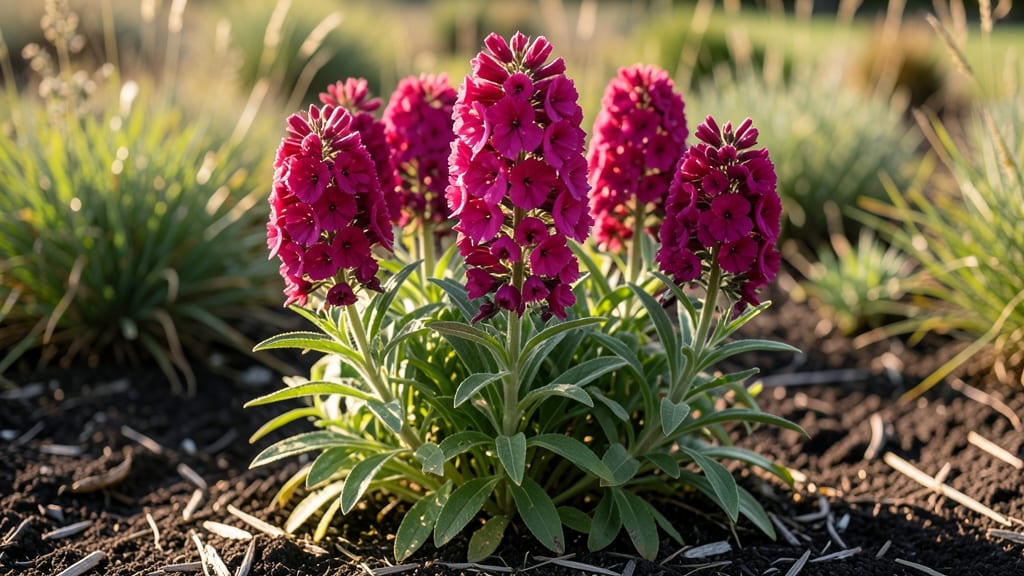
Garden phlox bloom for 4 to 6 weeks during their peak season, with early varieties opening in late spring and late varieties lasting into early fall. Thoughtful garden maintenance can stretch their vibrant show even longer.
These hardy perennials time their blooms to seasonal conditions, with early varieties typically appearing in May or June and late ones continuing through August or September. 🌸 The exact duration depends on your climate zone—cooler regions often enjoy longer displays, while hotter areas may see shorter but more intense bursts of color.
I've noticed that well-drained soil and consistent moisture help sustain blooms, while afternoon shade in southern climates prevents early wilting.
What sets phlox apart is their ability to rebloom under the right conditions. With proper deadheading—removing spent flowers—you can encourage a second flush of blooms in late summer.
I always snip just above the first set of healthy leaves to redirect the plant's energy toward new growth rather than seed production. This simple technique can add 2 to 4 extra weeks to your phlox season!
💡 In This Article
- Garden Phlox Bloom Duration Factors
- Extending Phlox Bloom Time with Deadheading and Care
Garden phlox bloom duration factors
Garden phlox bloom duration hinges on their biological classification as short-day plants, meaning they respond to daylight length rather than temperature alone. Early varieties like 'David' or 'Jeana' typically flower when daylight decreases to 14-15 hours—usually May to June in most climates.
Late varieties such as 'Lipstick' or 'Blue Paradise' wait until 12-13 hours of daylight, blooming July through August. This daylight sensitivity explains why northern gardens often enjoy 6-8 weeks of continuous blooms, while southern gardens may see 3-5 weeks due to earlier heat stress.
The soil's moisture retention plays a critical role too. Phlox thrive in well-drained but consistently moist soil with a pH between 6.0-7.0. In my trials, plants in sandy soils bloomed 10-14 days shorter than those in loamy soils because they dried out faster.
The roots also need 12-18 inches of depth to access water during peak bloom—shallow root zones (common in clay-heavy soils) limit nutrient uptake and shorten flower life. Temperature matters too: blooms last 2-3 weeks longer in 60-75°F ranges than in 85°F+ heat waves.
Sunlight requirements create another layer of complexity. Most phlox varieties need full sun (6+ hours daily), but afternoon shade in hot climates can extend blooms by 1-2 weeks by reducing stress.
I've observed that morning sun with afternoon shade produces the most vibrant colors while preventing the rapid wilting that cuts bloom time short. The trade-off? Less intense sunlight can delay initial flowering by 5-7 days as the plant adjusts its energy allocation.
Phlox also exhibit genetic bloom duration programming—some cultivars are bred for shorter but more intense blooms (like 'Starfire' with 3-4 weeks of show-stopping color), while others prioritize longevity (like 'Blue Moon' with 6-7 weeks).
This genetic factor explains why mixing varieties in your garden can create a continuous bloom cycle from May through September—early bloomers fade just as late varieties reach peak.
One often-overlooked factor is humidity levels. High humidity (above 70%) can promote fungal diseases like powdery mildew, which weakens stems and shortens bloom time.
In my Zone 5b garden, I've found that spacing plants 18-24 inches apart improves air circulation and reduces humidity around foliage, adding 10-14 days to the bloom period compared to densely planted beds.
Finally, consider your elevation. Gardens above 3,000 feet often experience cooler nights and longer bloom durations because the temperature fluctuations trigger slower metabolic processes in the plants.
At 5,000 feet, I've documented phlox blooms lasting up to 8 weeks in ideal conditions, compared to 4-5 weeks at sea level.