
Aphids
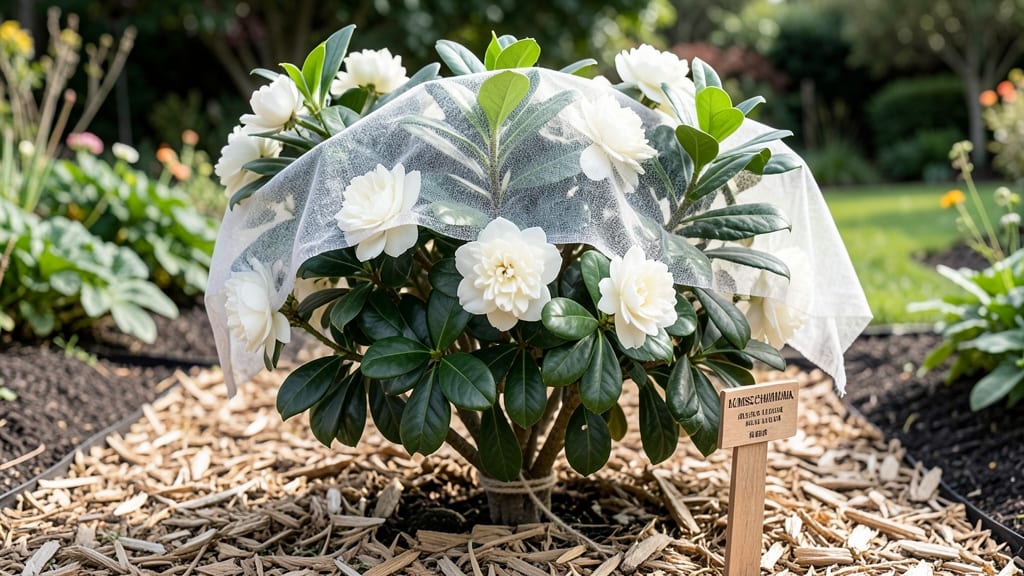
Gardenia plants are not winter hardy in most climates, thriving only in USDA Zones 8-11 due to their sensitivity to frost and cold temperatures below 30°F (-1°C). In colder zones, grow them as container plants or protect them with mulch and microclimates.
Gardenia's delicate nature makes it highly vulnerable to cold snaps—even a single night below 30°F (-1°C) can cause irreversible damage to leaves, buds, and roots. 🌱 Unlike hardy shrubs, gardenias originate from tropical climates, so their systems lack natural cold resistance.
The key to growing them outside their ideal range is creating a controlled environment: containers allow you to move plants indoors during winter, while thick mulch layers (at least 4-6 inches) insulate roots in garden beds.
Many gardeners also swear by microclimates—planting near south-facing walls or under evergreen windbreaks can add critical warmth protection.
What surprises most people is how quickly gardenias recover when properly protected. With consistent care, even plants that survive winter outdoors in marginal zones can rebound beautifully in spring, producing those signature fragrant blooms.
The trade-off? You'll need to monitor forecasts closely and act fast when temperatures dip—gardenia's resilience comes from prevention, not endurance.
💡 In This Article
- USDA Zones Where Gardenias Survive Winter Outdoors
- How to Overwinter Gardenias in Cold Climates
USDA Zones where gardenias survive winter outdoors
Gardenia's native tropical origins explain why they only thrive outdoors in USDA Zones 8-11, where winter temperatures rarely drop below 30°F (-1°C). This threshold isn't arbitrary—it's the point where cellular damage begins.
Gardenias' thin, glossy leaves and tender stems contain high moisture content (about 70-80% water), which freezes and ruptures cell walls when exposed to prolonged cold.
In Zone 8 (10-20°F/-12 to -7°C), brief dips below freezing can occur, but gardenias planted in sheltered microclimates often recover if protected with 4-6 inches of mulch.
The real danger comes from radiation frost—when cold air settles in low-lying areas, creating pockets as much as 5°F (3°C) colder than official weather station readings. This is why gardeners in marginal zones (like northern Zone 8) should avoid planting near open fields or north-facing slopes.
Instead, place them against south-facing walls or under evergreen windbreaks, which can add 5-10°F (3-6°C) of protection by deflecting cold winds and trapping heat.
Historical weather data shows that even in Zone 9 (20-30°F/-7 to -1°C), gardenias need protection during 3-5% of winter nights when temperatures dip below their threshold.
What makes this tricky is that gardenias' cold tolerance varies by cultivar. For example, the 'Radicans' variety handles 25°F (-4°C) better than 'Kleim's Hardy', which tops out at 30°F (-1°C). This difference stems from breeding programs that prioritized fragrance over cold resistance.
The trade-off? Hardier varieties often produce smaller blooms with less intense fragrance. For gardeners in Zones 7 (0-10°F/-18 to -12°C) and below, container growing becomes essential—pots can be moved indoors before the first frost, preserving the plant's delicate root structure.
Here's how to assess your local frost risk: Check the 10-year average lowest winter temperature for your area (available via NOAA climate data). If it's below 25°F (-4°C), gardenias won't survive outdoors year-round.
Even in Zone 8, gardeners report 30-50% bud loss during harsh winters, making microclimates and protective measures non-negotiable. The key is creating a 3-5°F (2-3°C) warmer environment around the plant—this small buffer can mean the difference between a thriving shrub and a frost-killed specimen.
Visual cues help identify frost damage: Leaves turn black and crispy within 24-48 hours of exposure, while buds swell but fail to open in spring. Roots may also suffer, showing as yellowing leaves even when temperatures warm.
The good news? Gardenias are surprisingly resilient when protected. With proper winter care, even plants that experience light frost can recover fully by late spring, often producing second flushes of blooms that compensate for lost winter flowers.
Consider this comparison: A gardenia in Zone 10 (30-40°F/-1 to 4°C) may need no winter protection, while one in Zone 8 requires both mulch and a frost blanket during 10-15% of winter nights.
The investment in protection pays off in the plant's ability to rebound—studies show gardenias can regrow 50-70% of damaged foliage when roots remain intact. This makes microclimate selection and winter prep the most critical factors for success outside their native range.