
Light Requirements
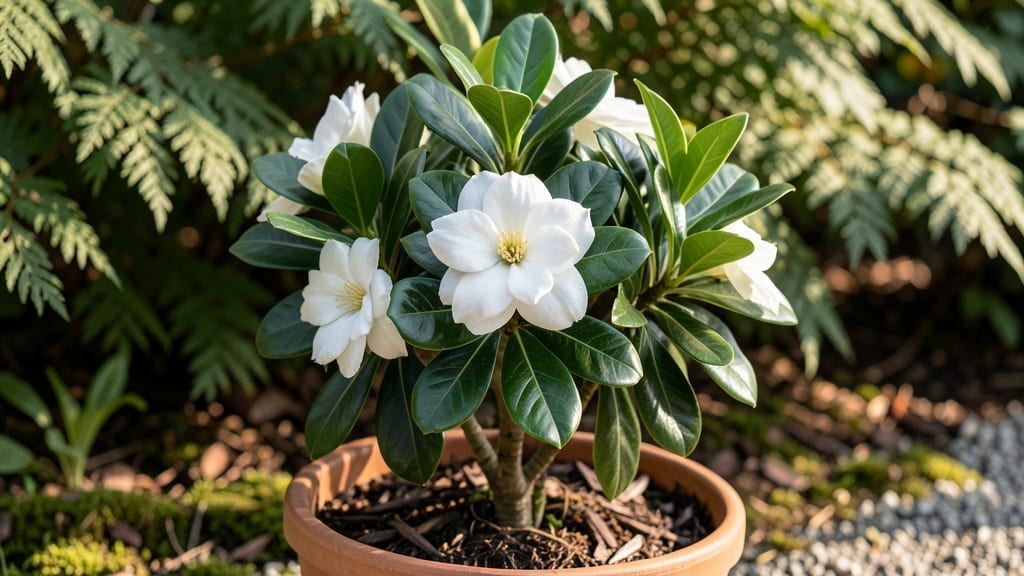
Understanding the gardenia sunlight requirements is essential for coaxing those fragrant white blooms and glossy leaves—bright, indirect light for 4-6 hours daily is the key.
Struggling to keep your gardenia blooming? The secret isn’t just water or soil—it’s mastering its sunlight needs. Too much direct sun scorches delicate leaves, while too little dims those fragrant flowers.
Most gardeners assume they need full sun, but these tropical shrubs actually thrive in dappled light, like under a sheer curtain or beneath deciduous trees. In USDA Zone 6a, morning sun paired with afternoon shade is ideal.
Here’s how to balance light for a gardenia that thrives year after year—plus how to spot and fix signs of light stress before they ruin your plant.

How much sun does a gardenia need daily?
If you’ve ever watched your gardenia’s leaves turn crispy or its buds drop before blooming, you’re likely dealing with sunlight stress. Gardenias thrive in 4-6 hours of dappled sunlight daily, but their delicate leaves can’t handle the harsh midday rays.
Unlike sun-loving plants, gardenias prefer morning sun and afternoon shade—think of it as their version of a gentle sunbath.
Too much direct sun causes leaf burn (brown, papery edges) and sparse blooms, while too little light leads to yellowing leaves and leggy growth. The key is mimicking their natural habitat under tropical tree canopies, where sunlight filters through leaves.
This balance ensures your gardenia stays lush, fragrant, and blooming season after season.
🌸
| Factor | Ideal Condition | Signs of Stress |
|---|---|---|
| Daily Sunlight | 4-6 hours of dappled light (morning sun + afternoon shade) | Yellowing leaves, leaf burn, sparse blooms |
| Best Light Type | Bright indirect light (e.g., east-facing window, 50% shade cloth) | Stunted growth, pale leaves, no flowers |
| Summer Adjustments | Move to partial shade (30-50% shade cloth) after 10 AM | Crispy leaf edges, wilting, bud drop |
| Winter Adjustments | Maximize south-facing light (if indoors) or supplement with grow lights | Leggy stems, few buds, weak growth |
| Danger Zone | Full sun (>6 hours direct) or deep shade (<3 hours light) | Leaf scorch, no blooms, plant decline |
Gardenias in USDA Zones 8-10 can handle slightly more sun outdoors, but even they need afternoon shade during peak summer months. If you’re in Zones 6-7, treat them like indoor plants—place them near an east-facing window or under a 50% shade cloth when temperatures rise above 85°F.
One common mistake is assuming gardenias love full sun like roses or lavender. In reality, their thick, waxy leaves are adapted to filter sunlight, not absorb it directly. Think of them as the divas of the plant world—they demand just the right stage lighting to perform their best.
🪴
To test your gardenia’s light conditions, observe its leaves for 3-5 days. If the top leaves are bright green and the bottom ones yellowing, it’s getting too much light.
Conversely, if all leaves are pale and sparse, it needs more brightness. Adjust gradually—sudden changes can shock the plant and cause bud drop.
In summer, I move my potted gardenias to a spot where they get morning sun until 10 AM and then shift them under a shade sail for the rest of the day.
For winter care, I rotate containers weekly to ensure even light exposure, especially if they’re indoors near a south-facing window.
🌿
Pro tip: If your gardenia isn’t blooming, check its light first. Low light = no flowers, while too much light = stressed leaves. The sweet spot is 4-6 hours of filtered sunlight, which encourages both healthy foliage and fragrant blooms.
With the right light balance, your gardenia will reward you with glossy leaves and clusters of intoxicating white flowers all season long.
☀️
Best locations for gardenias based on sunlight availability
Finding the perfect spot for your gardenia isn’t just about avoiding harsh sunlight—it’s about creating a microclimate that mimics its natural tropical habitat. In urban settings, this might mean placing your plant near an east-facing window where morning sun gently filters through.
Rural gardens offer more flexibility, but even there, you’ll need to shield your gardenia from afternoon sun that can cause leaf burn.
Gardenias thrive in dappled sunlight, which is why locations under deciduous trees work beautifully. The tree canopy naturally filters light, while still allowing enough brightness for blooming. For container gardeners, patio shade cloths (30-50%) are a game-changer, giving you control over light intensity without sacrificing aesthetics.
🌿
Best Locations for Gardenias
East-Facing Window
- ✅ Morning sun (6 AM–12 PM)
- ✅ No afternoon heat stress
- ✅ Indoor-friendly for apartments
Under Deciduous Trees
- ✅ Natural dappled light
- ✅ Seasonal shade adjustment
- ✅ Moisture retention from leaf litter
Patio with Shade Cloth
- ✅ Adjustable shade (30-50%)
- ✅ Outdoor flexibility
- ✅ Protects from wind
Containers with Grow Lights
- ✅ Controlled light for low-light areas
- ✅ Portable for seasonal moves
- ⚠️ Requires LED grow lights (12-14 hrs/day)
If you’re in an urban apartment with limited natural light, grow lights can supplement your gardenia’s needs. LED grow lights (12-14 hours daily) mimic sunlight without overheating, making them ideal for north-facing windows or basements.
Just position the light 12–18 inches above the plant and adjust as it grows to avoid stretching.
For rural gardeners, seasonal adjustments are key. In summer, gardenias under trees may need additional shade during peak hours (12–4 PM), while winter’s weaker sun might require moving containers closer to windows or extending grow light use.
Always monitor your plant’s leaf color—dark green means it’s happy, while pale or yellowing leaves signal light issues.
Pro tip: Use a light meter (or your phone’s lux app) to check light levels. Gardenias thrive at 1,000–2,000 lux—any lower, and blooms will suffer. In shady spots, supplement with reflective surfaces (mirrors or white walls) to bounce extra light onto the plant.
🌳