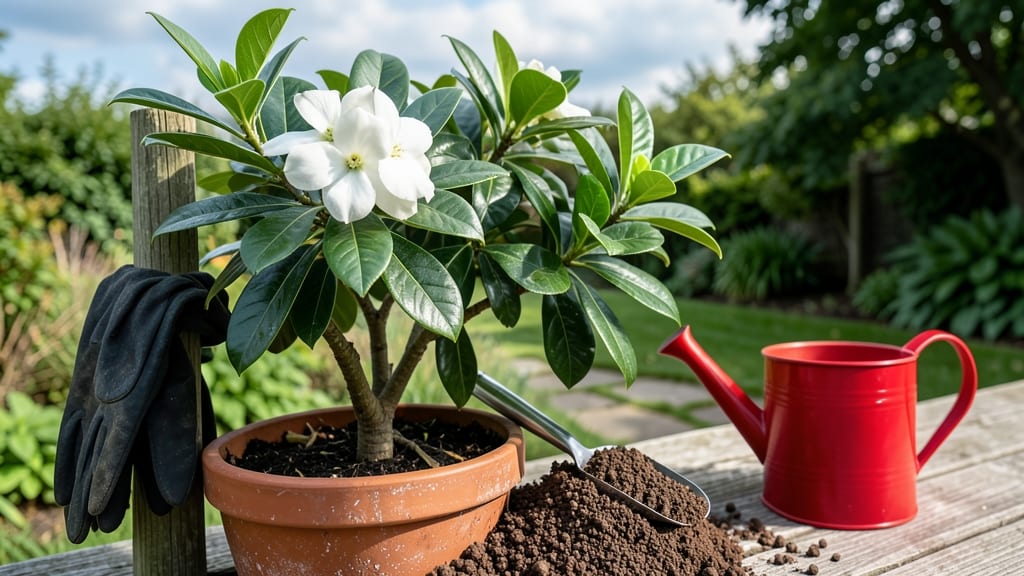
Fertilizing gardenia flowers with the right acid-loving gardenia flower fertilizer is the key to unlocking their signature fragrance and lush blooms 🌸 — and most gardeners are doing it wrong.
Picture this: You’ve nurtured your gardenia for months, but when summer arrives, you’re left with sparse, weak flowers that barely perfume the air. The problem isn’t your green thumb—it’s the fertilizer. Gardenias crave acidic, nutrient-rich soil, and generic feeds can actually stunt their growth or even kill them.
In this guide, I’ll walk you through the best fertilizers for gardenias—whether you prefer organic options like cottonseed meal or synthetic blends—and exactly when to apply them. You’ll also learn how to spot over-fertilization (yellow leaves, anyone?) and keep your plant thriving in USDA Zone 6.
By the end, you’ll know the simple, science-backed routine that turns lackluster gardenias into fragrant showstoppers. Let’s get started.
Best acid-loving fertilizers for gardenia flowers and how they work
Your gardenias crave the same acidic soil conditions that blueberries thrive in—pH 5.0 to 6.5—to unlock their full fragrant potential. Without the right fertilizer, you’ll see fewer blooms and duller leaves, no matter how much you water.
The key lies in nitrogen-phosphorus-potassium (NPK) ratios tailored for acid-loving plants, plus micronutrients like iron and magnesium to prevent yellowing leaves.
Most gardeners make two critical mistakes: using high-nitrogen lawn fertilizers (which promote leafy growth at the expense of flowers) or neglecting micronutrient deficiencies that stunt blooms.
Acid-loving fertilizers like iron sulfate, peat moss, and citrus-based feeds aren’t just about pH—they deliver slow-release nutrients that sync with your gardenia’s natural growth cycles, especially during spring bud formation and summer flowering.
Here’s how these fertilizers work scientifically: Nitrogen (N) fuels leaf growth, phosphorus (P) triggers root development and flower buds, while potassium (K) strengthens disease resistance and fragrance production.
Gardenias thrive on a balanced 3-4-3 NPK ratio, but the magic happens in the acidic carriers—like sulfur-coated urea or fish emulsion—that keep soil pH optimal while feeding roots.
Let’s break down the top 5 acid-loving fertilizers for gardenias, their NPK ratios, and how they directly impact bloom count, fragrance, and leaf health. The right choice depends on whether you prefer organic slow-release options or quick-acting synthetic feeds.
⚠️ CRITICAL NOTE: Always water thoroughly after applying any fertilizer to prevent root burn. Gardenias are sensitive to salt buildup from synthetic fertilizers, so organic options like compost tea or cottonseed meal are often safer for long-term health.
| Fertilizer Type |
NPK Ratio |
Key Benefits |
Best For |
Application Tips |
| Iron Sulfate (Liquid) |
0-0-0 (Micronutrient) |
Fixes chlorosis (yellow leaves), boosts chlorophyll |
Deficient soils |
Mix 1 tbsp/gal water; spray foliage monthly |
| Peat Moss (Organic) |
0-0-0 (Soil Amendment) |
Lowers pH, improves drainage, holds moisture |
New plantings |
Work 2-3 inches into soil spring only |
| Citrus Meal (Organic) |
6-4-0 |
Slow-release nitrogen, enhances fragrance |
Established plants |
Apply 1 tbsp per square foot spring/fall |
| Azalea/Camellia Fertilizer (Synthetic) |
8-4-8 |
High potassium for blooms, quick results |
Urgent bloom boost |
Dilute to ½ strength; feed every 6 weeks |
| Fish Emulsion (Organic) |
5-1-1 |
Step-by-step guide: how to apply gardenia flower fertilizer correctly
Gardenia flowers thrive when fed with the right acid-loving fertilizer at the perfect time. Since they bloom best with consistent nutrition, timing your feedings is key. I’ve found that spring and early summer are the ideal windows—just before and during their flowering season.
Over-fertilizing can scorch roots, while under-feeding starves their signature fragrance. Let’s break it down step by step.
Before applying fertilizer, prepare your gardenia’s soil. These plants crave acidic soil (pH 5.0-6.5). Test your soil with a kit—if it’s too alkaline, amend it with sulfur or peat moss 2-3 weeks before fertilizing.
I like to mix in a handful of composted pine needles for extra acidity and organic matter. This prep work makes all the difference in how well your plant absorbs nutrients.
1
Choose the Right Fertilizer
Use a 3-4-3 NPK ratio fertilizer labeled for acid-loving plants (e.g., Miracle-Gro Azalea or cottonseed meal). Organic options like fish emulsion work too—just dilute to half strength.
2
Dilute Properly
For spring feeding, mix 1 tbsp per plant into 1 gallon of water. In summer, cut the dose to ½ tbsp per plant to avoid burning. Always water the soil first to help nutrients penetrate.
3
Apply in Early Morning
Feed your gardenia between 6-9 AM when temperatures are cool. This reduces leaf burn and lets roots absorb nutrients before the heat of the day. Avoid fertilizing after 2 PM.
4
Seasonal Feeding Schedule
Spring (April-May): Feed every 6 weeks to kickstart blooms.
Summer (June-July): Light feed every 8 weeks; focus on watering.
Fall/Winter: Skip fertilizing—gardenia rests during dormancy.
5
Watch for Signs
Over-fertilized: Brown leaf tips, crispy edges.
Under-fertilized: Pale leaves, few/no blooms.
Adjust your schedule if you see these—gardenia are sensitive but forgiving!
After fertilizing, monitor your gardenia closely for the next 2 weeks. I’ve noticed that over-fertilizing often shows up as yellowing leaves or stunted growth, while under-fertilizing leads to smaller blooms with weaker fragrance.
If you see brown leaf edges, flush the soil with pH-balanced water to dilute excess salts. For under-fed plants, switch to a slow-release fertilizer like osmocote for steady nutrition.
Pro tip: Pair your fertilizer routine with regular pruning after blooms fade. Trimming encourages new growth and more flowers next season. I prune mine in late summer using sterilized shears—this keeps the shape neat and boosts next year’s fragrance.
With the right feeding schedule, your gardenia will reward you with glossy leaves and intoxicating blooms all summer long.
Remember, gardenia flowers are divas—they demand attention to detail but repay it with show-stopping beauty. Stick to this schedule, and you’ll enjoy their sweet, tropical scent for years to come. Happy gardening! 🌸
★★★★★4.6(13 reviews)
|