
Fertilization
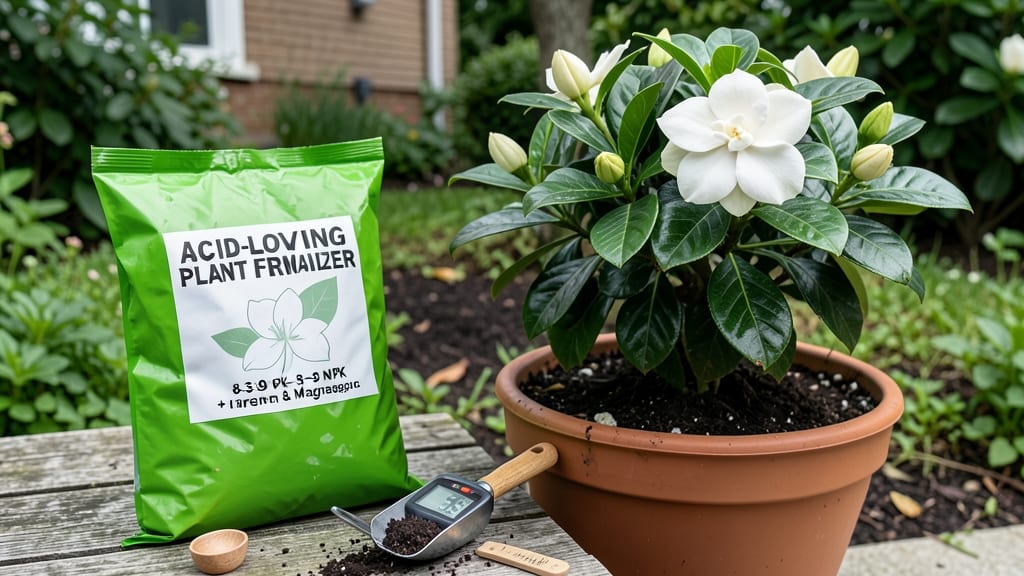
The gardenia fertilizer ratio that unlocks those signature fragrant blooms is all about balance—too much nitrogen, and you’ll get leaves but no flowers. 🌸
Picture this: you’ve nurtured your gardenia for months, only to stare at a bush bursting with glossy green leaves but not a single bloom in sight. That’s your fertilizer talking—or rather, not talking enough about phosphorus and potassium, the real bloom triggers.
Gardenias thrive in USDA Zone 9b-11 when fed with the right mix, but getting the N-P-K ratio wrong can stunt growth or even burn roots. A 6-6-6 or 8-3-9 blend is your sweet spot, but timing matters just as much as the numbers.
In this guide, I’ll break down the exact ratios for each growth stage, how to spot over- or under-fertilizing, and when to switch from synthetic to organic feeds—so you can finally enjoy that intoxicating gardenia scent you’ve been waiting for.
Optimal N-P-K fertilizer ratio for gardenia blooms
If your gardenia is producing more leaves than fragrant blooms, the N-P-K ratio in your fertilizer might be the culprit. Gardenias thrive on a balanced but phosphorus-rich approach—too much nitrogen leads to leafy growth at the expense of flowers.
The key is understanding how to adjust ratios based on your plant’s growth stage and seasonal needs.
Most gardeners mistakenly use a high-nitrogen fertilizer (like 10-10-10), which promotes foliage but stunts blooming. Instead, aim for a low-nitrogen, high-phosphorus blend during flowering seasons. For example, a 6-6-6 or 8-3-9 ratio works wonders for encouraging those signature white, fragrant blooms.
Why the ratio matters: Nitrogen (N) fuels leaf growth, phosphorus (P) boosts root and flower development, and potassium (K) strengthens disease resistance. Gardenias need less nitrogen and more phosphorus to reward you with abundant blooms. Let’s break down the optimal ratios for each growth phase.
For indoor gardenias, stick to a balanced ratio like 6-6-6 year-round but reduce feeding in winter months. Outdoor gardenias benefit from a phosphorus-heavy ratio (e.g., 5-10-10) during budding phases to maximize blooms. Always pair fertilization with acid-loving plant food (pH 5.0-6.5) to mimic their natural tropical habitat.
One common mistake is over-fertilizing with nitrogen-rich blends, which can cause leaf burn or stunted blooms. If your gardenia’s leaves turn yellow or brown at the edges, flush the soil with water to remove excess salts.
For organic options, try fish emulsion (5-1-1) or bone meal (3-15-0) for phosphorus boosts during flowering.
Pro tip: Slow-release fertilizers like Osmocote or Espoma Gardenia-Tone are ideal because they provide steady nutrients without risking overapplication. Always water thoroughly after fertilizing to prevent root damage. Aim to fertilize in the early morning to allow foliage to dry before evening humidity sets in.
Adjust ratios based on your gardenia’s response. If blooms are sparse, increase phosphorus slightly (e.g., switch to 4-8-8). If leaves look weak, add a touch more nitrogen (6-6-6). The goal is fragrant, abundant blooms, not just lush foliage—so prioritize phosphorus during critical growth stages!
Remember, gardenias are sensitive to salt buildup, so always follow label instructions and avoid fertilizing during drought or extreme heat. With the right N-P-K balance, your gardenia will reward you with intoxicating fragrance and showstopping blooms all season long. 🌸
How to apply gardenia fertilizer by growth stage
Gardenia plants thrive when their fertilizer ratios align with their natural growth cycles. Unlike many shrubs, gardenias need seasonal adjustments to produce those coveted fragrant blooms. In spring, focus on new growth with higher nitrogen, while summer demands phosphorus-rich feeds to support flowering.
Let’s break down the exact ratios and timing for each stage.
For organic gardeners, options like fish emulsion or composted manure work well, while synthetic blends (like 8-3-9) are ideal for precise control. The key is consistency without excess—gardenia roots are sensitive to salt buildup from over-fertilizing. Always water thoroughly before applying fertilizer to dilute salts and protect roots.
- Spring (New Growth): Use 6-6-6 ratio (equal parts N-P-K) or organic compost. Apply every 4-6 weeks until buds form. Focus on leafy growth before blooms.
- Summer (Flowering): Switch to 8-3-9 ratio or high-phosphorus fertilizer (like bone meal). Feed lightly every 6-8 weeks to avoid leaf burn.
- Fall (Pre-Dormancy): Stop fertilizing by September. Let the plant rest and store nutrients for next year’s blooms.
- Winter (Indoor Plants): Light feed with balanced 10-10-10 every 3 months if flowering indoors. Outdoor plants need zero fertilizer.
When applying fertilizer, always scratch it into the soil (not just surface-dress) to avoid burning delicate roots. For potted gardenias, reduce amounts by 50% since roots have limited space. A slow-release granular fertilizer is ideal—it feeds consistently without risk of overloading the plant.
Watch for yellowing leaves, which signal over-fertilization, or stunted growth, a sign of nutrient deficiency. Adjust ratios based on your gardenia’s response. For example, if blooms are sparse, increase phosphorus in summer. If leaves are dark green but no flowers appear, your plant may need more potassium.
Pro tip: Mix a 1-inch layer of mulch (like pine bark) around the base after fertilizing. This locks in moisture, mimics the acidic environment gardenias love, and slows nutrient runoff. Mulch also regulates soil temperature, protecting roots during heatwaves.
Remember, gardenias are acid-loving plants—their ideal soil pH is 5.0-6.5. If your soil is alkaline, amend it with sulfur or peat moss before fertilizing. Pair this with the right ratios, and you’ll be rewarded with abundant, fragrant blooms year after year. 🌸