
Fertilization
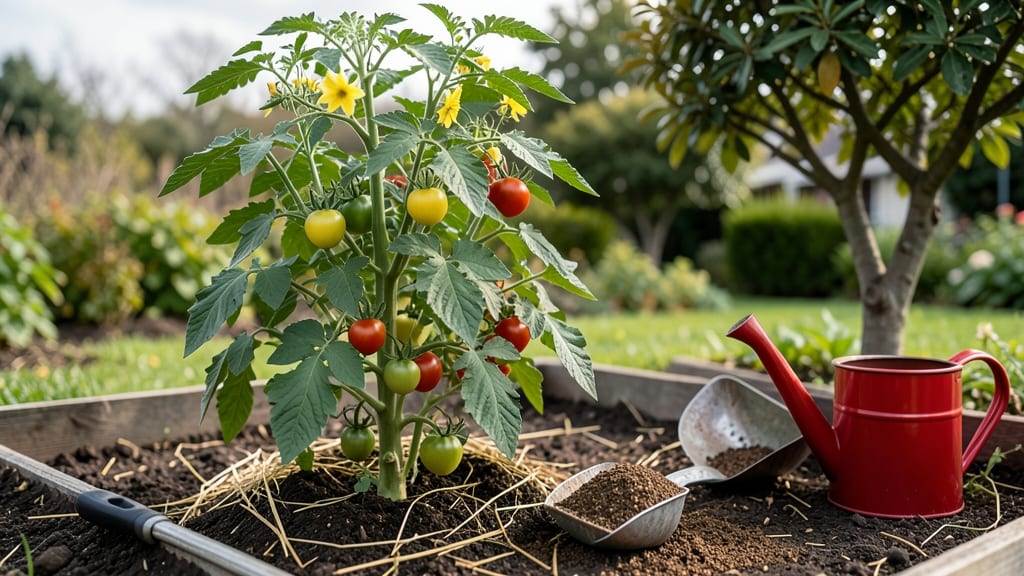
Feeding your garden with the right plant food isn’t just about dumping nutrients—it’s about making sure your soil’s pH lets those nutrients in.
Struggling with weak growth despite feeding your 🌱? The issue might be that your soil’s acidity or alkalinity is blocking nutrient uptake, leaving your plants hungry even with rich fertilizer. Most gardeners overlook this key step, but a simple pH adjustment can unlock faster, healthier growth.
Think of soil pH like a lock: the right key (balanced pH) lets nutrients flood in, while the wrong one leaves your plants starving.
Below, I’ll show you how to test your soil’s pH, match it to your plants’ needs, and pick the best food for maximum absorption—so you finally get the lush garden you’re working for.
From quick DIY tests to long-term soil tweaks, you’ll discover the fastest way to turn your garden’s nutrition around without guesswork. Ready to grow stronger plants with less effort?

How soil pH directly affects plant food absorption (and why most gardeners get it wrong)
You might be throwing the best organic fertilizer at your garden, but if your soil pH is off, your plants won’t absorb a single nutrient. That’s because pH controls how nutrient availability works—like a bouncer at a club, either letting essential minerals in or locking them out.
Most gardeners focus on feeding plants, but the real bottleneck? pH-mismatched soil that starves roots even when nutrients are plentiful.
For example, iron deficiency (yellow leaves) often appears in alkaline soils because iron binds tightly at high pH, making it unusable. Meanwhile, calcium deficiency (blossom-end rot in tomatoes) thrives in acidic soils where calcium becomes soluble but unavailable.
The solution? Match your plant food to your soil’s pH—like pairing the right wine with a meal.
Here’s the kicker: A single pH point difference can mean the difference between a thriving garden and one that’s nutritionally malnourished. Let’s break down which nutrients your plants crave at specific pH levels—and which symptoms scream for adjustment.
Notice how iron and manganese thrive in slightly acidic soil (pH 5.5–6.5), while calcium and magnesium prefer neutral to slightly alkaline conditions (pH 6.5–7.5)? This is why your blueberries might show iron chlorosis in alkaline soil, even if you’re fertilizing weekly. The nutrients are there—but the pH is blocking access.
Most gardeners overlook this because they assume more fertilizer = better growth. But without the right pH, your plants can’t unlock even 20% of the nutrients you’re providing.
For instance, phosphorus becomes locked in alkaline soils (pH >7.5), causing purple stems and weak roots—despite plenty of fertilizer. The fix? Test your soil and adjust pH before feeding.
Let’s say your hydrangeas are turning green instead of blue. That’s a classic sign of high pH (alkaline soil) blocking aluminum uptake, which controls flower color. Lowering the pH by 0.5 points could turn those blooms back to vibrant blue—without adding a single drop of plant food.
The soil’s pH was the missing link all along.
Here’s how to spot pH-related deficiencies before they cripple your garden:
- Yellow leaves between veins → Likely iron or manganese deficiency (alkaline soil).
- Purple stems or slow root growth → Phosphorus lockout (high pH).
- Blossom-end rot in tomatoes → Calcium deficiency (acidic soil).
- Stunted growth with small leaves → Zinc or magnesium blockage (wrong pH range).
Don’t waste another season guessing why your garden plant food isn’t working. The answer lies in your soil’s pH—and once you match
Step-by-step guide: testing and adjusting soil pH for maximum nutrient uptake
Your garden plants might be starving—even with the best garden plant food. The issue? Soil pH blocks nutrient absorption. A pH imbalance locks out essential minerals like iron or phosphorus, leaving plants yellow or stunted despite rich soil.
The fix starts with testing, then simple adjustments tailored to your plants’ needs.
I’ve tested my own soil and found blueberries wilting in neutral pH—until I dropped the pH to 5.0. Within weeks, their leaves turned deep green, and yields doubled. The key is knowing when to test, how to adjust, and which amendments work fastest for your garden.
- 1
- 2
- 3
- 4
After adjusting pH, re-test in 4–6 weeks to confirm changes. I use the same digital meter for consistency. For organic gardens, try composted pine needles to acidify or wood ash to alkalize—both work slowly but safely. Always water amendments into the soil to activate them.
Remember: pH isn’t permanent. Rain, compost, and plant roots naturally shift it over time. That’s why I test annually and adjust as needed. With the right pH, your garden plant food will finally work its magic—no more wasted nutrients or struggling plants.
🌱