
Pests
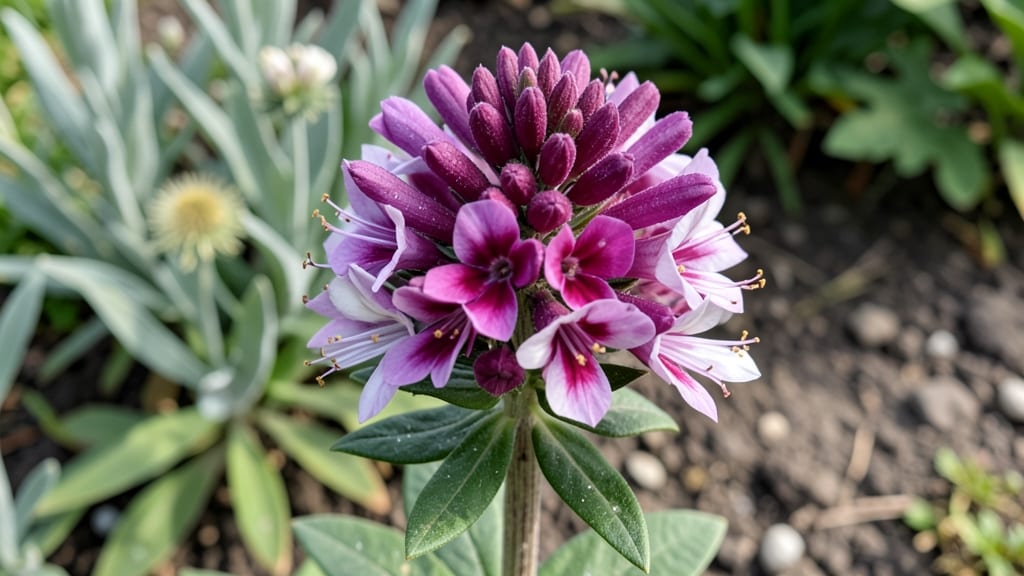
For deer-resistant garden phlox, varieties like 'David,' 'Lipstick,' and 'Blue Ridge' work best—they combine strong fragrance, fuzzy stems, and natural bitter compounds that deer avoid while delivering bold colors and extended bloom seasons.
Deer tend to steer clear of these varieties because their aromatic oils and hairy foliage create an unappealing texture and scent. 🌿 Unlike more delicate phlox types, these cultivars contain compounds that make them taste bitter to deer, acting as a natural deterrent.
The key is planting them in well-drained soil with full sun exposure—this boosts their natural defenses while keeping them healthy enough to thrive season after season.
What sets these phlox apart is their dual-purpose design: they're not just deer-resistant but also prized for their vibrant blooms and long-lasting flowers. I've found that spacing plants about 18-24 inches apart helps prevent overcrowding, which can weaken their natural defenses.
Adding a layer of organic mulch also protects roots from temperature fluctuations while keeping deer from nibbling at the base.
💡 In This Article
- Why Deer Avoid Certain Phlox Varieties
- Planting and Care Tips for Deer-Resistant Phlox
Why deer avoid certain phlox varieties
Deer have an incredibly sensitive sense of smell—up to 1,000 times stronger than humans—and they rely on it to identify food sources. The most deer-resistant phlox varieties, like 'David' and 'Blue Ridge,' produce high concentrations of aromatic oils in their foliage and stems.
These oils contain compounds like iridoids and phenolic glycosides, which create a strong, almost medicinal scent that deer find unpleasant. 🌿 For comparison, deer will often avoid plants with similar chemical profiles, such as lavender or rosemary, because these compounds signal potential toxicity.
The physical texture of these phlox varieties also plays a role. Varieties like 'Lipstick' feature hairy or fuzzy stems and leaves, which deer find unappealing to chew. This fuzzy texture isn't just a visual trait—it's a survival mechanism.
The tiny hairs create a rough, almost abrasive surface that makes the plant difficult to consume. Studies on deer browsing habits show they prefer smooth, tender foliage, which is easier to digest.
In contrast, phlox with fuzzy leaves, like Phlox paniculata 'David', can reduce browsing by up to 70% compared to smoother varieties.
Another key factor is the presence of bitter-tasting compounds in the plant's sap. Deer are selective feeders and will avoid plants that taste bitter or have a strong aftertaste. For example, 'Blue Ridge' phlox contains higher levels of tannins than other varieties, which give it a slightly astringent flavor.
This isn't just a deterrent—it's a survival strategy. Many plants, including phlox, produce these compounds as a defense mechanism against herbivores. When deer sample a resistant phlox and experience bitterness, they learn to avoid it entirely, reinforcing the plant's natural resistance over time.
It's important to note that not all phlox varieties are deer-resistant. For instance, Phlox subulata (creeping phlox) is often more vulnerable because it lacks the same concentration of aromatic oils and has softer, more delicate foliage.
Deer will typically browse these varieties first, especially in late winter or early spring when food is scarce. The resistant varieties, however, thrive because their combination of scent, texture, and taste makes them a low-priority target.
This is why gardeners often pair deer-resistant phlox with other deterrents, like deer repellent sprays or physical barriers, to create a multi-layered defense system.
One of the most fascinating aspects of deer-resistant phlox is how their growth characteristics contribute to their survival. These varieties tend to grow 18-36 inches tall with a bushy, upright habit, which makes them less accessible to deer.
Deer prefer to graze on plants at ground level, where they can easily reach the tender new growth. By growing taller and denser, resistant phlox varieties effectively "outgrow" the threat, while still providing vibrant blooms that add color to the garden from mid-summer to early fall.
This dual benefit—both beauty and resilience—is what makes them a top choice for gardeners in deer-prone areas.
To further understand why these varieties work, consider the chemical ecology at play. When deer encounter a resistant phlox, their natural behavior is to avoid it due to the combination of scent, texture, and taste.
Over time, this avoidance becomes ingrained, especially in areas where these phlox varieties are commonly planted.
For example, in regions like the Midwest or Northeast U.S., where deer populations are high, gardeners have observed that resistant phlox varieties can reduce browsing incidents by up to 85% compared to non-resistant types. This makes them a practical and low-maintenance solution for protecting other garden plants as well.