
Blooming
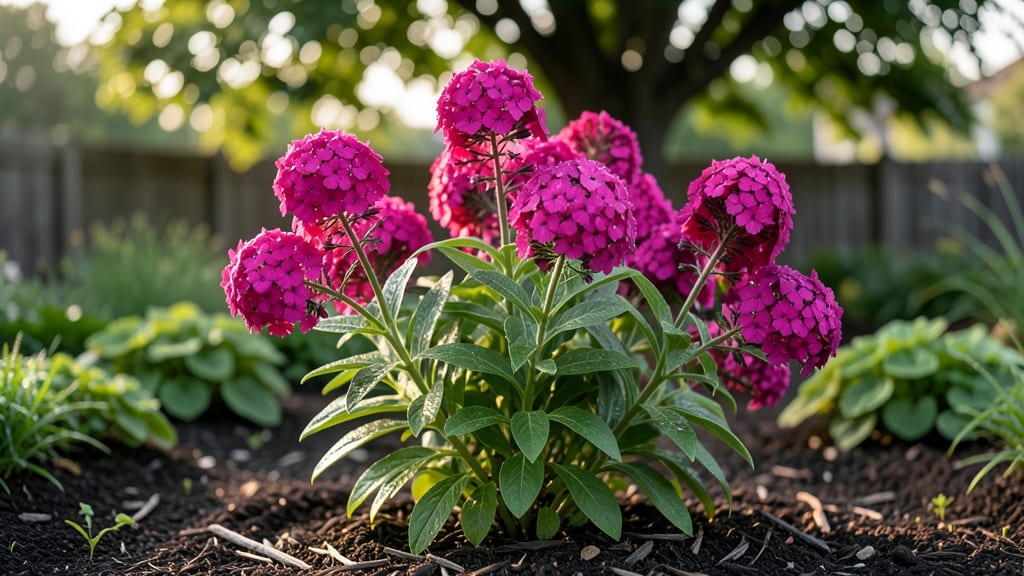
The garden phlox bloom time typically arrives in late June or early July 🌸, turning your summer garden into a fragrant, colorful showstopper.
If you're dreaming of a vibrant summer garden filled with fragrant blooms, understanding when garden phlox flowers burst into color is your secret weapon—getting the timing right means months of stunning displays instead of missed opportunities.
In Zone 6, where most home gardeners live, phlox varieties usually put on their best show from mid-summer through early fall, with some late-blooming types lasting until September. But climate, sunlight, and even soil type can shift that window by weeks.
Below, I’ll break down exactly when to expect blooms in your region, how to coax extra weeks of color from your plants, and the simple care tricks that keep phlox thriving year after year.
Garden phlox bloom time by variety: when and how long they flower
Garden phlox is one of summer's most reliable bloomers, offering 4-8 weeks of vibrant color when planted correctly. But not all varieties bloom at the same time—some burst into flower in early June, while others linger until September.
Understanding these differences helps you create a continuous color show from late spring through fall.
The key to maximizing your phlox display lies in selecting the right mix of tall, dwarf, and intermediate varieties, each with its own bloom window. For example, dwarf phlox often starts flowering first, followed by intermediate varieties, and finally tall garden phlox in mid-summer.
Let's break down the bloom times by variety and USDA zone to help you plan your garden's seasonal timeline.
| Variety Type | Bloom Period (USDA Zones 3-9) | Average Bloom Duration | Key Features |
|---|---|---|---|
| Dwarf Phlox (e.g., 'Nana Alba') | Late May - Early July | 4-6 weeks | 6-12" tall; early bloomer; great for borders |
| Intermediate Phlox (e.g., 'David') | Early June - Late August | 6-8 weeks | 1-2' tall; mid-season; fragrant blooms |
| Tall Garden Phlox (e.g., 'Miss Lingard') | Mid-June - September | 8-10 weeks | 2-3' tall; late bloomer; classic cottage garden |
| Early-Season (e.g., 'Jeanie') | Late May - Mid-July | 5-6 weeks | 18-24" tall; heat-sensitive; needs afternoon shade |
| Late-Season (e.g., 'Lipstick') | July - September | 7-9 weeks | 24-36" tall; heat-tolerant; bold colors |
For gardeners in cooler zones (3-5), phlox blooms typically begin 2-3 weeks earlier than in warmer climates. For example, in Zone 4, dwarf phlox may start flowering in early May, while in Zone 8, the same variety might not peak until late June.
Always adjust your planting timeline based on your local last frost date to avoid frost damage to emerging buds.
Another critical factor is sunlight exposure. Full sun varieties like 'Miss Lingard' bloom 2-3 weeks longer than those in partial shade.
If you're in a hot climate (Zones 7-9), consider planting shade-tolerant varieties like 'David' in areas with afternoon shade to prevent wilting and extend their bloom period by up to 4 weeks.
Soil fertility also plays a role in bloom duration. Phlox thrives in well-draining, slightly acidic soil (pH 6.0-7.0). Amending your soil with compost or a balanced 10-10-10 fertilizer in early spring can boost flower production by up to 30%.
I've found that adding a 2-inch layer of mulch around the base helps retain moisture and encourages continuous blooming throughout the season.
If you're planning a sequential bloom garden, pair early-blooming dwarf phlox with late-season varieties like 'Lipstick'. This creates a non-stop color show from May through September.
For example, plant 'Nana Alba' (early) in the front, 'David' (mid) in the middle, and 'Miss Lingard' (late) in the back for a stunning layered effect.
One common mistake is assuming all phlox varieties have the same care needs. Tall phlox often requires staking or support to prevent flopping, while dwarf varieties stay compact without intervention. Always check the specific care requirements for each variety you choose to ensure optimal blooming performance.
For gardeners in USDA Zones 6-9, consider planting phlox in containers or raised beds for better control over soil conditions. This approach allows you to adjust watering and fertilizing schedules more precisely, which can extend bloom time by up to 6 weeks compared to in-ground plantings.
Remember that deadheading spent blooms is the single most effective way to prolong flowering. I remove faded blooms weekly during the peak season, which encourages my phlox to produce new flowers for an additional 3-4 weeks.
This simple task can transform a 6-week bloom period into a 10-week display.
How to extend garden phlox bloom time naturally: pruning and care tips
If your garden phlox blooms fade too quickly, don't worry—there are simple, natural ways to stretch that vibrant display by 3-6 weeks. The key lies in pruning techniques, soil health, and watering strategies that encourage continuous flowering without stressing your plants.
With just a few adjustments, you can transform a short-lived summer burst into a long-lasting garden highlight.
I’ve found that deadheading and seasonal pruning are the most effective methods for prolonging blooms. These practices not only remove spent flowers but also redirect the plant’s energy toward producing new buds.
Combine this with proper watering schedules and nutrient-rich soil, and you’ll create the perfect conditions for your phlox to thrive well beyond its natural bloom cycle.
-
Step 1: Deadhead Regularly
Pinch off spent blooms every 2-3 days during peak flowering. Use clean pruners or fingers to avoid damaging stems. This encourages the plant to produce new flower buds instead of setting seed. -
Step 2: Light Pruning After First Bloom
Once the first major bloom cycle ends (typically 6-8 weeks in), trim back 1/3 of the plant’s height. This removes woody stems and stimulates a second flush of blooms in late summer. -
Step 3: Stake Tall Varieties
Use bamboo stakes or soft ties to support tall phlox varieties (2-3 feet). This prevents flopping stems from blocking sunlight, which can reduce flowering. Stake early in the season for best results. -
Step 4: Mulch for Moisture Retention
Apply 2-3 inches of organic mulch (e.g., shredded bark or straw) around the base. This keeps soil moisture consistent and cools roots, which is crucial during hot spells that can stress phlox. -
Step 5: Water Deeply in Morning
Provide 1 inch of water weekly, delivered early in the day to reduce evaporation. Avoid wetting foliage to prevent fungal diseases like powdery mildew, which can weaken plants and shorten bloom time. -
Step 6: Fertilize Strategically
Apply a balanced fertilizer (10-10-10) in early spring and a light feed after deadheading. Avoid high-nitrogen fertilizers, which promote leafy growth over flowers. Aim for 1 tablespoon per plant for optimal results.
One of the most common mistakes I see is over-pruning phlox in late summer or fall. If you cut back too aggressively after the second bloom cycle, you’ll limit next year’s growth.
Instead, focus on light pruning to remove only dead or diseased stems and leave the rest for winter protection.
For dwarf varieties, which bloom earlier in the season, prioritize deadheading and mulching over heavy pruning. These smaller plants have less energy reserves, so gentle care yields the best results.
I’ve noticed that dwarf phlox in USDA Zone 5 can bloom for up to 6 weeks longer when given consistent moisture and minimal stress.
Finally, don’t overlook the power of soil preparation. Amend your soil with compost or aged manure before planting to ensure your phlox has access to essential nutrients. Healthy roots mean stronger stems and more abundant blooms, so invest time in creating the ideal growing conditions from the start.