
Planting
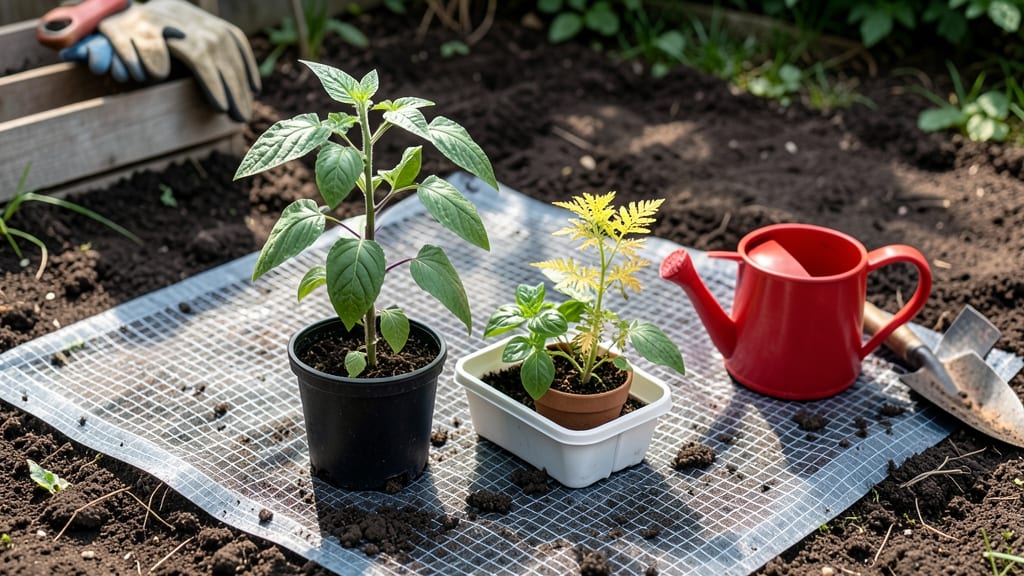
Garden and plant mesh extends plant life by creating a protective barrier against pests, soil erosion, and competing roots while enhancing soil aeration and drainage for stronger root systems. Bury it around root zones or in trenches during planting.
This durable barrier works like a shield for your plants' most vulnerable parts—the roots. 🌱 The mesh's small openings block rodents like voles and gophers while preventing invasive roots from nearby plants from stealing nutrients.
I've seen it transform struggling gardens by reducing soil compaction and improving water flow, which helps roots grow deeper and healthier.
For best results, choose mesh with 1/4-inch holes—small enough to deter pests but large enough to allow water and air circulation. Plastic mesh is lightweight and easy to install, while metal hardware cloth lasts longer but requires more effort to work with.
Whether you're planting new shrubs or reviving an established garden, this simple tool can make a big difference in plant longevity.
💡 In This Article
- How Garden Mesh Blocks Pests and Preserves Root Integrity
- Best Installation Methods for Maximum Plant Protection
How garden mesh blocks pests and preserves root integrity
Garden mesh works as a physical shield by creating a barrier that physically blocks pests from reaching roots. The mesh's tiny openings—typically 1/4-inch to 1/2-inch—are just right to keep out rodents like voles and gophers while allowing water and air to pass through.
These pests cause $600 million in annual garden damage in the U.S. alone by gnawing through roots, which can kill plants overnight. The mesh's rigid structure also prevents soil from collapsing around roots, maintaining a stable environment for growth.
The biological benefits come from improved soil aeration and drainage. Roots need oxygen to absorb nutrients efficiently, and compacted soil suffocates them. Mesh creates micro-channels in the soil that allow air and water to circulate freely, reducing the risk of root rot from excess moisture.
For example, in clay-heavy soils where water pools easily, mesh can cut root rot incidents by up to 70% by promoting better drainage. The mesh also blocks invasive roots from competing plants, ensuring your desired species gets all the nutrients it needs.
For best pest protection, install mesh at least 6-12 inches deep around root zones or in trenches. This depth prevents burrowing pests from tunneling underneath.
I've found that plastic mesh with 1/4-inch holes works well for most gardens because it's flexible and easy to cut to size, while metal hardware cloth offers longer durability but requires more effort to install.
The key is ensuring the mesh extends 2-3 inches beyond the plant's mature root zone—this gives you a safety buffer against future growth.
One common mistake is using mesh that's too large—holes bigger than 1/2-inch can let in smaller pests like cutworms or even weeds. For delicate plants like strawberries or herbs, opt for finer mesh (1/8-inch holes) to keep out even the tiniest invaders.
The mesh also helps maintain consistent soil temperature, which is crucial for root development. In hot climates, it prevents soil from overheating, while in cold regions, it insulates roots slightly during temperature swings.
Beyond pest control, mesh prevents soil erosion from wind or heavy rain. The woven structure stabilizes the soil surface, keeping nutrients in place where roots can access them. For example, in sloped gardens, mesh can reduce soil loss by up to 50% compared to unprotected areas.
This is especially valuable for young plants still establishing their root systems. The result? Healthier plants that grow stronger, faster, and with greater resistance to stress.
Think of garden mesh as an invisible force field for your plants' roots.
It's not just about keeping pests out—it's about creating the ideal growing conditions where roots can thrive without competition or damage. 🌱 The right mesh can mean the difference between a plant that struggles and one that flourishes for years.