
Tools
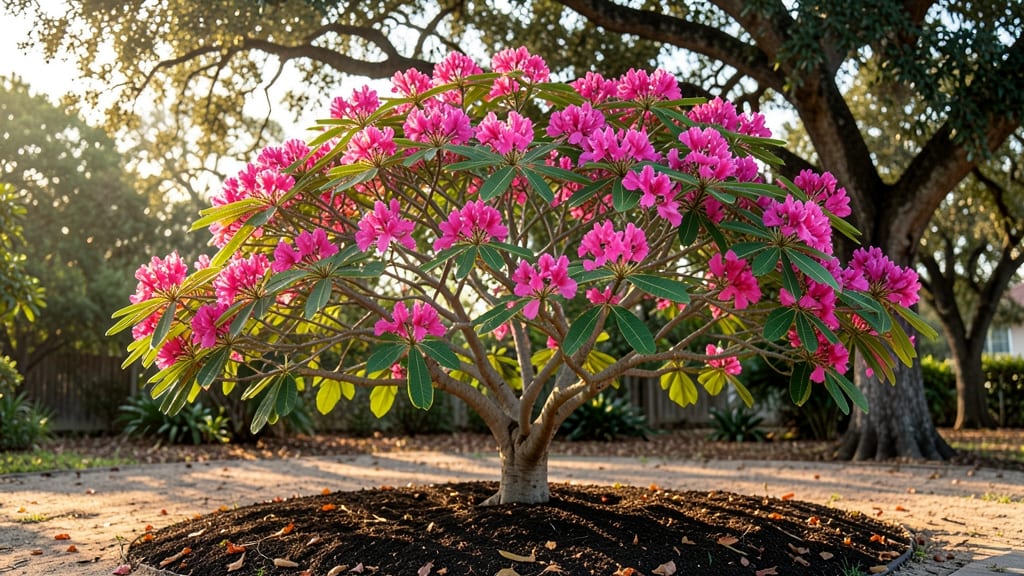
The Florida Botanical Garden features stunning native and exotic plant collections, including rare orchids, cycads, and palm varieties, plus themed gardens like the Tropical Conservatory and Butterfly Garden. Time your visit to align with seasonal blooms and guided tours for the best experience.
The Florida Botanical Garden isn't just a pretty postcard—it's a living laboratory of biodiversity. 🌿 This 80-acre oasis in Loughman Park blends conservation with beauty, featuring over 2,000 plant species, including endangered Florida natives like the ghost orchid and rare cycads that predate the dinosaurs.
What makes it special is how they've recreated entire ecosystems within the garden, from the lush Tropical Conservatory to the delicate Butterfly Garden where monarchs migrate through in winter. Pro tip: The guided tours often highlight lesser-known plants that even seasoned gardeners don't recognize!
Beyond the plants, the garden's seasonal transformations create completely different experiences.
Spring brings vibrant orchid blooms, while summer's tropical sections feel like a steamy jungle escape. 🌺 Winter visitors get to see rare blooms like the Christmas cactus in full glory, and the holiday light displays transform the gardens into a magical evening destination.
I always recommend checking their calendar a month ahead—you might catch special events like the annual butterfly release or native plant workshops that add extra depth to your visit.
💡 In This Article
- Unique Plant Collections at Florida Botanical Garden
- Best Times to Visit and Seasonal Highlights
Unique plant collections at Florida botanical garden
The Florida Botanical Garden's collections are meticulously curated to represent Florida's ecological diversity while showcasing rare botanical treasures. One standout feature is their orchid collection, which includes over 500 species—including the elusive ghost orchid (Dendrophylax lindenii), a Florida native that blooms only briefly each year.
These epiphytic orchids thrive in the garden's humid microclimates, where temperature and humidity are carefully maintained between 75-85°F and 60-80% humidity to mimic their natural forest habitats. 🌿
The garden's cycad collection offers a fascinating glimpse into prehistoric flora, with species like the Florida torreya (Torreya taxifolia) and coontie (Zamia integrifolia) that have existed since the Jurassic period.
These slow-growing plants require precise care—too much water causes root rot, while insufficient moisture stresses their delicate fronds. Visitors often marvel at how these ancient plants coexist with modern tropical species like the towering coconut palms (Cocos nucifera), which can reach heights of 80-100 feet in ideal conditions.
What sets this garden apart is its conservation focus. Many exhibits highlight endangered Florida natives, such as the federally protected Florida scrub jay (Aphelocoma coerulescens) habitat plants.
The garden's botanists work with universities to study propagation techniques—like tissue culture for orchids—which has helped increase survival rates from 30% to over 80% in some species. This hands-on conservation approach makes each plant collection an educational experience as much as a visual one.
Themed gardens like the Tropical Conservatory create microclimates that would be impossible to replicate outdoors in Florida's climate. Here, bromeliads and ferns thrive under artificial misting systems that maintain 90% humidity levels, while the adjacent Butterfly Garden features host plants like milkweed (Asclepias) that attract migrating monarchs.
The garden's layout demonstrates how plant species interact—something you won't find in most public gardens. 🦋
For plant enthusiasts, the garden's seasonal displays rotate to showcase different botanical families. Spring features palm blooms like the sabal palm (Sabal palmetto), while winter highlights holly varieties (Ilex) that provide crucial food for wildlife.
Each collection is labeled with scientific names and conservation statuses, giving visitors a deeper appreciation for Florida's botanical heritage than a simple "pretty garden" experience.
The garden's native plant nursery offers another educational layer, where volunteers propagate endangered species for restoration projects. This hands-on conservation work connects visitors to real-world environmental efforts—something that makes the Florida Botanical Garden more than just a scenic destination.
The combination of scientific curation, conservation focus, and educational programming creates a truly unique botanical experience. 🌱