
Featured
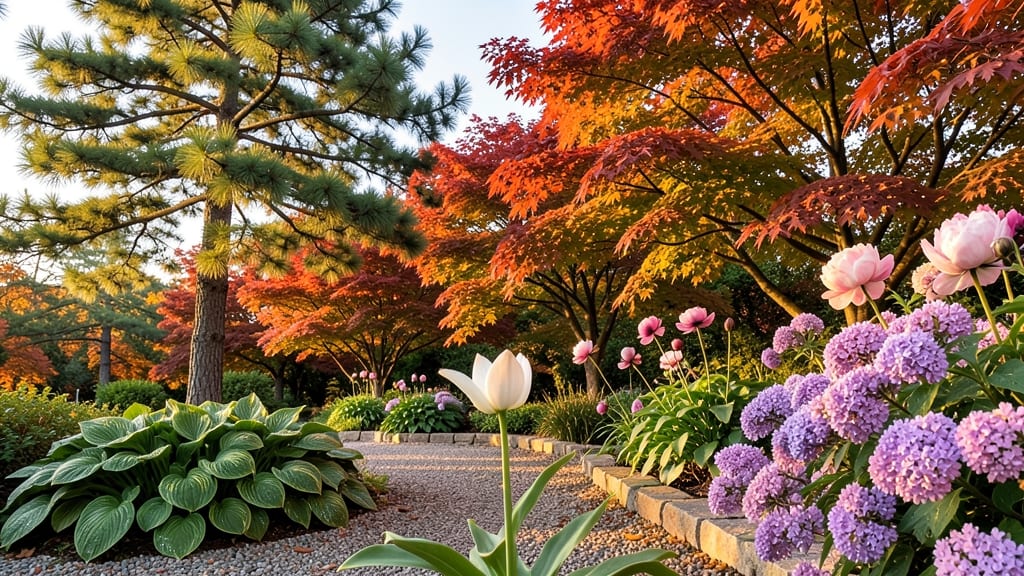
The Botanical Garden Montreal Canada showcases over 22,000 plant species across 75 hectares, featuring rare orchids, meticulously designed Japanese gardens, and themed greenhouses like the Chinese and First Nations pavilions. This year-round destination offers seasonal floral displays and expert horticultural exhibits.
The Botanical Garden Montreal Canada isn't just a park—it's a living museum where you can explore everything from delicate orchids to towering bonsai trees. 🌿 One of its standout features is the Japanese Garden, designed to evoke tranquility with its carefully placed rocks and koi ponds, while the First Nations Pavilion highlights Indigenous plant knowledge through interactive displays.
Whether you're visiting in spring for vibrant tulips or winter for tropical greenhouse blooms, each season reveals something new.
Beyond the main attractions, the garden's medicinal plant collection offers fascinating insights into traditional uses, and the Rose Garden transforms into a fragrant paradise during peak bloom.
What sets this garden apart is its blend of scientific rigor and artistic beauty—perfect for both plant enthusiasts and casual visitors looking for a peaceful escape.
💡 In This Article
- Montreal Botanical Garden’s Unique Plant Collections and Themed Gardens
- Best Times to Visit Montreal Botanical Garden for Seasonal Blooms
Montreal botanical garden’s unique plant collections and themed gardens
The Montreal Botanical Garden's orchid collection is one of the largest in Canada, housing over 2,500 specimens from 5 continents. These delicate blooms thrive in the garden's humidity-controlled glasshouses, where temperatures remain between 68-75°F year-round.
What makes this collection special is its focus on conservation—many species are endangered, and the garden participates in global breeding programs to preserve genetic diversity. 🌸 The Cattleya and Phalaenopsis varieties, in particular, showcase the stunning diversity of orchid forms, from tiny 0.5-inch blooms to dramatic 8-inch showstoppers.
Themed gardens transport visitors to different cultures and climates. The Japanese Garden, designed in 1980, features a 3,000-square-foot pond with 15 koi fish and meticulously pruned pine trees that can live for centuries.
Meanwhile, the Chinese Pavilion showcases bamboo groves and medicinal plants used in traditional Chinese medicine, like ginseng and peony. The First Nations Pavilion takes a different approach, highlighting 3-Sister plants (corn, beans, squash) and wild rice through interactive exhibits that explain Indigenous agricultural practices.
Each garden is designed not just for beauty, but to teach visitors about ecological relationships and cultural significance.
The Rose Garden, spanning 1.5 acres, is a sensory masterpiece with over 10,000 roses representing 300 varieties. Unlike traditional rose gardens, this one incorporates fragrant plants like lavender and jasmine to enhance the experience.
Peak bloom occurs in June and July, when the garden releases 20,000 rose petals daily—enough to fill the air with a 1-mile radius of intoxicating scent.
The garden's color-themed sections (reds, whites, yellows) create visual impact while demonstrating how roses have been cultivated for both beauty and practical uses, from perfumes to medicines.
For plant enthusiasts, the medicinal plant collection offers a fascinating look at nature's pharmacy. This 1-acre section features 500 species used in traditional medicine, organized by body system (respiratory, digestive, etc.).
You'll find echinacea for immune support, valerian for relaxation, and aloe vera for skin healing—all labeled with both scientific names and common uses. The garden's horticulturists even host weekend workshops where visitors can learn to make simple remedies under expert guidance.
This collection bridges the gap between botany and practical health applications in an accessible way.
What often surprises visitors is the bonsai collection, featuring over 150 trees meticulously shaped over decades. These miniature masterpieces demonstrate how different species respond to pruning techniques—some require annual pruning while others need monthly adjustments to maintain their shape.
The garden's bonsai experts share how these trees symbolize patience and harmony in Japanese culture, while also explaining the scientific principles behind their cultivation, like root restriction and seasonal care cycles. 🌿 The collection includes both traditional Japanese styles and innovative modern interpretations, showing how bonsai has evolved beyond its cultural origins.
The garden's seasonal rotations keep each visit fresh. Spring brings 20,000 tulips in vibrant hues, while autumn features maple trees that turn fiery red—visible from the observation tower.
Winter transforms the outdoor spaces into a snow-covered wonderland, but the tropical greenhouses remain lush and warm, offering a respite from the cold. This careful seasonal planning ensures visitors always discover something new, whether it's the first cherry blossoms in April or the holly berries in December.
The garden's ability to highlight different plants at different times creates a dynamic experience that keeps returning visitors engaged year after year.