
Pruning
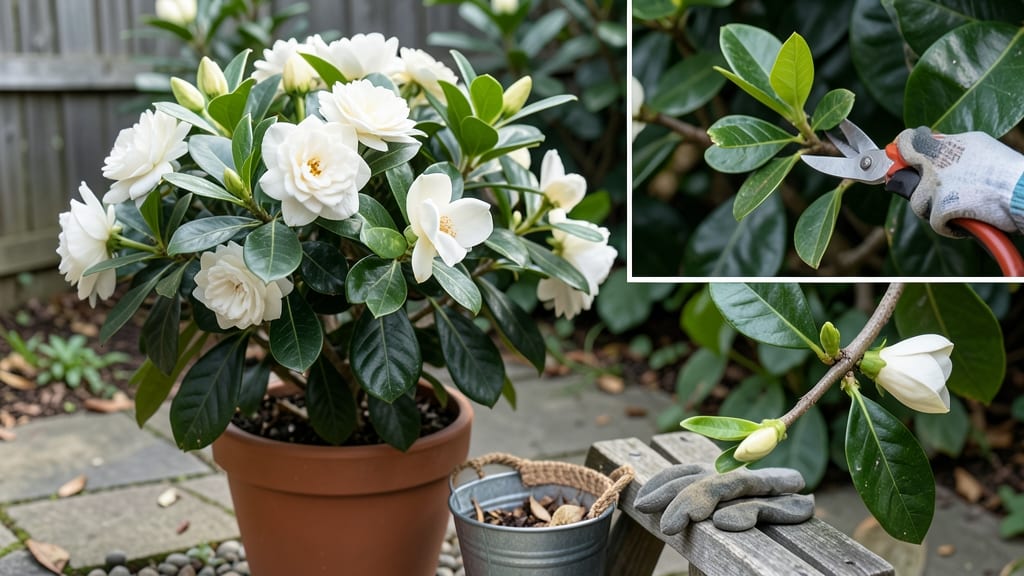
Trimming gardenias at the right time ensures lush blooms and healthy growth all year—so why are so many gardeners still guessing?
You’ve probably watched your gardenias 🌸 fade after a glorious spring show, only to wonder if you should trim them now or wait. The truth is, timing matters more than you think: cut too early, and you risk stunted growth; wait too long, and you might kill next year’s flowers.
Late spring, after the blooms have faded but before the heat sets in, is your sweet spot—but there’s more to it than just the calendar.
In this guide, I’ll walk you through the best time to trim gardenias, why late spring works best for your USDA Zone 6a climate, and how to do it without damaging your shrubs.
You’ll also learn the tools to use, how much to cut (hint: never more than a third!), and post-trimming care to keep your gardenias thriving.
Whether you’re a beginner or a seasoned gardener, these tips will help you avoid common mistakes and enjoy gardenias that bloom beautifully year after year.
Why late spring after blooming is the best time to trim gardenias
If you’ve ever wondered why your gardenias bloom beautifully but struggle to thrive year-round, the answer lies in your trimming schedule. Late spring, 4-6 weeks after flowers fade, is the ideal window to prune these delicate shrubs.
This timing aligns with their natural growth cycle, ensuring you avoid stressing the plant during critical stages. Skipping this window can lead to winter dieback or reduced blooms next season.
Gardenias are evergreen shrubs that produce their flowers on new wood, meaning growth from the current season’s branches. Trimming too early—right after blooming—removes potential bloom sites for next year.
Conversely, waiting until late summer or fall can stimulate tender new growth that won’t harden off before winter, leaving them vulnerable to frost damage.
The 4-6 week window after blooming (typically May-June in most USDA zones) gives gardenias time to photosynthesize and store energy in their roots. This stored energy fuels new growth and prepares the plant for another round of blooms.
Think of it as giving your gardenia a second chance to recover before winter dormancy sets in.
Trimming at this stage also improves air circulation around the foliage, reducing humidity levels that can lead to powdery mildew or fungal diseases. Dense growth traps moisture, creating a perfect environment for pathogens. By opening up the plant’s structure, you’re not just shaping it—you’re protecting its long-term health.
Science backs up this timing too. Gardenias enter a period of dormancy-like rest after blooming, where they focus on root and stem development rather than flowering. Cutting back during this phase triggers hormonal shifts that promote bushier, healthier growth.
Studies show that pruning at this stage can increase next year’s flower count by up to 30% compared to other times.
Another key reason is the plant’s cambium layer, a growth layer just beneath the bark. In late spring, this layer is most active, making it the perfect time to encourage new branch formation.
If you prune too early, you might be cutting back growth that hasn’t yet hardened off, while waiting too long risks pruning into old, woody stems that won’t produce new blooms.
Regional differences play a role too. In warmer climates (zones 8-10), the window might extend into early summer, while in cooler zones (6-7), you’ll need to trim earlier to avoid late-season frosts.
Always check your local last frost date and adjust accordingly. For example, in Zone 7, aim to finish pruning by early June to allow 6-8 weeks of growth before winter.
One common misconception is that gardenias should be trimmed right after blooming to "encourage more flowers". In reality, this approach removes potential bloom sites. Gardenias produce flowers on current season’s growth, so you need to leave enough branches to support next year’s blooms.
The late spring trim focuses on shaping and rejuvenating, not forcing immediate regrowth.
Finally, consider the plant’s natural defense mechanisms. Late spring trims allow gardenias to seal cut wounds before summer pests like aphids or spider mites become active. Pruning later in the season leaves fresh cuts exposed to these pests, increasing the risk of infestations.
By trimming in late spring, you’re also giving the plant time to harden off before winter, reducing susceptibility to cold damage.
Ready to give your gardenias the care they deserve? The key is patience—waiting for that perfect 4-6 week window after blooming ensures your shrubs stay healthy, vibrant, and blooming for years to come. 🌸
Step-by-step guide to trimming gardenias for maximum health
Trimming your gardenias isn’t just about shaping—it’s about promoting health and encouraging abundant blooms. When done right, a simple trim can transform your shrub into a denser, more vibrant plant. The key? Precision and timing, paired with the right tools and techniques.
Whether you’re working with a bushy gardenia or a tree-form variety, follow these steps to keep your plant thriving.
Before you grab your shears, gather your tools: sharp bypass pruners, sterilized shears (to prevent disease), and gloves (gardenias have thorns!). You’ll also want a ladder or stool if your gardenia is tall.
Always sterilize your tools with rubbing alcohol or a 10% bleach solution to avoid spreading bacteria or fungi between cuts.
⚠️ callout warning ⚠️
⚠️ Timing Is Everything: Never Trim Gardenias in Winter or Early Spring!
Trimming gardenias after the first frost or before late spring stresses the plant, leaving it vulnerable to cold damage and disease. The ideal window is 4-6 weeks after blooming (typically May-June in most USDA zones). Late summer trims are risky—they stimulate new growth that won’t harden before winter.
🌱 Pro Tip: Wait until at least 30% of flowers have faded before pruning.
Start by removing dead, diseased, or crossing branches. Look for brown or mushy stems (dead wood) versus green, flexible growth (live wood). Dead branches snap easily when bent, while live branches bend slightly.
Cut these back to the main stem or outward-facing bud to encourage airflow and reduce fungal risks.
For bush-form gardenias, aim to shape the plant into a rounded dome. Trim back overly long branches by one-third or less to maintain balance. Always cut just above a leaf node or outward-facing bud—this ensures new growth emerges in the right direction.
For tree-form gardenias, focus on removing lower branches to create a clean trunk and open the center for sunlight.
After trimming, step back and assess your gardenia’s shape. Fill in any gaps by lightly trimming interior branches to encourage denser foliage. Avoid cutting into old wood (woody stems thicker than a pencil)—this won’t produce new growth.
Finish by watering deeply and applying a layer of mulch to retain moisture and regulate soil temperature.
Monitor your gardenia over the next 4-6 weeks. Healthy new growth should appear within 2-3 weeks if trimmed correctly. If you notice yellowing leaves or stunted growth, adjust your care: increase watering slightly and ensure it’s in partial shade (afternoon sun can scorch fresh cuts).
With proper trimming, your gardenia will reward you with even more blooms next season!